5 Chocolate Eclair Dessert Recipe: Ingredients and Step-by Step Method
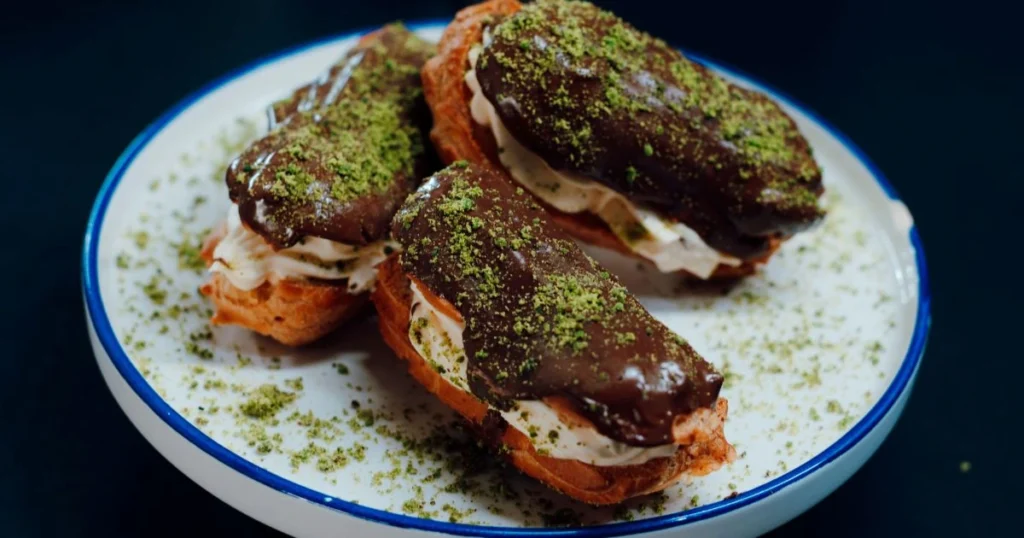
Table of Contents
Making a professional grade pastry at home often feels like a steep mountain to climb, but the reality is that mastering a chocolate eclair dessert recipe is more about chemistry and patience than inherent magic. There is a specific kind of satisfaction that comes from watching a simple slurry of flour, water, and butter puff up into a golden, hollow shell in your own oven. While the French eclair has a reputation for being temperamental, the process is actually a series of logical steps that any dedicated home baker can execute. By understanding the physics of steam and the emulsification of eggs, you can move past the dense or flat results that plague many first attempts and produce a dessert that rivals any high-end patisserie.
The honest take on this process is that it requires about two hours of active work and another hour of cooling time. It is not a project for someone in a rush, but for the baker who wants to understand the “why” behind their food, it is the ultimate reward. Whether you are looking for the crisp snap of a traditional choux shell or the creamy comfort of a chilled filling, this guide breaks down the mechanics of the perfect chocolate eclair dessert recipe to ensure your success on the very first try.
Makes sense if: You want a show-stopping dessert for a dinner party, you enjoy the technical side of baking, or you are looking to master fundamental french pastry techniques that apply to dozens of other recipes.
Skip it if: You need a dessert ready in under thirty minutes, you do not have an electric mixer, or you prefer a low-effort, no-bake style treat.
What Makes A Classic Chocolate Eclair Dessert Recipe Unique?
A true eclair is defined by its contrast. Unlike a cake that is uniform in crumb, an eclair is a structural marvel designed to hold a significant amount of weight in the form of custard while remaining light enough to eat with one hand. The hallmark of the original eclair cake recipe style, in its most traditional form, is the marriage of a crisp exterior and a cool, silky interior. It is an oblong pastry that must be hollow enough to be filled but sturdy enough not to collapse under the moisture of the cream. Many modern variations exist, but the classic version remains the gold standard for texture and flavor balance.
The History Of The French Eclair
The eclair emerged in France during the 19th century, likely evolving from the “duchesse” style pastries that were popular at the time. Many historians credit the legendary chef Marie-Antoine Careme with refining the recipe into the version we recognize today. The name “eclair” actually translates to “lightning,” which most culinary experts believe refers to how quickly the pastry is eaten or perhaps the shimmer of the glaze that catches the light like a flash. Since its inception, it has remained a cornerstone of French baking, representing the transition from heavy, rustic breads to refined, airy confections.
Understanding The Three Pillars Of Eclair Construction
A successful eclair relies on three distinct components working in harmony. First is the choux pastry, which provides the vessel. It must be dry and crisp to provide structural integrity. Second is the homemade pastry cream, or creme patissiere, which provides the richness and the weight. Finally, the chocolate glaze acts as the seal and the primary flavor note. If any one of these pillars is weak, the entire dessert fails. A shell that is too soft will become soggy within minutes, while a filling that is too thin will leak out, ruining the experience of the first bite.
How Do You Master The Perfect Pate A Choux?
Pate a choux is unique because it is cooked twice: once on the stovetop and once in the oven. This double-cooking method is the secret to the hollow center. Unlike breads that rely on yeast or cakes that rely on baking powder, choux pastry uses the high water content in the dough to create steam. As the water evaporates in the high heat of the oven, it pushes the dough outward, creating a large air pocket. The protein in the eggs then sets, locking that shape into place. It is a fascinating bit of food science that produces a light, airy result every time if the ratios are correct.
Selecting The Right Ingredients For Pastry Dough
For a reliable chocolate eclair dessert recipe, you cannot compromise on your ingredients. You should use a high-protein bread flour rather than a soft cake flour. The higher gluten content in bread flour provides the strength needed to hold the steam without the shell bursting or collapsing. Additionally, use large, fresh eggs at room temperature. Cold eggs can shock the warm dough and prevent it from emulsifying properly. Use unsalted butter so you can control the exact amount of seasoning, and always include a pinch of sugar to help with the browning process in the oven.
Step-By-Step Cooking And Mixing Techniques
Start by bringing your water, butter, salt, and sugar to a rolling boil. Once the butter is melted, dump all the flour in at once and stir vigorously with a wooden spoon. You are looking for the dough to form a ball and leave a thin film on the bottom of the pan, which usually takes about two minutes. This step is crucial because it gelatinizes the starches, allowing the dough to hold more liquid. Transfer the dough to a bowl and let it cool slightly before adding eggs one at a time. You have reached the “V-stage” when you lift your beater and the dough hangs down in a smooth, translucent V-shape. If it breaks off in chunks, it needs more egg. If it runs, you have added too much.
Common Mistakes To Avoid When Baking Shells
The most frequent error home bakers make is opening the oven door too early. If you let the steam escape before the egg proteins have set, your shells will deflate instantly and become flat pancakes. Another common pitfall is not baking the shells long enough. They should feel light for their size and sound hollow when tapped. If they feel heavy, there is still moisture inside that will turn the pastry soggy as it cools. To prevent this, many pros poke a small hole in the end of each shell immediately after they come out of the oven to let the internal steam escape. This ensures the eclair dessert recipe stays crisp as it reaches room temperature.
What Is The Secret To A Smooth Pastry Cream Filling?
The filling is where the luxury of the dessert lives. A traditional creme patissiere is essentially a thick, egg-based custard stabilized with starch. It should be rich enough to stand up on a spoon but smooth enough to melt on the tongue. Many people struggle with lumps or a “floury” taste, but these are easily avoided with the right technique. The goal is a velvety texture that complements the crunch of the choux without being overly sweet or heavy.
Infusing Flavor Into Your Custard Base
While vanilla extract is convenient, using a real vanilla bean or high-quality vanilla bean paste will elevate your chocolate eclair dessert recipe to a professional level. The tiny black seeds provide a visual cue of quality and a depth of flavor that synthetic extracts cannot match. You can infuse the milk by heating it with the vanilla bean and letting it steep for ten minutes before proceeding with the custard. This allows the oils from the bean to fully permeate the liquid, creating a much more aromatic and complex filling.
Achieving The Ideal Silky Texture
To ensure a lump-free cream, you must master the art of tempering. Slowly whisk about half of your hot milk into your egg yolk and sugar mixture. This raises the temperature of the eggs gradually so they do not scramble. Once combined, pour everything back into the pot and whisk constantly over medium heat. The moment the custard thickens and bubbles, cook it for exactly one more minute to neutralize the starch enzymes. Finally, pass the finished cream through a fine-mesh strainer into a clean bowl. This removes any tiny bits of cooked egg, ensuring a perfectly smooth homemade pastry cream.
How Does This Compare To An Original Eclair Cake Recipe?
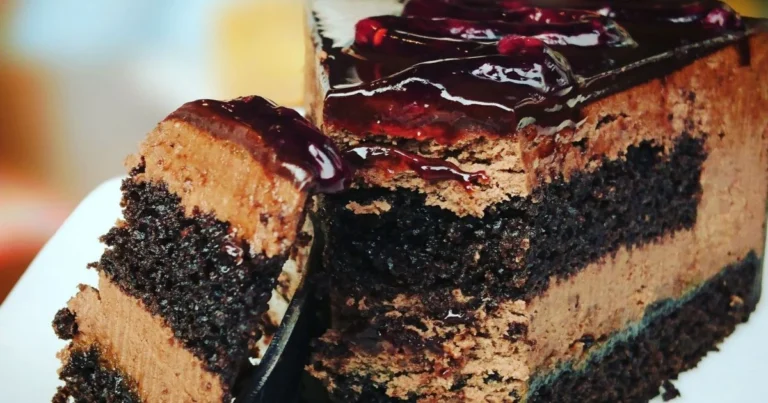
It is important to distinguish between the classic pastry and the popular American “eclair cake.” While they share a name and a flavor profile, they are entirely different desserts in terms of preparation and texture. The chocolate eclair cake recipe is an icebox cake, meaning it is assembled with pre-made components and chilled overnight to soften. It is an excellent choice for large gatherings or when you do not want to use an oven, but it lacks the sophisticated contrast of a true baked eclair.
Key Differences In Texture And Preparation
A chocolate eclair cake recipe typically uses graham crackers or club crackers layered with instant vanilla pudding and whipped topping. Over time, the crackers absorb moisture from the pudding and take on a cake-like consistency. In contrast, a traditional eclair uses choux pastry and cooked custard. The traditional version is crisp and airy, whereas the cake version is soft, dense, and creamy throughout. The cake version is often topped with a tub of chocolate frosting that has been melted, while the pastry version uses a rich ganache made from chocolate and heavy cream.
Choosing The Right Dessert For Your Occasion
If you are hosting a formal dinner or want to practice your french pastry techniques, the traditional eclair is the clear winner. It shows a high level of skill and offers a refined eating experience. However, if you are heading to a summer potluck or a casual family barbecue, the no-bake eclair dessert recipe is often more practical. It serves more people, can be made a day in advance, and is much more forgiving in warm weather. Knowing which one to choose depends entirely on your available time and the expectations of your guests.
Why Is The Chocolate Ganache Topping So Important?
The glaze is the first thing a person tastes when they bite into an eclair, making it the most critical flavor component. It also serves a functional purpose by acting as a moisture barrier, helping the shell stay crisp for a longer period. A dull, waxy glaze can ruin an otherwise perfect pastry, so focusing on the quality of your chocolate and the temperature of your ganache is vital for a professional finish.
Selecting High-Quality Couverture Chocolate
For the best results, avoid standard chocolate chips, which often contain stabilizers that prevent them from melting smoothly. Instead, look for couverture chocolate. This type of chocolate has a higher percentage of cocoa butter, which ensures a high-gloss finish and a “snap” when cooled. Whether you prefer dark or milk chocolate, ensure it has at least 32 percent cocoa butter. This will give your chocolate eclair dessert recipe a luxurious mouthfeel and a professional sheen that makes the pastry look like it came from a high-end bakery case.
The Dipping Technique For A Professional Look
To get a clean edge on your glaze, hold the filled eclair upside down and dip only the top third into the warm ganache. Gently shake it to let the excess drip off, then use your finger or a small spatula to wipe the edges clean. Flip it over quickly so the glaze settles smoothly across the top. If the ganache is too thick, add a teaspoon of corn syrup to increase the shine and improve the flow. If it is too thin, let it cool for a few minutes until it reaches a coating consistency. This technique prevents messy drips down the sides and keeps the presentation sharp.
How To Assemble And Store Your Homemade Eclairs?
Assembly is the final hurdle in the chocolate eclair dessert recipe. This is where the pastry finally comes together. You want to fill the shells as close to serving time as possible to maintain the crunch of the choux. If you fill them too early, the moisture from the cream will migrate into the pastry, making it soft and chewy rather than light and crisp.
Proper Filling Methods Using Piping Tips
There are two main ways to fill an eclair. The first is the bottom-hole method, where you use a small piping tip to poke two or three holes in the bottom of the shell and pipe the cream inside until it feels heavy. This creates a clean look but can be difficult for beginners to gauge. The second method is the sandwich-cut, where you slice the shell in half horizontally, pipe a generous ribbon of cream onto the bottom half, and then place the glazed top half back on. This is much easier and allows you to show off the texture of your homemade pastry cream.
Best Practices For Refrigeration And Service
Eclairs are best enjoyed within four hours of assembly. If you must store them, keep them in an airtight container in the refrigerator. To help maintain crispness, place a piece of paper towel in the container to absorb any excess humidity. If the shells have become slightly soft, you can sometimes crisp them up by placing them in a 300-degree oven for three minutes before filling, though this only works if they have not been glazed yet. For the best experience, serve them chilled but allow them to sit at room temperature for five minutes before eating to let the chocolate soften slightly.
Are There Creative Flavor Variations For Eclairs?
Once you have mastered the basic chocolate eclair dessert recipe, the possibilities are endless. The choux shell is a neutral canvas that can handle almost any flavor profile. Modern pastry shops often experiment with bold colors and unexpected fillings to put a contemporary spin on this classic treat.
Seasonal Fruit And Specialty Creams
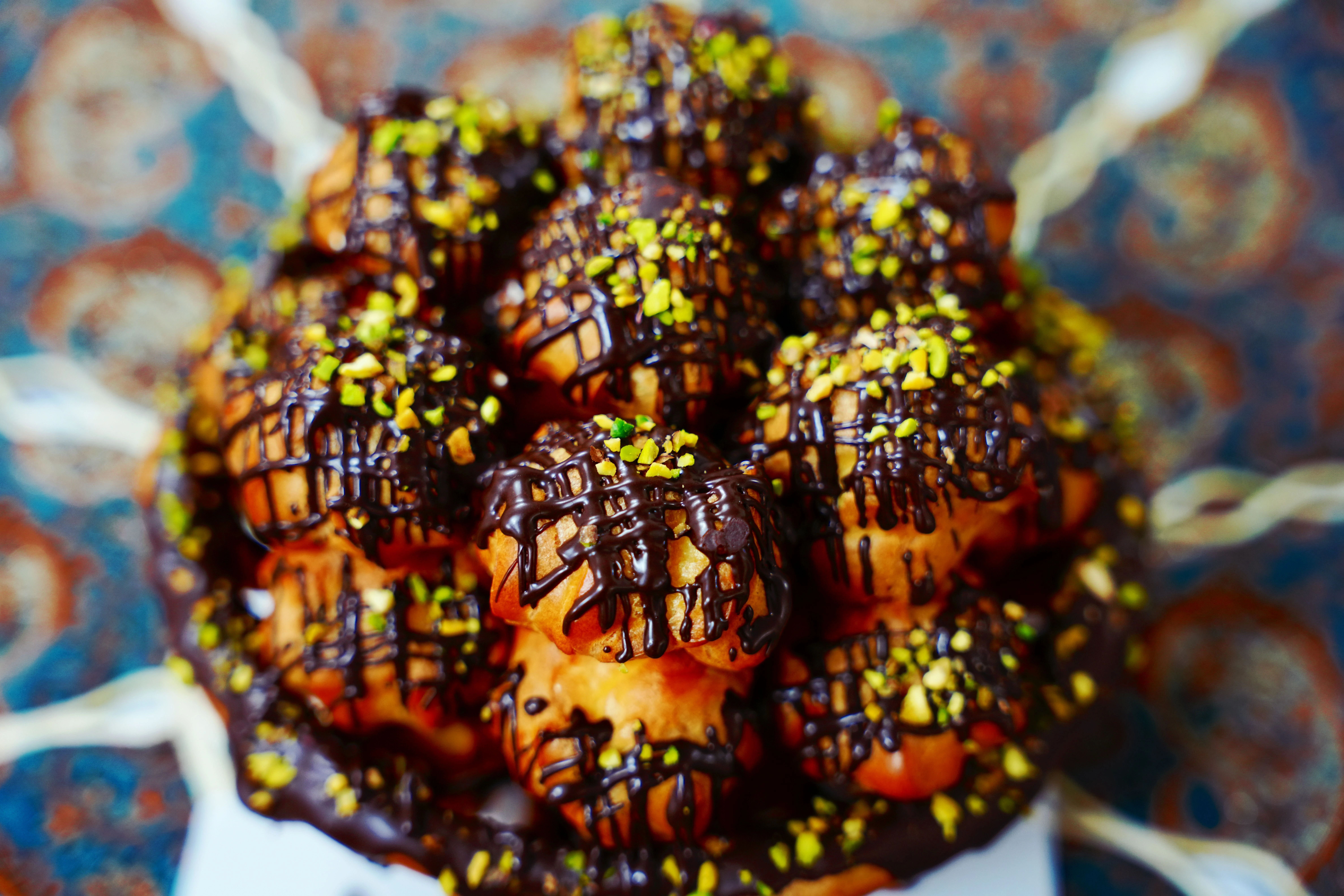
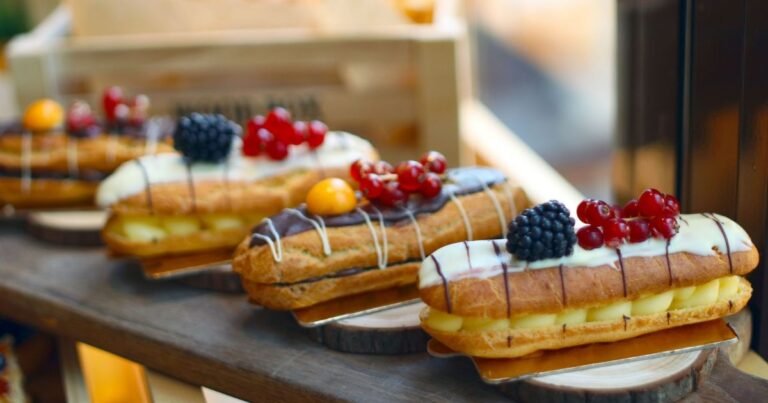
In the spring, try folding fresh raspberry puree into your pastry cream for a tart, vibrant filling. During the autumn, a maple or pumpkin spice cream can make the dessert feel cozy. Pistachio is another popular choice, offering a nutty depth and a beautiful green color that contrasts wonderfully with a dark chocolate glaze. You can also infuse your milk with coffee beans or Earl Grey tea to create a sophisticated, aromatic cream that appeals to adult palates.
Alternative Glazes Beyond Dark Chocolate
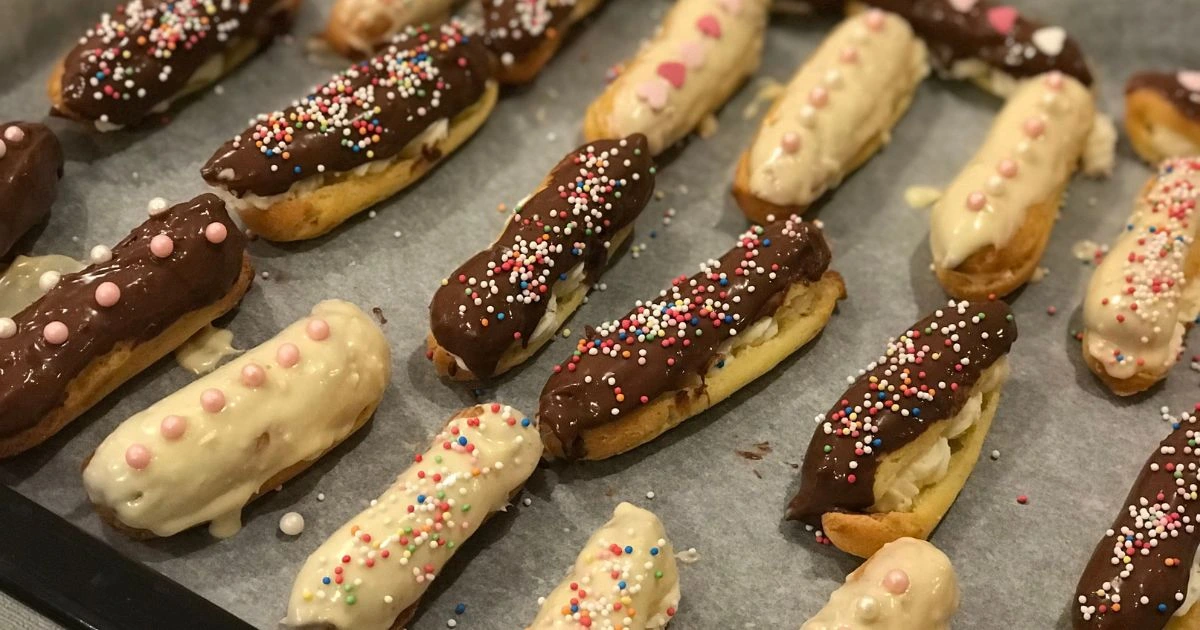
While dark chocolate is the traditional choice, white chocolate can be dyed with food coloring or flavored with citrus zest for a different look. Salted caramel is another fantastic option, providing a savory edge that cuts through the sweetness of the custard. For a fruit-forward approach, a simple powdered sugar glaze made with lemon juice or passion fruit puree can add a bright, acidic pop to the pastry. Do not be afraid to top your glazes with crushed nuts, dried flower petals, or a dusting of cocoa powder to add texture and visual interest.
Frequently Asked Questions
Why did my eclair shells collapse after I took them out of the oven?
Shells usually collapse because they were not baked long enough or the oven temperature was too low. The internal structure needs time to dry out and “set” the egg proteins. If the center is still wet, the steam will turn back into water and pull the walls of the pastry inward as it cools. Always ensure they are a deep golden brown and feel very light before removing them.
Can I make the choux pastry dough in advance?
Yes, you can make the dough and store it in an airtight container in the refrigerator for up to two days. When you are ready to bake, let the dough come back to room temperature so it is easy to pipe. Alternatively, you can pipe the raw shells onto a baking sheet and freeze them. You can bake them directly from the freezer, just add a few extra minutes to the total baking time.
How do I prevent my pastry cream from having a skin on top?
To prevent a skin from forming, press a piece of plastic wrap directly onto the surface of the hot custard immediately after you finish cooking it. This prevents air from reaching the surface, which is what causes the proteins to dry out and form a film. Keep the plastic in place until the cream is completely chilled and you are ready to use it.
What is the best way to pipe perfectly straight eclairs?
The secret is using a large star tip rather than a plain round tip. The ridges created by the star tip allow the dough to expand more evenly in the oven, which prevents the shells from cracking or curving. Hold your piping bag at a 45-degree angle and apply steady, even pressure, stopping the flow before lifting the bag away to avoid a large “tail” on the end of the pastry.
Can I use a microwave to melt the chocolate for the glaze?
You can use a microwave, but you must be very careful not to burn the chocolate. Heat it in 20-second bursts at 50 percent power, stirring thoroughly between each interval. However, a double boiler is generally safer because it provides a gentle, consistent heat that reduces the risk of the chocolate seizing or losing its shine.
Is it possible to make this recipe gluten-free?
Choux pastry can be made with a high-quality gluten-free all-purpose flour blend, but the results will be slightly different. Since gluten provides the structure, you may need to add a bit more egg or a small amount of xanthan gum to help the dough hold the steam. The shells might not rise quite as high, but they will still be delicious and functional for filling.
How long does homemade pastry cream last in the fridge?
Because it contains eggs and milk, homemade pastry cream should be used within three days. It does not freeze well, as the starch structure will break down when thawed, resulting in a watery, separated mess. Always keep it refrigerated at 40 degrees Fahrenheit or lower until the moment you are ready to assemble your eclairs.
Start Baking Your Signature Eclairs Today
Mastering the chocolate eclair dessert recipe is a milestone for any home baker. It represents a transition from simple mixing to true culinary technique. While the process has several steps, none of them are impossible if you pay attention to the details of temperature and texture. Once you pull that first tray of perfectly puffed shells from the oven, you will realize that professional-quality pastry is well within your reach. Start with the classic vanilla and chocolate combination to build your confidence, then begin experimenting with the endless variations of fillings and glazes. Your kitchen is now a patisserie, and the results are sure to impress anyone lucky enough to share in your baking journey.
The secret to a perfect eclair is simply the courage to keep the oven door closed and the patience to let the custard cool.
Every batch you bake will get better as you learn the nuances of your specific oven and the feel of the dough. Take your time, enjoy the process, and soon you will be the one sharing choux pastry tips with other aspiring bakers in your community.