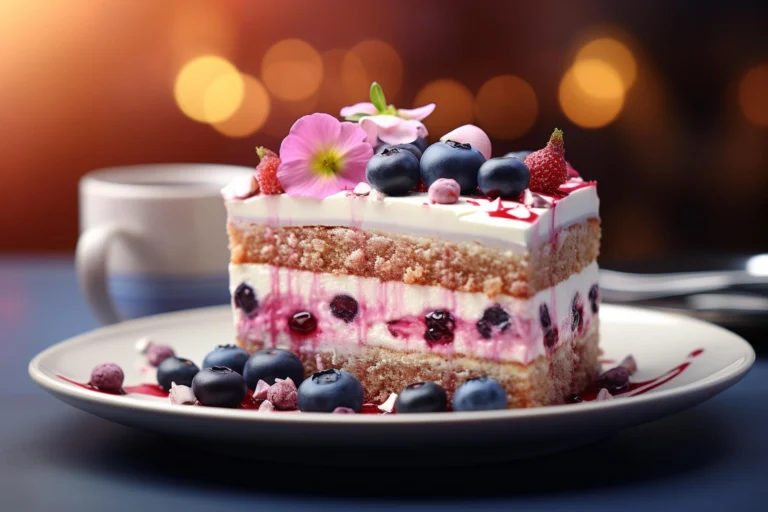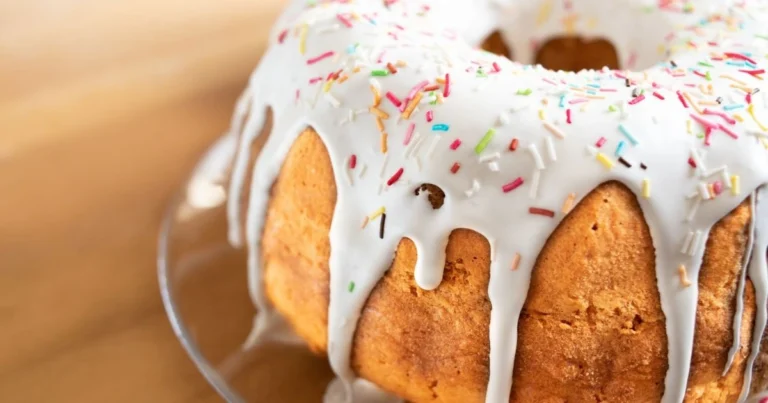
White Cake Mix Recipes: 5 Easy Variations From Scratch
Table of Contents
White Cake Mix Recipes & From-Scratch Alternatives
Your hand sinks into the batter. It’s warm, it’s soft, and for a second you wonder if you’ve just made the biggest mistake of your baking week. Then you remember: this is exactly what it’s supposed to feel like. Not dense. Not gritty. Just right.
The difference between a white cake that tastes like cardboard and one that tastes like actual butter, vanilla, and intention lives in that moment. It’s the moment you stop thinking of baking as following orders and start thinking of it as understanding what each ingredient is supposed to do. That’s where white cake mix recipes get interesting, because you get to choose: the speed of a box, or the depth of building it from scratch.
Most home bakers assume it’s an either-or choice. It isn’t. You can make a basic vanilla cake recipe from scratch in the same time it takes to drive to the store and back. You can also take a box mix and turn it into something that tastes nothing like a box. The real skill isn’t choosing one path. It’s knowing which one serves your moment.
Why Make White Cake From Scratch Instead Of Using A Box Mix?
Let’s be honest: box mixes exist for a reason. They’re consistent, they’re fast, and they work. But there’s a gap between “it works” and “it tastes like something you actually want to eat,” and that gap is where the magic happens.
Flavor And Quality Differences
white cake mix recipes tastes like a box mix because it’s built on stabilizers, emulsifiers, and shelf-stable ingredients that have been sitting in a warehouse for months. That’s not judgment. That’s just chemistry. The moment you add fresh eggs, real butter, and cold milk, something shifts. The crumb becomes finer. The vanilla note becomes actual vanilla, not vanilla-flavored air. The butter flavor isn’t competing with ten other chemicals.
When you bake from scratch, every ingredient you add has one job. Butter brings richness and structure. Eggs bring lift and moisture. Sugar brings sweetness and browning. Vanilla brings vanilla. There’s no ambiguity. There’s no ingredient trying to do three things at once.
The perception shift matters too. A homemade cake, even if it’s technically simpler than a box cake, reads as intentional. Your guests taste effort. They taste choice. That’s not pretension. That’s just how human taste works.
Cost And Ingredient Control
A box of white cake mix costs about two to three dollars. Flour, sugar, butter, eggs, milk, vanilla, and leavening agents cost roughly the same amount, but you control every variable. You can adjust sweetness if your family prefers less sugar. You can swap all-purpose flour for cake flour if you want a lighter crumb. You can use buttermilk instead of regular milk if you want tang. You can add almond extract, lemon zest, or cardamom without buying a specialty product.
The cost comparison gets even better if you bake regularly. You’re buying the base ingredients anyway. The marginal cost of one more cake is just eggs and milk. A box mix is cheaper only on the first cake. After that, scratch baking wins.
And ingredient control matters for actual reasons. If someone in your house needs dairy-free, you swap milk. If you’re trying to reduce refined sugar, you can experiment with ratios. If you want to avoid certain additives, you simply don’t add them. A box mix locks you into the formulation printed on the side.
How Do You Make A Basic Vanilla Cake Recipe From Scratch?
Here’s the thing about baking: it looks mysterious until you understand that it’s mostly about ratios and temperature. Once you know the ratio of flour to fat to sugar to eggs, you can make a cake. The rest is just showing up.
Essential Ingredients For Scratch White Cake
Start with two cups of all-purpose flour. This is your structure. Flour provides gluten, which traps air and moisture. All-purpose works fine, but if you want a lighter, more tender crumb, use cake flour instead. The difference is minimal but real.
One and a half cups of white sugar comes next. Sugar does three things: it sweetens, it helps the cake brown, and it holds moisture. That’s why cakes made with less sugar tend to dry out faster. You need the sugar for more than taste.
One stick of softened butter is your fat. Softened, not melted. Softened butter creams with sugar, trapping tiny air bubbles that become the cake’s structure. This is non-negotiable. Cold butter won’t cream. Melted butter changes the texture entirely.
Four large eggs are your binder and your lift. Eggs have protein that sets the cake, and they have air that rises. Room temperature eggs blend more smoothly into the batter. Cold eggs from the fridge will work, but they take longer to incorporate.
One tablespoon of vanilla extract is your flavor anchor. Use real vanilla, not imitation. The difference is immediate and obvious. Imitation vanilla tastes like plastic. Real vanilla tastes like vanilla.
Two teaspoons of baking powder and half a teaspoon of baking soda are your leavening agents. Baking powder does most of the heavy lifting. Baking soda is there to neutralize the acidity in buttermilk and eggs. Together, they create the rise.
Half a teaspoon of salt is your amplifier. Salt doesn’t make things salty. It makes other flavors sharper. It’s essential.
One cup of buttermilk (or regular milk mixed with a tablespoon of lemon juice or vinegar) is your moisture. Buttermilk is slightly acidic, which reacts with baking soda and creates a tender crumb. Regular milk works, but buttermilk is better. If you don’t have buttermilk, make it: one cup milk plus one tablespoon of lemon juice or white vinegar. Let it sit for five minutes.
Step-By-Step Mixing And Baking Instructions
Preheat your oven to 350 degrees Fahrenheit. This takes about fifteen minutes. Don’t skip this. A cold oven means uneven baking.
Prepare two eight-inch round cake pans. Grease them with butter or cooking spray, then line the bottoms with parchment paper. Grease the parchment too. This ensures your cake comes out cleanly.
In a large bowl, cream together the softened butter and sugar. Use an electric mixer if you have one. Cream for about three minutes, until the mixture is light, fluffy, and pale. This step is where the air gets trapped. Don’t rush it. You should see the mixture almost double in volume.
Add the eggs one at a time, beating well after each addition. This takes about one minute per egg. The batter should look smooth and creamy, not lumpy or separated.
Add the vanilla extract and beat for another thirty seconds.
In a separate bowl, whisk together the flour, baking powder, baking soda, and salt. This distributes the leavening agents evenly so you don’t get pockets of too much or too little rise.
Now comes the critical part: alternate adding the dry ingredients and the buttermilk to the butter mixture. Start with the dry ingredients. Add about one-third of the flour mixture, beat on low speed for about thirty seconds until just combined. Then add about half of the buttermilk, beat for thirty seconds. Then another third of the flour, then the rest of the buttermilk, then the last of the flour. End with the flour. This method prevents overmixing, which creates a tough, dense cake.
Divide the batter evenly between the two prepared pans. Use an offset spatula to smooth the tops.
Bake for twenty-five to thirty minutes, until a toothpick inserted in the center comes out clean or with just a few moist crumbs. The cake should be golden on top and spring back when you press it gently. Don’t open the oven door before twenty-five minutes. The temperature drop can cause the cake to sink.
Remove from the oven and let the cakes cool in the pans for ten minutes. Then turn them out onto wire racks to cool completely. This takes about an hour. Never frost a warm cake. The frosting will melt and slide off.
Common Mistakes To Avoid
Overmixing is the number one killer of homemade cake. Once you’ve combined the dry ingredients with the wet ingredients, stop. The batter should look slightly lumpy. Mixing more than this develops the gluten, which makes the cake tough and dense. If you’re using a stand mixer, switch to the paddle attachment for the mixing stage and use low speed.
Room temperature ingredients matter more than people think. Cold eggs and cold butter don’t incorporate smoothly. They create lumps and pockets of unmixed batter. Take your eggs and butter out of the fridge thirty minutes before you start. If you forget, put the eggs in warm water for five minutes.
Opening the oven door before the cake is set causes it to sink in the middle. The temperature drop interrupts the rise. Wait at least twenty-five minutes before peeking.
Overbaking creates a dry cake. Bake for the minimum time first. If a toothpick comes out clean, it’s done. If it comes out with wet batter, give it another minute or two. But err on the side of slightly underbaked. The residual heat will continue cooking the cake after you remove it from the oven.
If your cake comes out dry anyway, the problem is usually too much flour. This happens when you scoop flour directly from the bag without fluffing it first. Always fluff the flour with a fork, then spoon it into a measuring cup and level it off. Or better yet, use a kitchen scale. Two cups of flour should weigh about two hundred forty grams.
What Are The Top 5 White Cake Mix Variations You Can Make?
Once you have the base recipe locked in, the variations are infinite. Here are five that work beautifully and require only simple ingredient swaps.
Lemon White Cake With Bright Citrus Flavor
This is the easiest variation because you’re just adding brightness to the base. If you’re using the from-scratch recipe, add the zest of two lemons to the butter and sugar when you’re creaming them. This releases the lemon oils into the batter. Then replace two tablespoons of the buttermilk with fresh lemon juice. Add half a teaspoon of lemon extract if you have it, though it’s not required.
If you’re starting with a box mix, follow the box instructions but replace the water with fresh lemon juice and add the zest of one lemon to the dry mix before adding wet ingredients. You can also add a quarter teaspoon of lemon extract.
Lemon works with white cake because citrus cuts through sweetness. The cake becomes brighter, more refreshing, less cloying. This variation pairs beautifully with a light cream cheese frosting or a simple lemon buttercream.
One warning: don’t use bottled lemon juice if you can help it. Fresh lemon juice tastes like lemon. Bottled juice tastes like chemicals that have a lemon memory. If you must use bottled, use half the amount and taste the batter before baking.
Almond White Cake With Subtle Nutty Notes
Replace one teaspoon of vanilla extract with one teaspoon of almond extract. That’s it. One swap. Almond extract is intense, so you don’t need much. If you add more than a teaspoon, the cake tastes like marzipan, which is fine if that’s what you want, but it’s not subtle anymore.
For a more pronounced almond flavor, also add half a cup of finely ground almonds or almond flour to the dry ingredients. Reduce the all-purpose flour by half a cup to keep the ratio the same. This adds texture and makes the almond flavor visible.
Some bakers toast sliced almonds and fold them into the batter just before pouring into the pans. Use about three-quarters of a cup. This creates pockets of crunch throughout the cake.
Almond white cake pairs well with a simple buttercream, a cream cheese frosting, or a light glaze made from powdered sugar and almond milk. The nutty flavor is delicate, so don’t pair it with aggressive frostings or fillings.
Coconut White Cake For Tropical Sweetness
Replace half of the buttermilk with full-fat coconut milk. Keep the other half as buttermilk or regular milk. This gives you coconut flavor without making the cake too dense or heavy.
Add one cup of unsweetened shredded coconut to the dry ingredients. If you’re using sweetened coconut, reduce the sugar in the cake by a quarter cup. Unsweetened is better because it gives you flavor without adding extra sugar.
Some bakers toast the coconut before adding it to the batter. Spread it on a sheet pan and toast at 325 degrees for five to seven minutes, stirring occasionally, until it smells like toasted coconut. This deepens the flavor significantly.
For topping, sprinkle additional toasted coconut on top of the frosting. This adds texture and makes the tropical angle clear. Coconut cake pairs beautifully with a cream cheese frosting or a simple coconut buttercream made by replacing a tablespoon of milk in the frosting with coconut milk.
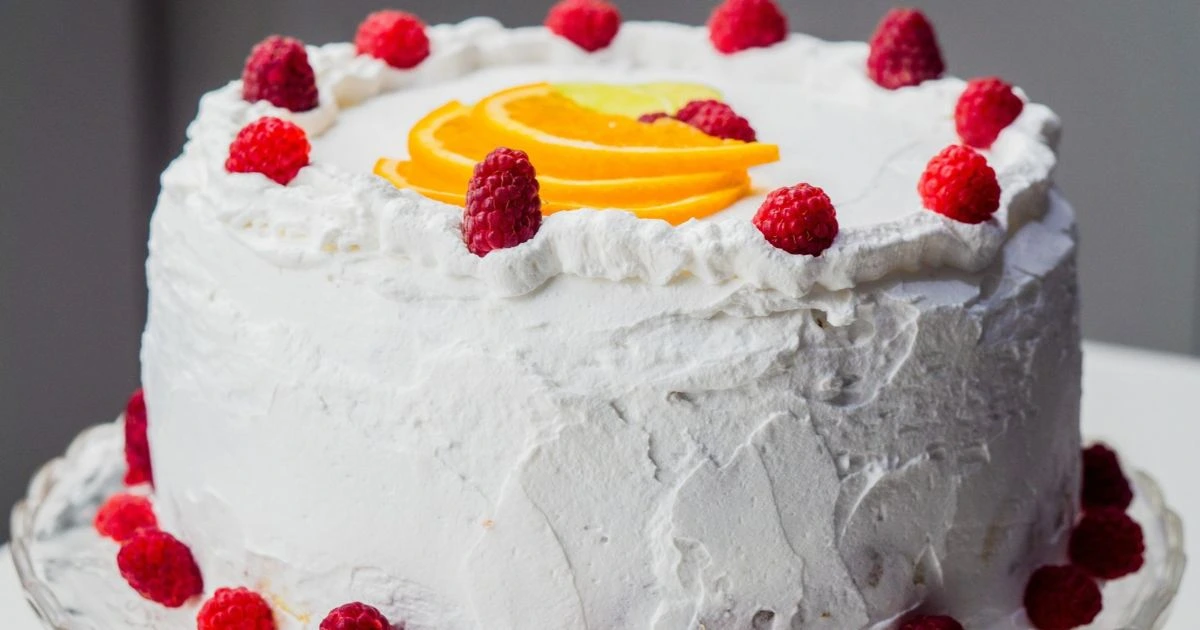
Raspberry White Cake With Fresh Or Frozen Berries
Fold one cup of fresh raspberries or frozen raspberries (thawed and drained) into the batter just before pouring into the pans. Be gentle when folding. You want whole berries, not berry paste. If the berries are very wet, pat them dry with a paper towel first. Excess moisture can make the cake soggy.
Here’s the trick: toss the berries in a tablespoon of flour before folding them in. This helps them stay suspended in the batter instead of sinking to the bottom.
If you want a more pronounced raspberry flavor, add half a teaspoon of raspberry extract to the wet ingredients. This is optional but worth it if you can find it.
For assembly, you can layer the cake with raspberry jam between the two rounds. Spread a thin layer of jam on top of one layer, then stack the second layer on top. The jam and the berries in the cake create a cohesive flavor profile.
Raspberry white cake pairs well with a cream cheese frosting or a light buttercream. The tartness of the raspberries balances the sweetness of the frosting.
Champagne White Cake For Special Occasions
Replace one cup of the buttermilk with one cup of champagne or prosecco. Yes, actual champagne. The alcohol cooks off, leaving only the flavor and the bubbles. The bubbles create a slightly lighter, airier crumb.
Add the zest of half a lemon to the butter and sugar when creaming. This adds brightness without making the cake taste like lemonade. It’s optional but recommended.
This variation requires almost no extra work, but it reads as elegant and special. The flavor is subtle. You won’t taste “champagne” explicitly. You’ll taste a slightly brighter, slightly more complex white cake. That’s the point.
For the frosting, you can make a champagne buttercream by replacing one tablespoon of milk in the frosting with champagne. Or stick with a classic buttercream and let the cake speak for itself.
This variation is perfect for weddings, anniversaries, or any moment that needs a touch of celebration without being obvious about it.
Can You Elevate A White Cake Mix With Simple Additions?
If you’re committed to using a box mix but want it to taste better, there are legitimate moves. The goal is to mask the “box mix” flavor and add depth without making the recipe complicated.
Upgrading Flavor With Extracts And Spices
The single best upgrade is replacing the water on the box with milk or buttermilk. This immediately improves the crumb and the flavor. Milk has fat and protein that water doesn’t have. The cake becomes richer and more tender.
Next, add one extra egg to the recipe. Most box mixes call for three eggs. Add a fourth. This creates a richer, more tender crumb and adds moisture.
Then add one extra teaspoon of vanilla extract beyond what the recipe calls for. Most box mixes already include vanilla, but adding real vanilla on top of the box vanilla deepens the flavor. The box vanilla is imitation and fades. Real vanilla lingers.
You can also add a quarter teaspoon of almond extract, a quarter teaspoon of cardamom, or a pinch of nutmeg. These spices add complexity without making the cake taste spiced. Use them sparingly. A quarter teaspoon is enough. More than this and you’re flavoring the cake toward something other than vanilla.
Finally, add one ounce of melted white chocolate to the wet ingredients. This adds richness and depth without making the cake taste like chocolate. It just makes it taste more luxurious.
These additions take thirty seconds and cost almost nothing. They transform a box mix into something that tastes intentional.
Substituting Liquid Ingredients For Moisture
The liquid you use matters more than people realize. Water is neutral. Milk adds richness. Buttermilk adds tang and tenderness. Coconut milk adds tropical flavor. Each one changes the cake subtly.
If the box calls for water, use whole milk or buttermilk instead. Use the same amount. This is the biggest flavor upgrade you can make with zero extra effort.
If you want a hint of citrus, replace one-quarter of the liquid with fresh orange juice or lemon juice. Replace the other three-quarters with milk. This adds brightness without overwhelming the vanilla.
If you want a hint of coconut, replace one-quarter of the liquid with coconut milk and three-quarters with regular milk. This is subtle and works well with the vanilla base.
The key is: don’t go all-in on any one liquid unless you’re specifically making a flavored variation. A half-and-half approach gives you the benefits of the liquid without making the cake taste like something it’s not.
What Frosting Pairs Best With White Cake Recipes?
The frosting is half the cake. Literally. If you split a slice in half, frosting and cake are equal parts. Getting the frosting right matters as much as getting the cake right.
Classic American Buttercream
This is the workhorse frosting. One stick of softened butter, three cups of powdered sugar, one to two tablespoons of milk, and one teaspoon of vanilla extract. Beat the butter until it’s creamy, then add the powdered sugar gradually while beating. Add milk one tablespoon at a time until you reach the right consistency. You want something that spreads smoothly but holds its shape.
American buttercream is stable, versatile, and neutral enough to pair with any white cake variation. You can color it, flavor it, or leave it plain. It doesn’t require refrigeration, though it’s better if you do. It holds up well in warm weather.
The ratio is roughly one part butter to three parts powdered sugar. If you need more frosting, scale up proportionally. If your frosting is too soft, add more powdered sugar. If it’s too stiff, add milk one teaspoon at a time.
Cream Cheese Frosting For Tangy Contrast
Eight ounces of cream cheese (softened), one stick of softened butter, three cups of powdered sugar, one teaspoon of vanilla extract, and a pinch of salt. Beat the cream cheese and butter together until smooth, then add the powdered sugar gradually. The salt is important. It cuts the sweetness and balances the tang of the cream cheese.
Cream cheese frosting pairs beautifully with lemon and raspberry variations. The tang of the frosting plays off the bright or tart flavors of the cake. It’s less neutral than American buttercream, so think about pairing before you make it.
Cream cheese frosting requires refrigeration. Make it no more than a few hours before you frost the cake, and store the frosted cake in the fridge. It can separate or become grainy if it sits at room temperature too long.
How Do You Store And Freeze White Cake From Scratch?
A cake is only as good as its shelf life. You need to know how to keep it fresh.
Short-Term Storage And Shelf Life
An unfrosted white cake, stored in an airtight container at room temperature, stays fresh for two to three days. The crumb stays tender and moist. After three days, it starts to dry out.
A frosted cake lasts longer because the frosting acts as a moisture barrier. American buttercream frosted cake lasts four to five days at room temperature. Cream cheese frosted cake should be refrigerated and lasts three to four days in the fridge.
Always store cake in an airtight container. Plastic cake carriers work well. Plastic wrap works if you’re careful not to let it touch the frosting. Uncovered cake dries out in hours.
If you need to refrigerate, do it. Cold temperatures slow down moisture loss. Just pull the cake out thirty minutes before serving so it comes back to room temperature. Cold cake tastes muted and dense. Room temperature cake tastes better.
Freezing Cake Layers For Later Use
Unfrosted cake layers freeze beautifully. Wrap each layer tightly in plastic wrap, then wrap again in aluminum foil. Label it with the date. Frozen cake layers last up to three months.
Thaw frozen cake layers at room temperature for one to two hours. They should come back to room temperature completely before you frost them. A cold cake is harder to frost and doesn’t taste as good.
You can also freeze frosted cakes, though the frosting texture changes slightly. American buttercream freezes better than cream cheese frosting. Wrap the frosted cake in plastic wrap, then foil. Thaw at room temperature for three to four hours.
The best practice: bake and cool the layers, freeze them unfrosted, then frost them the day you’re going to serve the cake. This gives you the freshest frosting and the most tender cake.
White Cake Recipes From Scratch Vs. Box Mix: Which Is Right For You?
Here’s the honest truth: there’s no wrong answer. It depends on your moment.
Use a box mix if you’re baking for a crowd and need speed. Use a box mix if you’re teaching a kid to bake and want a reliable result. Use a box mix if you’re stressed and baking is not the point. The box mix is not a failure. It’s a tool.
Use a from-scratch recipe if you have an hour and want to feel like you made something real. Use it if you’re baking for someone you love and you want them to taste the care. Use it if you want to control the ingredients or the flavors. Use it if you want to understand how baking works.
The best bakers do both. They use box mixes for Tuesday. They bake from scratch for Sunday. They understand that speed and quality are not enemies. They’re just different tools for different moments.
If you’re reading this and thinking “I’ll never remember all of this,” start with the box mix and the five simple upgrades. Add milk instead of water. Add an extra egg. Add real vanilla. You’ll be shocked at how much better it tastes. Then, when you’re ready, try the from-scratch recipe. You’ll find it’s not harder. It’s just different. And once you’ve made it once, you can make it again without thinking.
Bring The Whisk Down
That’s the moment. Not when the cake comes out of the oven. Not when you frost it. Not when someone takes a bite. The moment is when you stop mixing and you step back. When you realize the batter is right. When you trust that you know what you’re doing.
That’s the moment that separates a white cake recipe from a white cake. It’s the moment you stop following orders and start understanding. It’s the moment you realize that baking isn’t mysterious. It’s just butter and eggs and sugar and time. And intention.
You can do this. You can make a white cake that tastes like something real. You can make it from a box or from scratch. You can add lemon or almond or coconut or raspberries or champagne. You can frost it with buttercream or cream cheese or something you invent yourself. The only requirement is that you show up and pay attention.
The rest is just cake.
Frequently Asked Questions
Can You Make White Cake From A Box Mix Taste Homemade?
Yes. Replace the water with milk or buttermilk, add an extra egg, add real vanilla extract, and use softened butter instead of oil if the recipe allows. These four changes transform a box mix into something that tastes intentional and fresh. The milk adds richness, the extra egg adds moisture and tenderness, and the vanilla adds depth. Most people won’t taste the difference between this upgraded box mix and a from-scratch cake.
What’s The Difference Between Cake Flour And All-Purpose Flour In White Cake?
Cake flour has less protein than all-purpose flour, which means it develops less gluten. This creates a softer, more tender crumb. All-purpose flour creates a slightly sturdier cake that’s better for stacking or decorating. For a delicate, tender white cake, use cake flour. For a cake that needs to hold up to frosting and decoration, use all-purpose flour. You can also blend them: use one and a half cups all-purpose and half a cup cake flour.
Why Does My White Cake Come Out Dry?
The most common cause is overbaking. Bake for the minimum time and check with a toothpick. If it comes out clean, it’s done. Don’t bake longer just because you’re nervous. The second cause is too much flour. Always fluff the flour before measuring, or use a kitchen scale. The third cause is not enough fat or liquid. Make sure you’re using the full amount of butter and milk in the recipe. If your cake is still dry, try adding an extra tablespoon of milk to the batter.
Can You Use Oil Instead Of Butter In White Cake?
You can, but it changes the cake. Oil creates a moister, more tender crumb, but it doesn’t add the same richness or flavor that butter does. The cake will taste less buttery. If you must use oil, use a neutral oil like vegetable or canola oil and replace the butter one-to-one. Use three-quarters cup oil instead of one stick (which is half a cup) of butter to account for the difference in density. The cake will work, but it won’t taste the same.
How Far In Advance Can You Bake A White Cake?
You can bake unfrosted cake layers up to three days ahead and store them in an airtight container at room temperature. You can freeze them for up to three months. You can frost the cake up to two days ahead if you’re using American buttercream (which is stable at room temperature), or one day ahead if you’re using cream cheese frosting (which needs refrigeration). The fresher the frosting, the better it tastes, so frost as close to serving time as you can.
What’s The Best Way To Level A Cake Layer For Even Stacking?
Use a long serrated knife or a cake leveler. A cake leveler is a tool with a wire that cuts horizontally through the cake. If you’re using a knife, place one hand flat on top of the cake and use a gentle sawing motion, keeping the knife parallel to the counter. Go slowly. You’re looking for a thin slice off the top, not cutting the cake in half. If the cake is very domed, you might need to remove a quarter inch or more. If it’s flat, you might only need to remove an eighth inch. Uneven layers make for wobbly stacks.
Can You Double A White Cake Recipe?
Yes. Double all the ingredients and use four eight-inch pans instead of two, or two nine-inch pans. Baking time might increase slightly because the batter is deeper. Check for doneness starting at twenty-five minutes and add time as needed. You can also bake the doubled recipe in a sheet pan, which will be thinner and bake faster. A doubled recipe is perfect if you’re baking for a crowd or want to freeze extra layers for later.
What Should You Do If Your Cake Sinks In The Middle?
The most common cause is opening the oven door too early. The temperature drop interrupts the rise and causes the center to collapse. Don’t open the oven before twenty-five minutes. The second cause is underbaking. If the center is wet, the cake needs more time. The third cause is too much leavening agent. If you added extra baking powder or baking soda, the cake rises too fast and then falls. Measure carefully. If the cake is already baked and sunken, the damage is done, but you can hide it with frosting or use the cake for crumble or cake pops.