Easy Lemon Cake Recipe: Simple Step-by-Step Guide in 30 Minutes
Table of Contents
The biggest mistake home bakers make with lemon cake is treating it like a delicate pastry when it’s actually the opposite: it thrives on boldness. Most people timid out on the citrus, dial down the zest, skip the fresh juice, and end up with something that tastes vaguely yellow instead of unmistakably lemon. Then they wonder why the store-bought version tastes better.
An easy lemon cake recipe doesn’t require fancy equipment, rare ingredients, or hours of fussing. What it requires is understanding exactly where the flavor lives and how to coax moisture into every crumb without overcomplicating the method. That’s what separates a cake that tastes like a lemon and a cake that tastes like you bought it from someone who actually knows what they’re doing.
This isn’t a comprehensive guide to lemon cakes in general. This is the specific recipe and technique that works every time, with explanations for why each step matters. You’ll have cake ready in thirty minutes from start to slice, and it’ll be the moist, bright, sharply flavored kind that makes people ask for the recipe.
Why This Lemon Cake Recipe Stands Out
Walk into any recipe site and you’ll find dozens of easy lemon cake recipe formulas. Most of them are variations on the same theme: butter, sugar, eggs, flour, baking powder, milk, and lemon. The differences are usually cosmetic. What makes this one different is the intentional structure that ensures moisture and flavor simultaneously.
The typical home baker’s lemon cake comes out either dense and gummy or dry and crumbly. It’s almost never both moist and light. That’s because most recipes don’t account for the fact that lemon juice is acidic, and acid changes how flour hydrates and how crumb structure sets. They also don’t explain why using both zest and juice matters, or how much of each to use without tipping the cake into bitter territory.
This recipe uses yogurt as the primary liquid instead of milk. Yogurt adds fat and acid in a way that milk cannot, which creates a genuinely tender crumb. The acid in both the yogurt and the fresh lemon juice tenderizes the gluten network without overdoing it. The zest goes into the dry ingredients first, which blooms the oils and distributes them evenly. The juice goes into the batter at the end, so it doesn’t pre-acidify the baking powder and kill the rise.
The result is a cake that’s moist enough to eat plain, flavorful enough that a simple glaze feels like luxury, and simple enough that you can make it with one bowl and a whisk if you want to.
Simple Ingredients You Likely Have At Home
There’s no unusual ingredient on this list. You’re not hunting for buttermilk powder or cake flour or specialty extracts. Everything here lives in a standard kitchen, and if something’s missing, the substitution is straightforward.
Butter, sugar, eggs, flour, baking powder, salt, yogurt, fresh lemons. That’s the core. The technique is designed to work with what you have, not to demand what you don’t. If you bake at all, you probably have six of those eight things right now.
How To Achieve A Moist Crumb Every Time
Moisture in cake comes from three places: fat, sugar, and liquid. Most recipes lean on butter and milk. This one adds yogurt, which is denser and richer. The acid from both the yogurt and the lemon juice keeps the crumb tender by preventing excessive gluten development. The sugar dissolves into the wet ingredients, which means it’s already dissolved when it hits the flour, so you don’t need to overmix.
The actual mixing method matters too. You’re creaming butter and sugar, which incorporates air. But you’re not creaming for five minutes like a traditional easy lemon cake recipe. Two minutes is enough. Then you add eggs one at a time, which stabilizes that air. Then you alternate dry and wet ingredients, which means the flour never gets worked hard enough to toughen.
Overbaking is the real killer of moisture. A lemon cake continues to cook for two minutes after you pull it out of the oven. If you bake until a toothpick comes out completely clean, you’ve overbaked. The toothpick should have a few moist crumbs on it. That’s the signal.
What Ingredients Do You Need For This Recipe?
Here’s the complete ingredient list. Quantities are for a standard 9-inch round cake or 8-inch square pan, which yields about 10 servings.
For the cake: 2 and 1/4 cups all-purpose flour, 3/4 teaspoon baking powder, 1/2 teaspoon salt, 1/2 cup unsalted butter at room temperature, 1 and 1/4 cups white sugar, 2 large eggs, 1 tablespoon fresh lemon zest, 1/2 cup plain yogurt, 1/4 cup fresh lemon juice.
For a simple glaze (optional): 1 cup powdered sugar, 2 tablespoons fresh lemon juice, 1 tablespoon water.
That’s it. No vanilla extract, no almond extract, no fancy additions unless you want them. The lemon is the star.
The Citrus Component: Fresh Lemon Juice And Zest
Here’s where most recipes fail. They use bottled lemon juice and skip the zest entirely, or they use zest but measure it carelessly. Both decisions are wrong.
The zest is the colored outer layer of the lemon peel. It contains the oils that carry the bright, sharp lemon flavor. The juice is the liquid inside, and it contains both the acid and some flavor, but less of the volatile compounds that make lemon taste alive. You need both. The zest provides the aromatic punch. The juice provides the moisture and the acid that tenderizes the crumb.
Fresh lemon juice matters because bottled juice has been treated with preservatives and heat, which flattens the flavor. You can taste the difference immediately. Buy lemons that feel heavy for their size, which means they’re juicier. Room-temperature lemons yield more juice than cold ones. One medium lemon gives you roughly one tablespoon of zest and three tablespoons of juice, so plan accordingly.
How much zest is too much? The answer is about one tablespoon for this recipe. More than that and the cake tastes like you’re eating lemon peel, which is not the goal. The zest should enhance the flavor, not dominate it. The juice should be balanced so the cake tastes bright but not aggressively sour. If you’re nervous about the ratio, start with one tablespoon of zest and three tablespoons of juice, which is conservative. You can always add more zest to the next batch.
Pantry Staples That Make Baking Easier
All-purpose flour works here. You don’t need cake flour, which is lower in protein and produces a more delicate crumb. This recipe is built around all-purpose flour’s structure. If you only have cake flour, use it, but you might need to reduce the flour slightly because cake flour is more finely milled and packs denser.
Baking powder is the leavening agent. Check the date on your box. Baking powder loses potency over time, and old baking powder is a common reason cakes don’t rise properly. If your baking powder is older than six months, buy a fresh box.
Butter should be unsalted so you control the salt content. Room temperature means it’s soft enough to cream with sugar but still holds structure. If your kitchen is cold, cut the butter into chunks and let it sit for twenty minutes. If it’s hot, briefly chill the butter in the freezer.
Eggs should also be room temperature because they incorporate into the batter more smoothly. Cold eggs can cause the batter to break or become grainy. If you forgot to pull them out, set them in a bowl of warm water for five minutes.
Yogurt is the secret weapon. Plain, full-fat yogurt works best. Greek yogurt is too thick and will make the cake dense. Non-fat yogurt works but produces a slightly less moist crumb. If you only have Greek yogurt, thin it with a tablespoon of milk. If you don’t have yogurt at all, substitute with the same amount of sour cream or buttermilk.
How Do You Make An Easy Lemon Cake From Scratch?
Here’s the method in detail, with timing. Start to finish, this takes about thirty minutes, plus baking time.
Prep time: 5 minutes. Mix time: 10 minutes. Bake time: 35 to 45 minutes. Total: about one hour from start to cool enough to frost.
Mix Your Dry And Wet Ingredients Separately
Preheat your oven to 350 degrees Fahrenheit. Grease your pan with butter or cooking spray, or line it with parchment paper. If you’re using a metal pan, grease it. If you’re using glass, reduce the oven temperature by 25 degrees because glass conducts heat more aggressively than metal.
In a small bowl, whisk together the flour, baking powder, salt, and lemon zest. The zest will cling to the flour particles, which distributes it evenly throughout the cake. This is why you don’t add zest to the wet ingredients. Set this bowl aside.
In a larger bowl, beat the softened butter and sugar together for two minutes on medium speed with an electric mixer, or for about three minutes by hand with a whisk. The mixture should look pale and fluffy, almost like wet sand. This is creaming, and it incorporates air into the batter, which helps the cake rise.
Add the eggs one at a time, beating for about thirty seconds between each egg. The batter might look slightly curdled after the first egg. That’s normal. By the third egg, it should look smooth and creamy again. If it doesn’t, the eggs were too cold or the butter was too warm. It’ll still bake fine, but the texture might be slightly less tender.
Combine And Pour Into Your Prepared Pan
Now alternate the dry and wet ingredients. Add one third of the flour mixture and stir until almost combined. Then add half of the yogurt and stir until almost combined. Then another third of the flour, then the remaining yogurt, then the final third of the flour. Stir until the dry ingredients are just incorporated. This takes maybe a minute.
The batter should look thick but pourable, with no visible streaks of flour. Don’t overmix. Overmixing develops the gluten in the flour, which makes the cake tough. You want a tender crumb, not a chewy one. If you have a few small lumps, leave them. They’ll dissolve during baking.
Add the fresh lemon juice and stir for about ten seconds. The batter will look slightly thinner and brighter. Pour it into your prepared pan and smooth the top with a spatula. The batter should come about two-thirds of the way up the sides of the pan, which gives it room to rise without overflowing.
What’s The Ideal Baking Time And Temperature?
Temperature and time are where precision actually matters in baking, because chemistry is happening inside that oven, and temperature controls the rate of that chemistry.
Oven Temperature And Why It Matters
Three hundred fifty degrees Fahrenheit is the standard. It’s hot enough to set the structure of the cake quickly, which traps the moisture and creates a tender crumb. It’s not so hot that the outside burns before the inside cooks.
Every oven is different. Some run hot, some run cold. If you bake regularly, invest in an oven thermometer. They cost eight dollars and they solve half of all home baking problems. Hang it in the center of your oven and check it before you bake. If your oven runs ten degrees hot, adjust downward. If it runs cold, adjust upward.
Convection ovens are hotter and drier, so reduce the temperature by 25 degrees and check for doneness five minutes earlier than the recipe says. If you’re using a glass pan instead of metal, reduce the temperature by 25 degrees because glass conducts heat faster.
Checking Doneness: Toothpick Test Explained
After thirty-five minutes, insert a toothpick into the center of the cake. If it comes out clean with no crumbs, you’ve overbaked. If it comes out with wet batter, the cake needs more time. The target is a toothpick that comes out with a few moist crumbs clinging to it. That means the cake is done.
Why? Because the cake continues to cook for two to three minutes after you remove it from the oven. The residual heat is still working. If you wait for a completely clean toothpick, you’re waiting for the cake to be overbaked.
Baking time is usually between thirty-five and forty-five minutes, depending on your oven and your pan. A 9-inch round pan typically takes about forty minutes. An 8-inch square pan might take thirty-eight minutes because it’s shallower. Check at thirty-five minutes and then every two minutes after that until you hit the target.
The cake should smell strongly of lemon, and the top should be golden brown. The edges will pull away slightly from the pan. These are all good signs that it’s done.
Let the cake cool in the pan for ten minutes, then turn it out onto a wire rack. If you frost it while it’s warm, the frosting will melt. If you frost it while it’s completely cold, the frosting will be easier to spread but the cake will be denser. The sweet spot is room temperature, which takes about an hour.
Can You Make This Easy Lemon Cake Recipe Ahead?
Yes, and this is where the recipe becomes genuinely practical for real life. You can bake this cake a day ahead, you can freeze it for a month, or you can prepare the dry ingredients the night before and mix the batter in the morning.
Room Temperature Storage And Shelf Life
Once the cake is completely cool, wrap it tightly in plastic wrap or store it in an airtight container. It’ll stay moist and fresh for two days at room temperature. After two days, the crumb starts to dry out slightly, though it’s still perfectly edible.
If you’ve already frosted it, the frosting will keep it moist longer. A frosted cake stays fresh for three days in an airtight container.
Don’t refrigerate an unfrosted cake unless your kitchen is extremely hot. Refrigeration actually dries out cake faster than room temperature storage. The exception is if you’ve made a cream cheese frosting, which requires refrigeration.
Freezing Baked Cake For Later
Wrap the completely cooled, unfrosted cake tightly in plastic wrap, then wrap it again in aluminum foil. Label it with the date. It’ll freeze for up to one month. Thaw it at room temperature for about two hours, still wrapped, so the moisture doesn’t evaporate.
Frosted cakes can also be frozen, but the frosting texture might be slightly grainy when it thaws. It still tastes fine. Freeze it unwrapped until the frosting is solid, then wrap it tightly.
You can also freeze just the dry ingredients. Mix the flour, baking powder, salt, and lemon zest in a container or a zip-top bag, and it’ll keep for about two weeks. In the morning, cream the butter and sugar, add the eggs, then add the dry mixture and yogurt and lemon juice. Fresh cake in fifteen minutes.
What Frosting Pairs Best With Lemon Cake?
The cake itself is bright and tangy. The frosting should either complement that brightness or contrast it with richness. Both approaches work.
Classic Lemon Cream Cheese Frosting
Cream eight ounces of room-temperature cream cheese with four tablespoons of softened butter. Beat until smooth. Add one tablespoon of fresh lemon zest and two tablespoons of fresh lemon juice. Gradually add two cups of powdered sugar, beating until smooth. The frosting should be spreadable but not runny.
This frosting is tangy and rich at the same time. The cream cheese cuts the sweetness of the powdered sugar, and the lemon reinforces the cake’s flavor. It’s the most elegant option, and it requires refrigeration because of the cream cheese.
Apply it when the cake is completely cool. You can spread it between two cake layers or frost the top and sides of a single-layer cake. Let it set for at least thirty minutes before slicing, so the frosting firms up slightly.
Quick Glaze For Minimal Effort
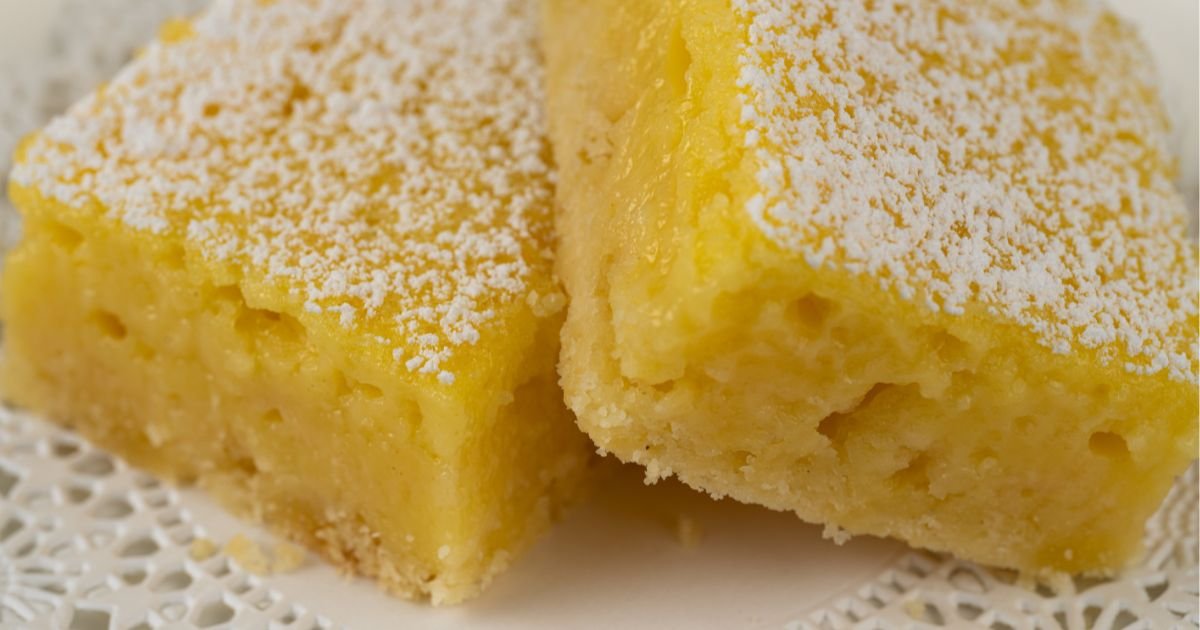
Whisk together one cup of powdered sugar, two tablespoons of fresh lemon juice, and one tablespoon of water until smooth. Drizzle it over the top of the cooled cake. It’ll set in about fifteen minutes.
This is the fast option. It’s less sweet than cream cheese frosting, and it lets the lemon cake’s flavor shine through. The glaze is thin enough that you can see the cake underneath, which is visually appealing. It also doesn’t require refrigeration.
If the glaze is too thick, add another teaspoon of water. If it’s too thin, add more powdered sugar. The consistency should be like thick cream, pourable but not runny.
How Can You Customize This Basic Lemon Cake Recipe?
The foundation is solid, which means you can build on it. The following additions and substitutions work without breaking the recipe.
Add Almond Extract Or Poppy Seeds For Texture
One quarter teaspoon of almond extract, stirred into the wet ingredients after the eggs, adds a subtle almond note that doesn’t overpower the lemon. It’s not obvious that it’s almond. It just makes the lemon taste more complex.
Two tablespoons of poppy seeds, stirred into the dry ingredients with the flour, add a pleasant texture and a subtle nutty flavor. They don’t change the taste dramatically, but they add visual interest and a tiny bit of crunch.
Both additions are optional. If you’re nervous about experimenting, skip them on the first batch and try them on the second. The base recipe is strong enough to stand alone.
Dairy-Free And Gluten-Free Substitutions
For dairy-free: replace the butter with the same amount of coconut oil or dairy-free butter, and replace the yogurt with the same amount of coconut yogurt or dairy-free yogurt. The cake will be slightly less moist and slightly less rich, but it’ll still be good. Use dairy-free cream cheese and dairy-free butter for the frosting if you’re making that.
For gluten-free: this is trickier because gluten-free flour blends behave differently than all-purpose flour. A one-to-one gluten-free flour blend works, but you might need to add one tablespoon of cornstarch or xanthan gum to improve the texture. The cake might be slightly denser, but it’ll still be moist because of the yogurt.
For both: use a gluten-free, dairy-free flour blend, coconut oil, and dairy-free yogurt. The result will be different from the original, but it’ll still be a good lemon cake. Test it on a small batch first if you’re making this for someone with allergies.
Troubleshooting: Why Didn’t Your Lemon Cake Turn Out Right?
Most lemon cake problems fall into three categories. Here’s what causes them and how to fix them next time.
Cake Turned Out Dry Or Dense
The most common cause is overmixing. If you beat the batter for more than a minute after the flour is mostly combined, you’re developing the gluten, which makes the cake tough and dense. Mix just until the flour is incorporated, then stop.
The second cause is overbaking. If you waited for a completely clean toothpick, you overbaked. Bake until the toothpick has a few moist crumbs on it, then pull it out. The cake will continue to cook.
The third cause is not enough liquid. If you reduced the yogurt or didn’t use fresh lemon juice, the cake won’t have enough moisture. Stick to the recipe the first time. Once you understand how it works, you can experiment.
To fix a dry cake after it’s baked: brush the warm cake with lemon simple syrup (equal parts sugar and fresh lemon juice, heated until the sugar dissolves, then cooled slightly). This adds moisture and flavor. It’s not a perfect fix, but it helps.
Cake Tastes Bitter Or Too Sour
Too much zest causes bitterness. The white pith under the yellow outer layer tastes bitter, so if you’re using a microplane grater, be careful not to go too deep. Use only the colored part of the peel. One tablespoon of zest is the upper limit for this recipe.
Too much juice causes excessive sourness. The recipe calls for one quarter cup, which is about three tablespoons. If you used more, the cake tastes aggressively sour. Next time, measure carefully. The acidity needs to be balanced, not dominant.
If the cake is already baked and tastes too sour, frost it with a sweeter frosting. Cream cheese frosting with extra powdered sugar will balance the sourness. Or serve slices with whipped cream or vanilla ice cream, which will soften the sharp flavor.
Frequently Asked Questions
Can I use bottled lemon juice instead of fresh?
Technically yes, but the flavor will be noticeably flatter. Bottled juice has been treated with preservatives and heat, which kills the bright, aromatic compounds that make lemon taste alive. Fresh juice takes five minutes and one lemon. The difference is worth it.
What if my cake sinks in the middle?
This usually means the oven temperature was too high, which set the outside before the inside was cooked, then the inside collapsed as it cooled. Use an oven thermometer to check your actual temperature. It might not match what the dial says. Also, avoid opening the oven door in the first thirty minutes, which can cause temperature drops that lead to sinking.
How do I know if my baking powder is still good?
Baking powder loses potency over time. To test it, mix one teaspoon with a quarter cup of hot water. If it fizzes vigorously, it’s good. If it barely fizzes, it’s old. Replace it. Most baking powder is good for about six months after opening.
Can I make this cake with oil instead of butter?
Yes. Use the same amount of neutral oil like vegetable or canola oil. The cake will be slightly less rich and slightly more tender. It’ll still be good. Don’t use olive oil, which will make the cake taste savory.
What’s the difference between lemon zest and lemon extract?
Zest is the actual peel of the lemon, which contains the aromatic oils. Extract is a concentrated liquid made by soaking zest in alcohol. Extract is convenient but tastes slightly artificial. Fresh zest tastes brighter and more authentic. Use zest when you have fresh lemons.
Can I double this recipe?
Yes, but use two pans instead of one. If you put double the batter in a single pan, it’ll take much longer to bake and might not cook evenly. With two pans, double the recipe exactly as written and bake both at the same time for about the same duration.
How far ahead can I make this cake for a party?
Bake it the day before and store it unfrosted in an airtight container. Frost it the morning of the party. This way the cake is fresh and the frosting is fresh. If you need to make it further ahead, bake and freeze it unfrosted for up to a month, thaw it the day before, then frost it the morning of the party.
Why does my cake taste like it’s missing something?
You probably didn’t use enough lemon zest or fresh lemon juice. The recipe relies on bold, fresh citrus flavor. If you’re timid with the zest and juice, the cake tastes vague. Use the full amounts. The flavor should be unmistakably lemon, not vaguely yellow.
Stop Settling For Pale Yellow Cake
The whole point of making lemon cake at home is that you can make it taste like actual lemon, not like the idea of lemon. That requires fresh citrus and the technique to use it properly. It requires understanding that moisture comes from fat and acid and time, not from guessing.
This recipe works because every component serves a purpose. The yogurt isn’t there for flavor. It’s there because its specific combination of fat and acid creates a tender crumb. The zest goes into the dry ingredients because that’s where it distributes evenly. The juice goes in last because that’s when it can add moisture without pre-acidifying the baking powder. The baking time is thirty-five to forty-five minutes, not “until a toothpick comes out clean,” because a completely clean toothpick means you’ve overbaked.
Once you understand these things, you can make this cake in your sleep. You can customize it. You can troubleshoot it. You can make it ahead. You can serve it to people and have them ask for the recipe, which is the real victory.