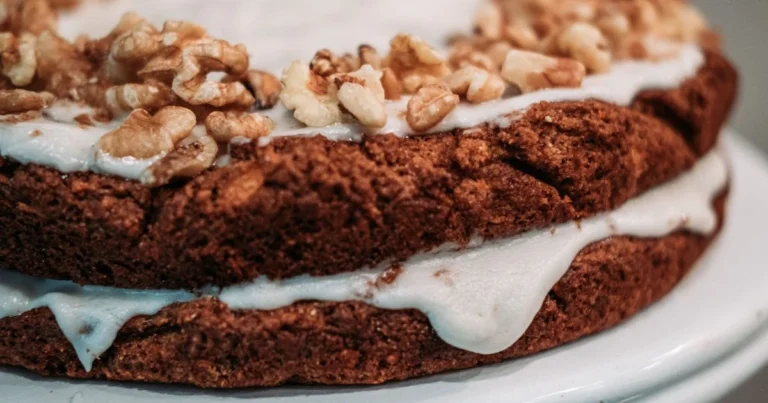
Applesauce Cake With Cake Mix: Easy 3-Ingredient Recipe
Table of Contents
You know that feeling when you pull a cake out of the oven, wait for it to cool, and then take a bite only to realize it has the texture of a dry sponge? It is a common tragedy in the world of boxed baking. But there is a shortcut that veteran bakers have used for decades to turn a standard box into something that tastes like a professional bakery made it. By making an applesauce cake with cake mix, you are essentially using a moisture-heavy powerhouse to cheat your way to a perfect crumb every single time.
This recipe is the ultimate low-effort, high-reward move for anyone who wants a dessert that feels homemade but takes less than five minutes of prep. Whether you are using a spice cake base or a simple yellow mix, the addition of applesauce transforms the chemical structure of the batter. It is not just about flavor. It is about achieving that dense, damp, and tender consistency that usually requires hours of labor and precise weighing of ingredients. Instead, you just open a jar and a box, and you are halfway to a crowd-pleasing treat.
Why Should You Use Applesauce in a Cake Mix?
Using applesauce in a cake mix works because the pectin and fiber in the cooked apples act as a natural humectant, locking in water molecules during the baking process so the cake stays moist for days. Additionally, the acidity in the applesauce reacts with leavening agents in the mix to create a more tender, delicate crumb structure than oil alone.
Most people view applesauce as a healthy snack for kids, but in the chemistry of baking, it is a functional ingredient. Standard boxed mixes rely heavily on fats like vegetable oil to provide moisture. While oil works, it does not actually hydrate the flour. Applesauce, however, provides both hydration and a structural boost. This means your cake will not just be moist when it is warm, it will stay fresh and soft even on the second or third day after baking.
Improving Texture and Moisture Content
The biggest complaint about boxed desserts is the dry, crumbly mouthfeel that often develops as soon as the cake cools. When you create an applesauce cake, the sauce replaces or supplements the liquid components to provide a much tighter, more velvety crumb. The natural sugars in the apples also help the cake retain its structure, preventing that “airy” or “hollow” feeling that some cheap mixes produce. It creates a weightiness that makes people ask for your secret recipe.
Reducing Fat Without Sacrificing Flavor
If you are looking for a lighter way to enjoy dessert, applesauce is the premier substitute for oil or butter. You can typically swap oil for applesauce in a 1:1 ratio. Because applesauce is naturally sweet and flavorful, you do not lose the richness you would expect from a traditional cake. According to recent nutrition data from Simple Nourished Living, a slice of a 3-ingredient applesauce bundt cake can be as low as 135 calories while maintaining the decadence of a full-fat version. It is a rare win-win situation where the healthier choice actually improves the final product.
What Ingredients Do You Need for an Applesauce Cake With Cake Mix?
The beauty of this cake recipe using applesauce is the minimal shopping list. At its most basic level, you only need three things: a box of mix, a few eggs, and a jar of sauce. However, the specific choices you make for these base components will dictate the final personality of your dessert. You are looking for a balance between the convenience of the box and the fresh, fruity notes of the apple.
Most recipes found in the latest cooking guides suggest a standard 15.25-ounce box of mix paired with roughly 1 to 1.5 cups of applesauce. If you are skipping the oil entirely, ensure your applesauce is at room temperature to help it incorporate smoothly with the eggs. This prevents the batter from breaking or becoming lumpy before it even hits the oven.
Choosing the Best Boxed Mix Flavors
While you can technically use any flavor, three specific varieties stand out as the best foundations. A spice cake mix is the gold standard, as the cinnamon, nutmeg, and ginger notes perfectly complement the apple flavor. A yellow cake mix provides a neutral, buttery base that lets the sweetness of the fruit shine through. For a lighter, more delicate option, a white cake mix creates a beautiful canvas, especially if you plan on adding a bright lemon or vanilla glaze later.
Selecting the Right Type of Applesauce
When deciding what to make with applesauce, the texture of the sauce matters. Unsweetened, smooth applesauce is usually the best choice because it gives you total control over the sugar levels and ensures a uniform texture. If you want a more rustic, country-style cake, you can use a chunky variety. Just be aware that chunky sauce may leave small bits of fruit throughout the cake, which some people love and others find distracting. Avoid flavored sauces like strawberry-apple, as the artificial colors can turn the cake an unappealing shade of gray.
Optional Mix-ins for Added Depth
If you want to move beyond the basic 3-ingredient version, there are several “moist cake mix hacks” you can deploy. Fold in half a cup of chopped walnuts or pecans for a necessary crunch that offsets the soft crumb. Raisins or dried cranberries add a chewy sweetness that pairs beautifully with spice cake. If you are feeling indulgent, a handful of dark chocolate chips creates a sophisticated flavor profile that bridges the gap between a fruity snack cake and a rich dessert.
How Do You Make a Simple Applesauce Cake?
The process for making an applesauce cake with cake mix is remarkably straightforward, but the order of operations matters. You want to ensure the leavening agents in the box are activated properly without overworking the gluten in the flour. Start by whisking your eggs in a large bowl, then stir in the applesauce until the mixture is uniform. Gradually add the dry cake mix, using a spatula or a hand mixer on the lowest setting until no large streaks of flour remain.
One trick that professionals use is to let the batter sit for about five minutes before pouring it into the pan. This allows the dry ingredients to fully hydrate, which leads to a more even rise. Make sure your oven is fully preheated to 350 degrees Fahrenheit. A cold oven will cause the cake to rise too slowly, resulting in a dense, gummy bottom layer that no amount of frosting can fix.
Mixing the Batter for Optimal Consistency
The most common mistake people make is over-mixing. Because applesauce adds significant moisture and weight, over-beating the batter can lead to a rubbery texture. You should mix just until the ingredients are combined. If you see a few tiny lumps, leave them alone. They will disappear during the baking process. The goal is a thick, pourable batter that looks slightly more substantial than a standard oil-based mix.
Baking Times and Pan Selections
Your choice of pan will dictate your baking time and the final “vibe” of the dessert. A Bundt pan is a classic choice for this recipe, usually requiring 35 to 45 minutes of baking. The central tube helps heat circulate, which is vital for high-moisture cakes. If you use a 9×13 rectangular pan, you are looking at roughly 30 to 35 minutes. For those making cupcakes or muffins, check them at the 18-minute mark. Always grease your pans thoroughly, as the extra moisture from the apples can make the cake more prone to sticking than a traditional recipe.
What Else Can You Make With Applesauce in the Kitchen?
Once you realize how effective applesauce is as a baking tool, you will start looking for other ways to use it. The question of what to make with applesauce extends far beyond just one specific cake. It is one of the most versatile pantry staples you can own, acting as a fat replacer, a sweetener, and a binder all in one. Keeping a few jars in the cupboard is a smart move for any home cook who wants to improve their results without adding expensive specialty ingredients.
Beyond the sweets, applesauce has a long history in savory cooking as well. It provides a necessary acidic and sweet balance to heavy, fatty meats. If you have half a jar left over from your cake, do not let it sit in the fridge until it grows mold. Use it as a base for a marinade or a quick side dish to round out a weeknight meal.
Softening Homemade Cookies and Brownies
Applesauce is a secret weapon for chocolate lovers. Adding two tablespoons of applesauce to a brownie mix creates a “fudgy” rather than “cakey” result. In cookies, it can replace half of the butter to create a soft, pillowy texture that stays fresh in a cookie jar for a week. It is particularly effective in oatmeal cookies, where the apple flavor feels right at home alongside cinnamon and oats.
Savory Applications for Leftover Sauce
Don’t forget that apples and pork are a match made in heaven. You can use leftover applesauce to create a glaze for pork chops by mixing it with a little Dijon mustard and apple cider vinegar. It also works as a surprisingly good thickener for certain types of vegetable soups or as a topping for potato latkes. The natural sugars caramelize beautifully under a broiler, giving savory dishes a professional, glossy finish.
Which Frostings Pair Best With an Applesauce Cake?
Choosing the right topping for your applesauce cake is about balancing the moisture of the cake with a complementary texture. Because the cake itself is quite damp and flavorful, you do not want a frosting that is so heavy it overwhelms the crumb. You want something that adds a punch of flavor or a bit of creamy contrast. The goal is to enhance the warm spices of the cake without making the entire experience cloyingly sweet.
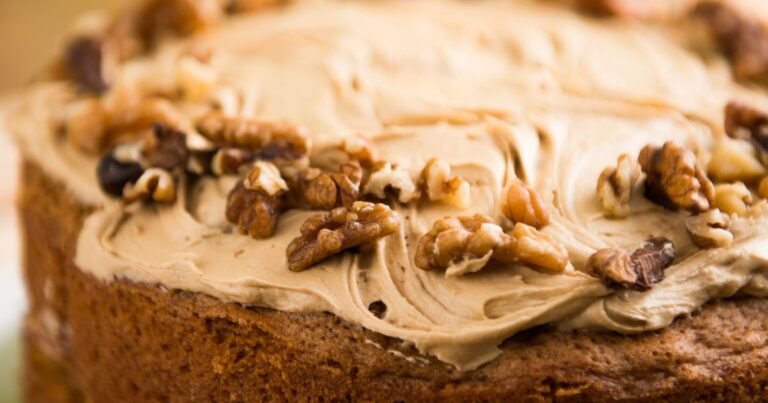
If you are serving the cake as a casual afternoon snack, you might skip the frosting entirely and opt for a simple dusting of powdered sugar. However, for a birthday or a holiday gathering, a proper frosting makes the dish feel complete. Think about the flavors that naturally go with apples: cinnamon, caramel, cream, and maple are all excellent starting points.
Classic Cream Cheese Frosting Recipe
This is the undisputed champion for any spice-based dessert. The tanginess of the cream cheese cuts through the sweetness of the applesauce perfectly. To make a simple version, beat together 8 ounces of softened cream cheese, half a cup of butter, 4 cups of powdered sugar, and a teaspoon of vanilla extract. It creates a thick, pillowy layer that holds up well against the dense texture of the cake. According to CakeWhiz, pairing this cake with cream cheese frosting is the most popular way to serve it for fall gatherings.
Caramel Drizzle and Warm Glazes
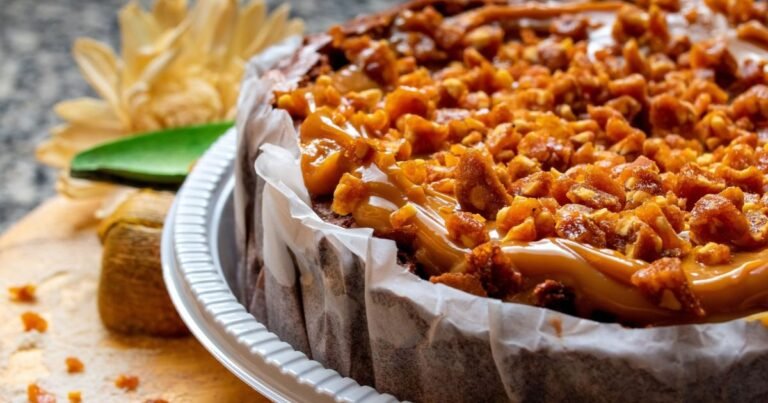
If you prefer a lighter touch, a caramel drizzle is a sophisticated alternative. You can make a quick glaze by melting butter, brown sugar, and a splash of milk in a saucepan until bubbly, then pouring it over the warm cake. This creates a thin, sugary shell that soaks slightly into the top layer of the applesauce cake with cake mix. It provides a beautiful aesthetic, especially when using a Bundt pan where the caramel can run down the decorative ridges.
How Should You Store a Cake Recipe Using Applesauce?
Because of the high moisture content in a cake recipe using applesauce, storage is a bit different than a dry, store-bought loaf. Moisture is great for taste, but it is also a magnet for spoilage if handled incorrectly. You need to protect the cake from both drying out and becoming soggy. The way you store it depends entirely on how quickly you plan to eat it and whether or not you have frosted it yet.
If your cake contains cream cheese frosting, it must be refrigerated. Dairy-based frostings do not play well with room temperature for more than an hour or two. If the cake is plain or glazed with a sugar-based syrup, you have more flexibility. Always ensure the cake is completely cool before wrapping it, otherwise, trapped steam will turn the surface into a sticky, unappealing mess.
Countertop vs Refrigeration Strategies
For a plain applesauce cake, an airtight container on the countertop will keep it fresh for about two to three days. However, if you live in a humid environment, the fridge is your friend. Refrigeration can firm up the crumb, which some people actually prefer. Just make sure it is wrapped tightly in plastic wrap or stored in a high-quality container to prevent it from picking up “fridge smells” like onions or garlic.
Freezing Instructions for Meal Prep
This cake freezes exceptionally well, making it perfect for meal prep. You can freeze the entire cake or individual slices. Wrap each piece tightly in plastic wrap, followed by a layer of aluminum foil to prevent freezer burn. It will stay good for up to three months. When you are ready to eat, let it thaw at room temperature for about an hour. A quick 15-second zap in the microwave can also restore that “just baked” warmth and softness.
What Are the Most Common Baking Mistakes to Avoid?
Even with a recipe this simple, there are a few ways to go off the rails. The most frequent issues stem from the fact that applesauce is not a standardized ingredient. One brand might be very watery, while another is thick like a puree. Understanding how to adjust for these variables is the difference between a soggy failure and a moist success. You are essentially managing the ratio of solids to liquids to ensure the cake sets properly in the heat of the oven.
Another common pitfall is ignoring the altitude or the age of your cake mix. If your mix has been sitting in the pantry for three years, the leavening agents might be dead. In that case, adding a teaspoon of baking powder to your applesauce cake with cake mix can provide the extra insurance you need to get a good rise. Always check the expiration date on the box before you start cracking eggs.
Adjusting Liquid Ratios Properly
If you open your jar of applesauce and see a lot of liquid sitting on top, you may want to drain it slightly or reduce the other liquids in the recipe. If the recipe calls for water in addition to the sauce, start by adding only half of the water. You can always add more, but you cannot take it out. The batter should be thick enough to hold its shape for a second when dropped from a spoon. If it is runny like soup, your cake will likely collapse in the center.
Determining Doneness Without Overbaking
The standard “toothpick test” is essential here, but with a twist. Because this is a high-moisture cake, the toothpick might come out with a few moist crumbs attached. That is actually what you want. If the toothpick comes out completely bone-dry, you have probably overbaked it, and the applesauce’s hard work has been undone. Look for the edges of the cake to start pulling away from the sides of the pan as the primary sign that it is finished. As Mom Crieff notes, these cakes often continue to set as they cool, so pulling them out a minute early is better than a minute late.
Frequently Asked Questions
Can I use applesauce instead of oil in any cake mix?
Yes, you can substitute applesauce for oil in a 1:1 ratio in almost any boxed cake mix. This swap reduces the fat content and adds moisture, though the resulting cake may be slightly denser than the original version. It works best in flavors like spice, carrot, or chocolate.
Do I still need to add eggs if I use applesauce?
Most recipes for an applesauce cake with cake mix still require eggs to provide structure and lift. While applesauce adds moisture, the proteins in the eggs are what keep the cake from falling apart. If you need a vegan option, you can use an egg replacer, but the texture will be significantly heavier.
Which is better: sweetened or unsweetened applesauce for baking?
Unsweetened applesauce is generally better for baking because boxed cake mixes already contain a high amount of sugar. Using sweetened sauce can make the cake cloyingly sweet and may affect the way the exterior browns. If you only have sweetened sauce, you might want to skip any extra sugar-heavy glazes.
Why did my applesauce cake turn out gummy?
A gummy texture is usually the result of over-mixing the batter or under-baking the cake. When you over-mix, you develop too much gluten, which creates a tough, rubbery feel. Additionally, if the oven temperature is too low, the center of the cake won’t set properly, leaving it dense and wet.
How much applesauce equals one cup of oil?
One cup of applesauce is the standard replacement for one cup of oil. However, if you are worried about the texture, you can try a half-and-half approach. Replacing only half the oil with applesauce provides a boost in moisture while maintaining the traditional “mouthfeel” that fat provides.
Can I add fresh apples to an applesauce cake?
Absolutely, adding peeled and diced fresh apples can add great texture and a pop of tartness. Just be sure to dice them small so they don’t sink to the bottom of the pan. You may need to add five extra minutes to the baking time to account for the extra moisture in the fresh fruit.
Start Baking Your Easy Applesauce Cake Today
Creating a delicious, bakery-quality dessert does not have to involve a sink full of dishes or a complicated list of instructions. By mastering the applesauce cake with cake mix, you have a reliable, “emergency” recipe that works for everything from school bake sales to holiday dinners. The combination of the pre-measured box and the natural hydration of the fruit ensures that you get moist results every single time you turn on the oven. It is the ultimate shortcut for the modern baker who values both time and taste.
Once you have pulled your masterpiece out of the oven and let it cool, don’t forget to show it off. Whether you went with a classic cream cheese frosting or a simple caramel drizzle, the results are usually too good not to share. Post a photo of your creation on social media to inspire others to try this simple hack. You might just find that this humble pantry-staple cake becomes the most requested item in your baking repertoire. Turns out, the secret to a perfect cake was sitting in a jar of applesauce all along.