Cake Recipe Using Applesauce: How to Make a Moist Cake in 10 minute
Table of Contents
If you have ever pulled a cake out of the oven only to find it crumbly and dry, you know the frustration of wasted ingredients. The honest take is that most home bakers rely too heavily on fats like butter and oil to achieve a tender crumb, but there is a more efficient way to hit that target. A cake recipe using applesauce acts as a functional shortcut to a dessert that stays soft for days, effectively using fruit sugars and fiber to lock in hydration. It is not just a health swap, it is a technical upgrade that creates a specific, spongy texture that oil alone cannot replicate. Whether you are looking to cut calories or simply need a way to use up that jar in the pantry, this method simplifies the process by providing a consistent moisture source that stands up to high heat without turning the sponge greasy.
Good call when you want a dense, spice-forward dessert that feels substantial. Good call when you need to bake for someone avoiding dairy or heavy oils. Walk away when you are looking for a light, airy chiffon or angel food cake that requires fat for structural lift. Walk away when you dislike a slightly tighter, more pudding-like crumb in your baked goods.
In this context, worth it refers to the balance between nutritional density and the shelf life of the final product. By using a cake recipe using applesauce, you are essentially investing in a cake that resists staling, which is a common pitfall of traditional butter-based sponges.
Why Should You Use a Cake Recipe Using Applesauce?
Baking is a game of moisture retention and structural integrity. When you use traditional fats, you are coating flour proteins to prevent gluten from becoming too tough. However, fruit purees offer a different chemical interaction. Using applesauce provides a dual-purpose benefit: it hydrates the dry ingredients while the natural sugars help with the browning process, known as the Maillard reaction. This results in a cake that looks golden and feels incredibly soft to the touch.
The science of baking with applesauce relies on the fact that fruit purees do not melt away like butter. Instead, they integrate into the batter, creating a stable emulsion. This is particularly useful in denser cakes like bundts or snack cakes where you want the weight of the slice to feel satisfying rather than oily. You are essentially trading liquid fat for a structural moisture-bearer that carries flavor more effectively than neutral vegetable oils.
The Role of Pectin in Applesauce Baking
Pectin is a naturally occurring starch found in the cell walls of fruits, and apples are particularly rich in it. In a cake recipe using applesauce, pectin acts as a natural thickener and stabilizer. When you reduce the oil or butter in a recipe, you risk the cake becoming flimsy or falling apart. Pectin steps in to provide a gel-like structure that holds the flour and leavening agents together, ensuring the cake does not collapse after it leaves the heat of the oven.
This structural support is why applesauce cake often has a better “bounce” than low-fat cakes made with just water or skim milk. The pectin helps the cake retain its shape even when you are folding in heavy extras like chopped nuts or fresh apple chunks. It creates a network that traps air bubbles, which is vital when you are not using the traditional creaming method of beating butter and sugar together to incorporate air.
Health Benefits of Swapping Oil for Applesauce
The most immediate advantage is the drastic reduction in caloric density. One cup of vegetable oil contains roughly 1,900 calories and 218 grams of fat. In contrast, one cup of unsweetened applesauce contains about 100 calories and zero grams of fat. By using an applesauce oil substitute, you can reduce the total fat content of a standard cake by over 90% without losing the mouthfeel that makes cake enjoyable. This is a massive win for anyone tracking macros or looking to provide a lighter dessert option for their family.
Beyond the calories, you are also introducing a small amount of dietary fiber and vitamin C into the dessert. While a cake will never be a salad, these micro-additions make the treat less of a “dead calorie” food. The natural fructose in the sauce also allows you to slightly reduce the added granulated sugar in some recipes, as the fruit provides its own subtle sweetness. It is a functional swap that pays off in both health metrics and final taste.
How Do You Make an Applesauce Cake With Cake Mix?
If you are short on time, using a boxed mix is the most efficient route. An applesauce cake with cake mix is a favorite for busy bakers because the mix already contains the necessary emulsifiers and leavening agents to ensure a successful rise. You are simply swapping the liquid fat called for on the back of the box for the fruit puree. This results in a “doctoring” of the mix that makes it taste like it was made from scratch.
Most commercial cake mixes require about 1/3 to 1/2 cup of oil. When you replace this with applesauce, the batter will look thicker than usual. Do not be tempted to add extra water to thin it out. The thickness is a result of the fiber in the apples, and it will bake into a perfectly moist sponge. This method is particularly effective for those who find boxed cakes to be too light or “chemically” in their texture, as the fruit adds a home-style weight to the crumb.
Ratios for Boxed Mix Substitutions
The standard rule for an applesauce oil substitute is a 1:1 ratio. If the box instructions call for 1/2 cup of oil, you use 1/2 cup of applesauce. It is a direct swap that requires no complex math. However, if you are nervous about the texture change, you can start with a 50/50 split, using 1/4 cup of oil and 1/4 cup of applesauce. This gives you the best of both worlds: the richness of the oil and the moisture-retention of the fruit.
For those looking for the moistest results possible, Alexandra’s Kitchen suggests that using a combination of applesauce and yogurt can create an even more tender crumb. If you choose to go 100% sauce, ensure you bake the cake for the full recommended time. Fruit-based cakes sometimes take an extra 3 to 5 minutes to fully set in the center because of the high water content in the puree. Always use the toothpick test to confirm the middle is no longer gummy.
Best Cake Mix Flavors to Pair with Apple
Not every cake mix flavor is a perfect match for apple, but several stand out as elite choices. Spice cake mix is the most obvious and successful pairing, as the cinnamon and ginger in the mix naturally complement the apple notes. A yellow cake mix is also a fantastic base, providing a neutral, buttery canvas that lets the apple flavor shine through more clearly. It creates a result very similar to a classic Dutch apple cake.
Chocolate cake mix is a surprising but delicious alternative. The acidity in the applesauce actually enhances the flavor of the cocoa, making the chocolate taste deeper and more intense. If you use a dark chocolate or “Devil’s Food” mix, the applesauce ensures the cake stays fudgy rather than dry. Avoid using delicate flavors like lemon or strawberry, as the earthy, fruity undertones of the applesauce can clash with the bright citrus or berry notes.
Adding Texture with Walnuts or Raisins
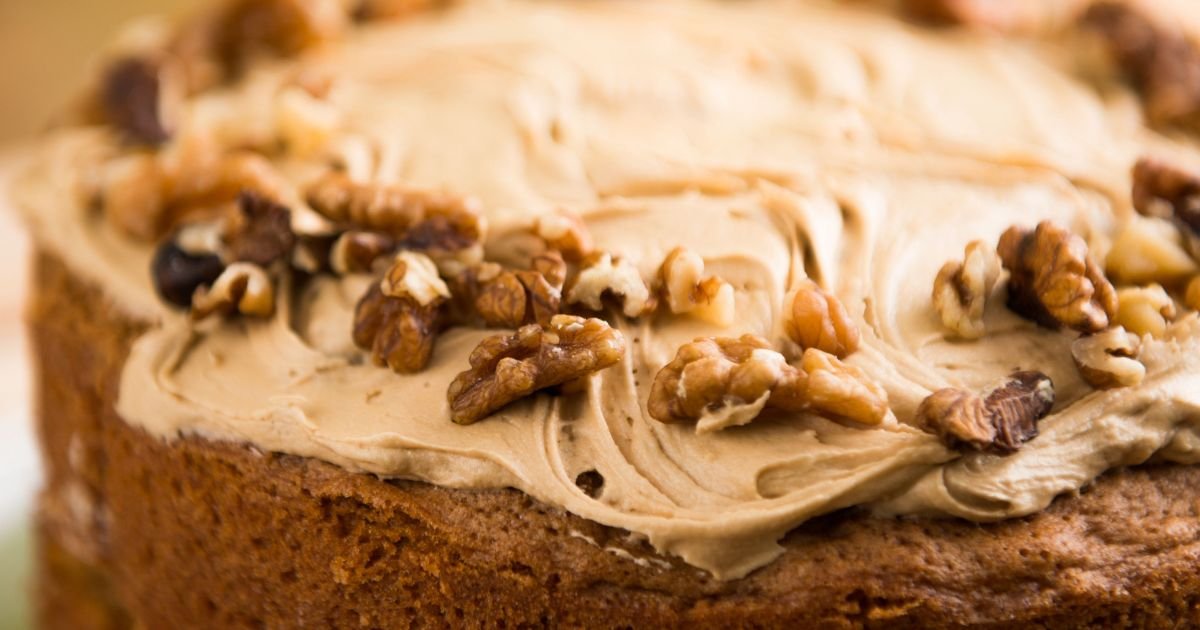
Because an applesauce cake tends to be soft and uniform, adding textural contrast is a smart move. Folding in 1/2 cup of toasted walnuts or pecans provides a necessary crunch that breaks up the density of the sponge. If you prefer a sweeter addition, golden raisins or dried cranberries work beautifully. The dried fruit will actually plump up slightly during the baking process as it absorbs some of the moisture from the applesauce.
To prevent these add-ins from sinking to the bottom of the pan, toss them in a tablespoon of the dry cake mix before folding them into the wet batter. This light coating of flour helps the nuts and raisins stay suspended in the cake. You can also sprinkle a handful of chopped nuts on top of the batter just before it goes into the oven for a rustic, crunchy topping that eliminates the need for heavy frosting.
What to Make With Applesauce When Baking from Scratch?
When you move away from the box and start baking from scratch, you have total control over the flavor profile. A homemade applesauce cake is a staple of traditional American baking, often referred to as a “War Cake” or “Depression Cake” because it relies on pantry staples rather than expensive fresh dairy. The goal is to create a deep, aromatic loaf or bundt that tastes better on the second day once the spices have had time to bloom.
A scratch recipe typically involves creaming a small amount of butter or oil with sugar, adding eggs, and then alternating the dry ingredients with the applesauce. According to AllRecipes, a classic version uses 2 cups of flour and 1 cup of applesauce to achieve the perfect balance. This ratio ensures the cake is sturdy enough to slice but moist enough to eat without a drink nearby. It is the ultimate comfort food for cooler months.
Selecting the Right Type of Applesauce
The success of your cake recipe using applesauce depends heavily on the jar you pull from the shelf. Unsweetened applesauce is the industry standard for baking. It allows you to control the sugar levels of the cake precisely. If you use sweetened sauce, you should reduce the granulated sugar in your recipe by about 2 tablespoons per cup of sauce to avoid an overly cloying result. Smooth sauce is generally preferred for a uniform crumb, but chunky sauce can be used if you want small bits of visible fruit throughout the cake.
If you are making your own sauce at home, ensure it is blended well and not too watery. If your homemade sauce is very thin, you might want to simmer it on the stove for 10 minutes to reduce the liquid content before adding it to your batter. Commercially prepared applesauce is usually consistent in its water-to-fiber ratio, making it a very reliable ingredient for consistent baking results every time you head to the kitchen.
Essential Spices for an Aromatic Applesauce Cake
An applesauce cake without spices is just a plain muffin. To get that nostalgic, warm flavor, you need a heavy hand with the aromatics. Cinnamon is the lead actor here, usually requiring at least 1 to 2 teaspoons for a standard loaf. Nutmeg provides an earthy depth, while a pinch of ground cloves adds that “old-fashioned” holiday scent that fills the house. If you want a bit of a modern kick, a half-teaspoon of ground ginger adds a subtle heat that cuts through the sweetness.
Don’t forget the salt. A half-teaspoon of fine sea salt is essential to balance the sugars and make the spices pop. Some bakers also like to add a teaspoon of vanilla extract or even a splash of bourbon to the wet ingredients to enhance the woody notes of the cinnamon. The goal is a complex, layered flavor that feels sophisticated despite the simplicity of the main ingredients.
Can You Substitute Applesauce for Eggs and Butter?
For those following a vegan diet or managing high cholesterol, the ability to swap out animal products is a major draw of the cake recipe using applesauce. While it is famous as an oil replacement, it can also function as a binder. However, you have to be careful with the physics of the bake. Butter and eggs provide lift and aeration that fruit puree cannot fully replicate on its own, so you may need to adjust your leavening agents like baking soda or powder to compensate.
When you remove butter, you lose that specific dairy richness, but you gain a cleaner fruit flavor. When you remove eggs, you lose some of the “springiness.” The key is knowing which swap to prioritize. For the best results, replacing the fat (butter/oil) with applesauce is usually more successful than replacing the eggs, but doing both is possible if you are looking for a completely plant-based or fat-free dessert option.
Using Applesauce as a Vegan Egg Replacer
The general rule for using applesauce as an egg substitute is 1/4 cup of unsweetened applesauce per large egg. This works because the moisture and carbohydrates in the apple help bind the flour together, much like an egg white does. However, because applesauce is heavier than an egg, the cake will be denser. To fix this, many bakers add an extra 1/2 teaspoon of baking powder to the dry ingredients to help the batter lift during the initial stage of baking.
This substitution is best suited for “heavy” cakes like brownies, muffins, or spice cakes. It is not recommended for sponge cakes or soufflés that rely on the protein structure of eggs to stay upright. If a recipe calls for more than three eggs, replacing all of them with applesauce might result in a cake that is too wet and refuses to cook through in the center. In those cases, a combination of applesauce and a commercial egg replacer or flax meal is a safer bet.
Replacing Butter for a Lighter Crumb
Butter provides a specific mouthfeel because it is a solid fat that melts at body temperature. When you switch to a cake recipe using applesauce, the resulting crumb is often described as “tender” or “spongy” rather than “short” or “flaky.” The absence of dairy fat means the cake will feel lighter in your stomach, which is why applesauce cakes are so popular for breakfast or as a mid-afternoon snack. You get the satisfaction of a treat without the heavy, greasy aftertaste that can come from poor-quality oils or excessive butter.
One thing to note is that butter also contributes to the flavor profile. If you are worried about the cake tasting too much like plain bread, ensure you use high-quality vanilla or a touch of almond extract. The moisture from the applesauce will actually keep the cake fresher for longer than butter, which can sometimes cause a cake to feel dry or “tight” once it has been refrigerated. The fruit-based moisture stays fluid even when cold, keeping the slice soft.
How Long Does Applesauce Cake Last?
One of the hidden perks of a cake recipe using applesauce is its impressive shelf life. Traditional butter cakes can start to feel stale within 48 hours as the fats recrystalize and the moisture evaporates. Because the moisture in an applesauce cake is bound to the fruit fiber, it stays trapped within the crumb for much longer. In many cases, the flavor of the spices actually improves by the second or third day, making this an ideal “make-ahead” dessert for parties or holidays.
However, that same moisture can be a double-edged sword. If the cake is stored in a very warm, humid environment, that high water content can lead to mold faster than a drier cake would. Proper storage is the difference between a week of delicious snacks and a wasted bake. You want to keep the cake protected from the air without creating a “sauna” inside the container that turns the crust soggy.
Proper Room Temperature Storage Techniques
At room temperature, an applesauce cake will stay fresh for about 3 to 4 days. The best method is to wait for the cake to cool completely (this is non-negotiable) before placing it in an airtight container. If you wrap a warm cake, the steam will condense on the surface, making the top sticky and prone to spoiling. A glass cake dome or a plastic Tupperware container works perfectly. If you have frosted the cake with cream cheese frosting, it must be moved to the refrigerator after two hours for food safety.
If you live in a particularly dry climate, you can place a small piece of parchment paper directly against the cut surface of the cake to prevent that specific area from drying out. For an unfrosted applesauce cake, a simple wrap in foil or plastic wrap is sufficient. Just ensure there are no gaps where air can circulate. If the top becomes slightly tacky, a quick dusting of powdered sugar before serving will fix the aesthetics immediately.
Freezing Instructions for Long-Term Storage
This cake freezes exceptionally well because of its dense structure. To freeze, wrap the cooled cake (either whole or in individual slices) tightly in two layers of plastic wrap, followed by a layer of heavy-duty aluminum foil. This prevents freezer burn and keeps the smells of the freezer from penetrating the sponge. An applesauce cake can be stored this way for up to 3 months without any loss in quality. It is a great way to prep for the busy autumn season.
To thaw, move the cake to the refrigerator overnight or let it sit at room temperature for about two hours while still wrapped. Keeping it wrapped during the thawing process is important, as it allows the cake to reabsorb any surface moisture that may have migrated during the freezing process. Once thawed, you can warm individual slices in the microwave for 10 seconds to restore that “just baked” feel and aroma. The texture remains remarkably consistent even after a deep freeze.
What Are the Best Frosting Pairings for This Recipe?
While a cake recipe using applesauce is flavorful enough to eat plain, the right topping can elevate it from a simple snack to a centerpiece dessert. Because the cake is naturally sweet and spiced, you want a frosting that offers contrast. A frosting that is too sugary can overwhelm the delicate apple notes, while one that is too heavy can crush the soft crumb. You are looking for a balance of acidity, creaminess, or a hint of salt to round out the experience.
Many traditionalists prefer a simple dusting of powdered sugar or a light glaze, which keeps the focus on the fruit. However, if you are serving this for a birthday or a dinner party, a full coat of frosting adds a layer of indulgence that people expect. The following two options are the gold standard for anything involving apples and cinnamon, providing either a tangy bite or a deep, caramelized finish.
Cream Cheese Frosting for Classic Flavor
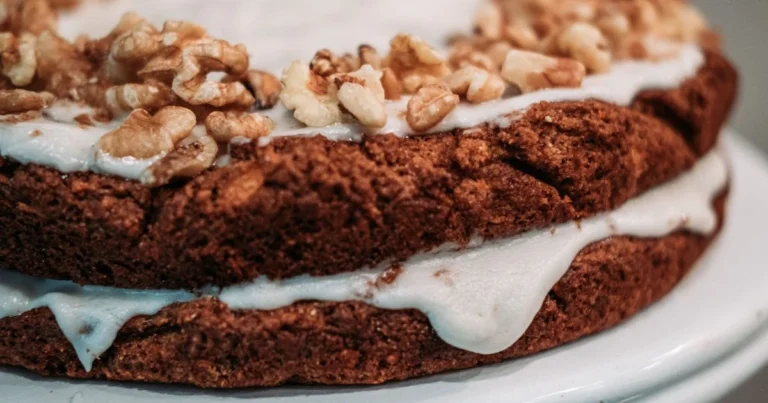
This is the undisputed champion of pairings. The tanginess of the cream cheese cuts right through the warm spices of the applesauce cake, creating a balanced flavor profile that isn’t cloying. It is the same reason we pair cream cheese with carrot cake or red velvet. The smooth, slightly heavy texture of the frosting also complements the moist, dense crumb of the cake. For the best results, add a generous amount of vanilla bean paste or extract to the frosting to echo the aromatics in the batter.
When applying cream cheese frosting, make sure the cake is completely cold. Because this frosting has a high fat and moisture content, it will slide right off a lukewarm cake. If you want a slightly lighter version, you can whip the cream cheese with a bit of heavy cream to create a “mousse” style topping that feels less dense. This is particularly good if you have made a multi-layer applesauce cake and want to keep the overall feel of the dessert airy.
Caramel Glaze for a Decadent Finish
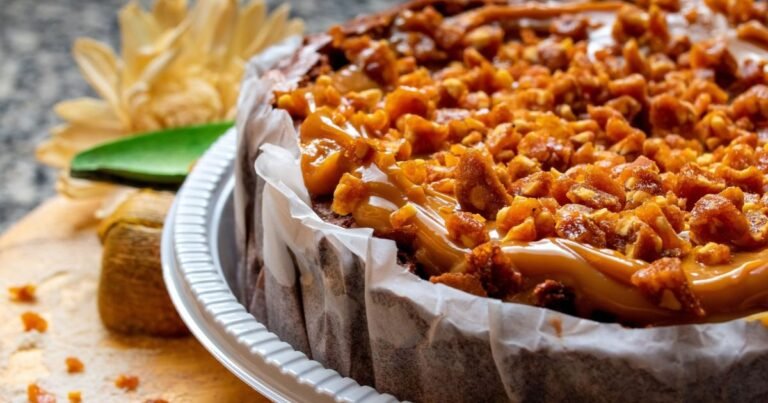
If you have baked your cake recipe using applesauce in a bundt pan, a caramel glaze is the way to go. A glaze is thinner than frosting and is designed to seep slightly into the top layer of the cake, adding a punch of flavor. You can make a quick version by boiling brown sugar, butter, and a splash of milk for two minutes, then whisking in powdered sugar until smooth. Pouring this over a warm (but not hot) cake allows it to set into a beautiful, shiny shell.
The burnt-sugar notes of the caramel pair perfectly with the apple flavor, reminiscent of a caramel apple from a county fair. To take it a step further, add a pinch of flaky sea salt to the glaze. This “salted caramel” approach highlights the spices in the cake and prevents the dessert from feeling one-dimensional. It is a sophisticated finish that requires very little effort but looks like it came from a professional bakery.
Start Baking Your Moist Applesauce Cake Today
The beauty of a cake recipe using applesauce lies in its accessibility. You likely already have the ingredients in your kitchen, and the margin for error is much wider than with temperamental butter-based sponges. Whether you are using a boxed mix for a quick Tuesday night treat or spending an afternoon crafting a spiced masterpiece from scratch, the result is a guaranteed crowd-pleaser that stays moist until the very last crumb. It is a practical, reliable, and healthier way to enjoy one of life’s simplest pleasures.
Don’t be afraid to experiment with the ratios or the add-ins. Baking is as much about your personal preference as it is about the chemistry. Try substituting half the oil in your favorite recipe this weekend and see the difference for yourself. You will likely find that the texture is superior and the cleanup is easier. Once you master the basics of baking with applesauce, you will have a versatile tool in your culinary arsenal that works for almost any cake flavor imaginable.
Frequently Asked Questions
Can I use chunky applesauce instead of smooth in a cake?
Yes, you can use chunky applesauce, though it will change the texture of the final cake. You will have small, soft bits of apple throughout the sponge, which many people find pleasant, similar to a fresh apple cake. If you prefer a completely uniform, professional-looking crumb, it is better to stick with a smooth puree or give your chunky sauce a quick pulse in the blender before adding it to the batter.
Does applesauce make the cake taste like apples?
Surprisingly, the apple flavor is quite subtle. In a cake recipe using applesauce, the fruit primarily provides moisture and sweetness rather than a punchy fruit flavor. When combined with spices like cinnamon and nutmeg, it tastes more like a generic “spice cake.” If you want a strong apple flavor, you should add chopped fresh apples or a teaspoon of apple extract in addition to the sauce.
Can I use sweetened applesauce if that is all I have?
You can use sweetened applesauce, but you must adjust the other sugars in the recipe to prevent the cake from being too sweet. A good rule of thumb is to remove about 2 tablespoons of the granulated or brown sugar called for in the recipe for every cup of sweetened sauce used. Also, be aware that sweetened sauces often contain extra water or corn syrup, which might make the cake slightly more soft or sticky.
Why did my applesauce cake come out gummy in the middle?
Gummy centers are usually caused by one of two things: underbaking or too much moisture. Because applesauce adds significant hydration, the cake needs enough time in the oven for the structure to set. If you pull it out too early, the center will remain dense and wet. Additionally, if you replaced both the oil and the eggs with applesauce, the lack of protein and fat may prevent the cake from drying out properly during the bake.
Can I use applesauce in a chocolate cake recipe?
Absolutely, and it is highly recommended. Chocolate cakes are notorious for drying out, and the acidity in applesauce helps to tenderize the cocoa proteins while keeping the crumb fudgy. The dark color of the chocolate also hides the color of the applesauce perfectly. Most people will never guess there is fruit in the cake; they will simply notice that it is one of the moistest chocolate cakes they have ever eaten.
Is an applesauce cake suitable for a tiered wedding cake?
Generally, no. A cake recipe using applesauce produces a very soft and tender crumb that may not have the structural integrity to support the weight of multiple tiers. For tiered cakes, you typically need a sturdier butter-based pound cake or a dense sponge. However, an applesauce cake is perfect for sheet cakes, bundt cakes, or single-layer rounds where the weight of other layers isn’t a concern.
The most reliable rule of thumb is that a 1:1 swap of applesauce for oil will almost always result in a moister, lower-calorie cake with no loss in flavor.
By mastering this simple substitution, you can transform standard recipes into healthier, longer-lasting treats that your family will love. Grab a jar of unsweetened sauce and start experimenting with your favorite flavors today.