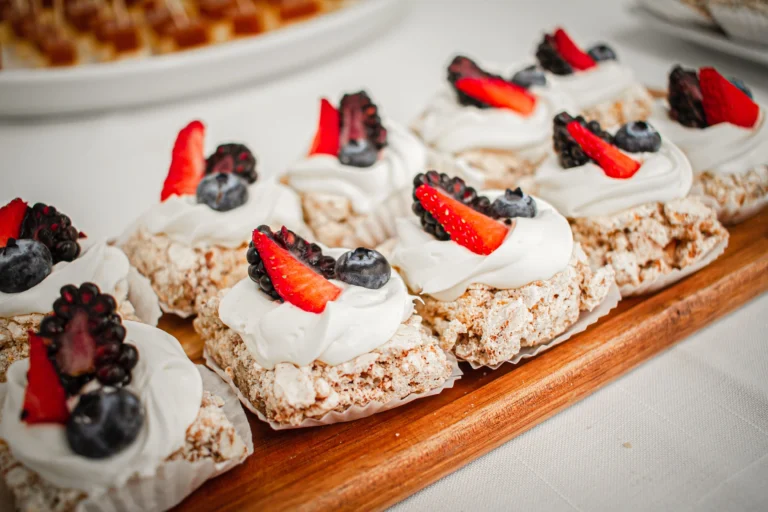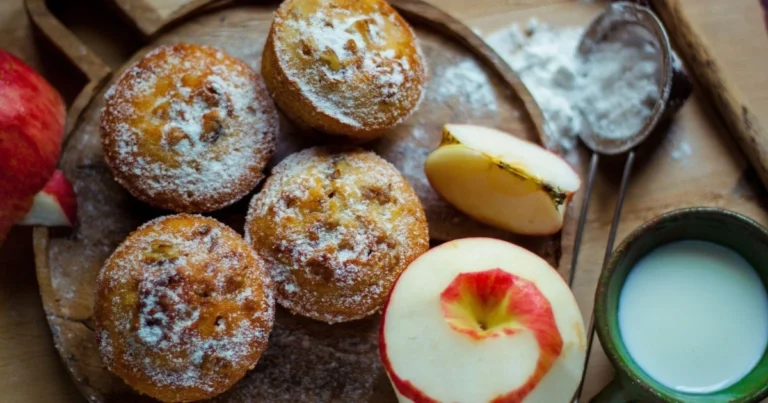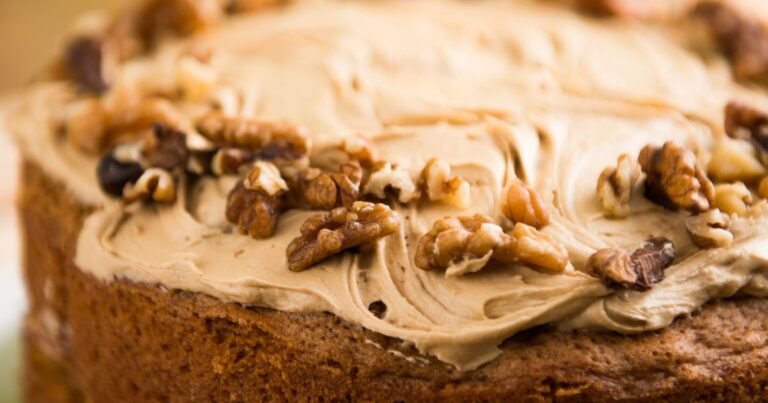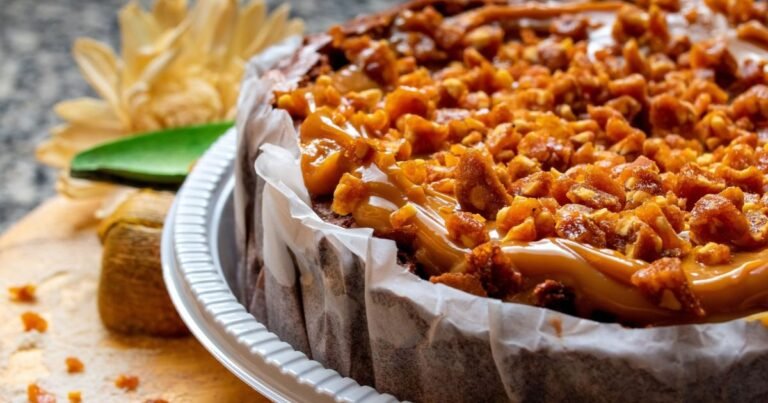
5 Best Tres Leches Cake Recipe: Moist & Creamy
Table of Contents
If you’re still treating tres leches cake like a restaurant-only indulgence, you’re missing out on the easiest showstopper you can make at home. The best tres leches cake recipe isn’t some elaborate French technique or a secret passed down through generations. It’s actually a simple sponge cake that gets its magic from sitting in a bath of three types of milk, then topped with whipped cream and a dusting of cinnamon. Once you understand how the soaking works and why each milk matters, you’ll realize this is less about precision and more about patience. This guide walks you through a tested, foolproof method that delivers the moist, tender crumb and balanced sweetness that makes people ask for seconds.
What Makes A Tres Leches Cake So Irresistibly Moist?tres leches cake recipesWhat Makes A Tres Leches Cake So Irresistibly Moist?
The name itself tells you everything: tres leches means three milks. But moisture alone doesn’t make a great version of this cake. It’s about understanding how a delicate sponge absorbs liquid, how different types of milk contribute different flavors and textures, and why timing matters more than you’d expect.
A traditional sponge cake is already light and airy. It’s built on whipped eggs and minimal fat, which creates tons of tiny air pockets. Those pockets are what make the cake absorbent. When you poke holes in the cooled cake and pour the milk mixture over it, those holes act like highways for the liquid to travel down. The milk seeps into every layer, hydrating the crumb without making it mushy (if you get the timing right). The result is a cake that feels simultaneously tender, moist, and structured, not like a wet sponge or a dense pudding.best tres leches cake recipe
The flavor profile shifts as the milk soaks in. Evaporated milk brings a subtle, deep sweetness and caramel undertone. Condensed milk adds intense sweetness and richness. Heavy cream contributes body and a luxurious mouthfeel. Together, they create a three-part harmony that you can taste when you bite through the cake. The whipped cream topping adds another textural layer and a slight tartness that balances the sweetness of the milk bath.
Understanding The Three-Milk Combination
Each milk plays a specific role, and swapping them out changes everything about how the cake tastes and feels.
Evaporated milk is whole milk with about 60% of its water removed. It’s thicker and more concentrated than regular milk, which means it absorbs more slowly into the cake and delivers a deeper flavor. According to Tastes Better from Scratch, evaporated milk is essential to authentic tres leches because it adds that subtle caramel note that fresh milk cannot replicate. When you use it, the cake takes on a slightly darker, more sophisticated sweetness.best tres leches cake recipe
Condensed milk is sweetened and has even more water removed than evaporated milk. It’s intensely sweet and adds a creamy richness that makes the cake feel indulgent. This is where most of the sweetness in a traditional tres leches comes from. The ratio matters because too much condensed milk and your cake becomes cloyingly sweet; too little and you lose that signature richness.
Heavy cream is the wild card. It’s not a milk at all, technically, but it’s part of the traditional mixture. Heavy cream adds fat, which carries flavor and creates a silkier mouthfeel. It also prevents the cake from becoming too wet and heavy. The cream acts as a buffer, balancing the intensity of the two sweetened milks. Some recipes use whole milk or evaporated milk as a third component instead, but cream is the classic choice and the one that produces the best texture.
The typical ratio is one can of evaporated milk, one can of condensed milk, and one cup of heavy cream. That’s roughly equal parts by volume, which creates a balanced mixture that isn’t too sweet and absorbs at a reasonable pace. If you prefer a less sweet cake, reduce the condensed milk slightly or add more heavy cream.
Why This Recipe Works Better Than Others
Most home cooks encounter tres leches in one of two forms: a boxed cake mix version that’s quick but tastes a bit flat, or an overly complicated scratch recipe that requires tempering eggs or folding in meringue. The gap between “easy enough to make on a weeknight” and “actually tastes like something special” is wider than it should be.
A homemade sponge cake baked from scratch absorbs the milk mixture more evenly than a boxed mix does. Boxed cakes are engineered for shelf stability and contain emulsifiers and stabilizers that can interfere with absorption. They also tend to have a denser crumb, which means the milk doesn’t travel as far into the cake. You end up with a top layer that’s saturated and a bottom layer that’s still dry. A simple scratch sponge, made with just eggs, flour, sugar, baking powder, and vanilla, has an open crumb structure that drinks in the milk uniformly.tres leches recipe
Absorption time also makes a difference. The Pancake Princess tested nine different tres leches recipes and found that recipes recommending only one hour of soaking produced cakes that were unevenly hydrated. Recipes that allowed four to six hours of soaking in the refrigerator produced more consistent results. The best approach is somewhere in the middle: two to four hours in the refrigerator, which gives enough time for even distribution without risking the cake becoming waterlogged.
Texture consistency is where homemade truly shines. When you control every ingredient and understand how each one behaves, you can dial in a crumb that’s tender but not fragile, moist but not soggy. Store-bought mixes don’t give you that control. They’re formulated to work in a wide range of ovens and kitchens, which means they’re optimized for average, not excellent.
What Ingredients Do You Need For Tres Leches Cake?
The ingredient list is shorter than you’d expect for something this impressive. What matters is using quality ingredients and measuring them accurately. Room temperature ingredients mix more evenly, which creates a more uniform crumb. Cold eggs and butter incorporate air less efficiently.
The Cake Base Ingredients
For the sponge cake, you’ll need one cup of all-purpose flour, one cup of sugar, five large eggs (separated), one teaspoon of baking powder, one teaspoon of vanilla extract, and a quarter teaspoon of salt. Some recipes add a tablespoon of milk to the batter, which keeps the crumb slightly more tender, but it’s optional.
Flour provides structure. All-purpose flour has enough protein to support the cake without making it tough. Don’t use cake flour, which is too soft and will produce a crumb that’s too delicate to hold up under the weight of the milk soaking. Don’t use bread flour, which has too much protein and will make the cake dense.
Sugar does more than sweeten. It helps whip air into the egg whites and yolks, creating the lift that makes the sponge light. The sugar also absorbs some of the milk mixture during soaking, which is why the cake stays sweet even though it’s being hydrated constantly.
Eggs are the foundation of the structure. Separated eggs are whipped into two components: the yolks are beaten with sugar until pale and thick, creating a rich base, and the whites are whipped into stiff peaks, creating lift. This two-part method is what gives a sponge cake its characteristic airiness. You cannot skip this step or substitute whole eggs beaten together. The result will be noticeably denser.
Baking powder is your leavening agent. One teaspoon is enough to give the cake a slight rise without making it too cakey or giving it a bitter aftertaste. Salt enhances the vanilla and balances the sweetness of the sugar.
Vanilla extract adds flavor depth. Use pure vanilla, not imitation, if you can. The difference is subtle but noticeable in a cake this simple.
The Three-Milk Mixture Components
You’ll need one 12-ounce can of evaporated milk, one 14-ounce can of sweetened condensed milk, and one cup of heavy cream. This is your soaking mixture, and it’s the heart of the cake. Do not use low-fat condensed milk or evaporated milk. The fat content matters for both flavor and texture. Low-fat versions will produce a thinner, less satisfying result.
Some recipes add a tablespoon of vanilla extract or a splash of rum to the milk mixture, which is a nice touch. If you’re making a traditional version, skip the alcohol. If you’re making a rum version (which is authentic in some regions), add two tablespoons of rum to the milk mixture.tres leches recipe
Evaporated milk and condensed milk are shelf-stable, so you can buy them whenever you shop. Heavy cream should be fresh and cold. Buy it a day or two before you plan to make the cake.
Topping And Garnish Options
The classic topping is whipped cream and cinnamon. You’ll need two cups of heavy cream, three tablespoons of confectioner’s sugar, and one teaspoon of vanilla extract. Whip the cream until soft peaks form (not stiff peaks, which will make it grainy), then fold in the sugar and vanilla. Dust the top with ground cinnamon.
Fresh whipped cream is far superior to canned or pre-made versions. It’s lighter, tastes fresher, and has a better texture. Make it the day you serve the cake or the morning of, not a day ahead. Whipped cream breaks down over time and will separate if it sits too long.
Maraschino cherries are traditional, especially if you’re making this for a special occasion. Place one cherry in the center of each slice. They add a pop of color and a slight tartness that cuts through the sweetness.
Fresh fruit alternatives work beautifully too. Sliced strawberries, raspberries, or thin slices of fresh mango all pair well with the creamy, milky cake. Avoid very wet fruits like watermelon, which will release too much liquid and make the topping soggy.
Some cooks garnish with toasted coconut flakes, especially if they’ve added coconut milk to the three-milk mixture. A light drizzle of dulce de leche is another option that adds richness without overwhelming the cake.
How Do You Make Tres Leches Cake From Scratch?
The process breaks into three phases: preparing the sponge cake, creating and applying the milk mixture, and assembling with whipped cream. Each phase has specific timing and technique requirements that, when followed, produce consistently excellent results.
Preparing The Sponge Cake
Preheat your oven to 350 degrees Fahrenheit. Grease a 9-by-13-inch baking dish with butter or cooking spray, then line the bottom with parchment paper. The parchment makes it easier to remove the cake after baking.
Separate your five eggs. This step matters. Yolks and whites have different properties, and separating them allows you to whip each to its ideal consistency. Put the yolks in one bowl and the whites in another. Make sure there’s no yolk in the whites, even a tiny bit of yolk will prevent the whites from whipping to stiff peaks.
In a large bowl, beat the egg yolks with three-quarters of a cup of sugar until the mixture is pale yellow and thick, about three to four minutes. This is the ribbon stage, where the mixture falls from the beaters in thick ribbons. Add one teaspoon of vanilla extract and beat for another thirty seconds.
In a separate bowl, whip the egg whites with a quarter teaspoon of salt until stiff peaks form. This takes about three to five minutes with an electric mixer. The whites should be glossy and hold their shape when you lift the beaters.
Sift together one cup of flour, one teaspoon of baking powder, and a pinch of salt. Sifting aerates the flour and prevents lumps, which helps create an even crumb.
Gently fold the flour mixture into the yolk mixture using a rubber spatula. Fold, don’t stir. Folding preserves the air you’ve whipped into the batter. Stir and you’ll deflate it. Once the flour is mostly incorporated, fold in the whipped egg whites in two additions, being careful not to overmix. The batter should be light and fluffy, with no visible streaks of white, but not overworked.
Pour the batter into your prepared baking dish and smooth the top. Bake for twenty-five to thirty minutes, until a toothpick inserted in the center comes out clean or with just a few moist crumbs. The cake should spring back when you gently press it with your finger.
Remove the cake from the oven and let it cool to room temperature on a wire rack. This takes about an hour. Do not skip this step. If you apply the milk mixture to a warm cake, the liquid will evaporate faster and you’ll get uneven absorption. Room temperature cake absorbs the milk evenly and slowly.
Creating And Applying The Milk Mixture
While the cake cools, prepare the three-milk mixture. Pour one 12-ounce can of evaporated milk, one 14-ounce can of sweetened condensed milk, and one cup of heavy cream into a bowl. Stir until combined. If you’re adding vanilla or rum, add it now. The mixture should be smooth and uniform. This is your soaking liquid.
Once the cake is completely cool, use a fork to pierce the entire top of the cake. Make small holes all over, spacing them about an inch apart. Don’t press down hard enough to tear the cake, just hard enough to create small punctures. These holes are highways for the milk to travel down. According to Pati Jinich, who specializes in traditional Mexican recipes, this step is essential for even absorption.
Slowly pour the milk mixture over the entire surface of the cake, starting from one corner and working your way across. Pour it evenly so every part of the cake gets the same amount of liquid. You might think you’re pouring too much, but the cake will absorb it all. If you’re worried, pour half the mixture, wait five minutes, then pour the rest.
Cover the cake with plastic wrap and refrigerate for at least two hours. Four hours is ideal. Do not skip the refrigeration. The cold temperature slows down the absorption process, which gives the liquid time to distribute evenly throughout the cake. Overnight soaking is fine too. The cake will not become soggy if you’ve used the proper ratio of milk to cake and you’ve given it enough time to fully absorb.
Assembling With Whipped Cream And Toppings
Remove the cake from the refrigerator. If there’s any liquid pooling on top, gently tilt the pan and drain it off. This is normal and doesn’t mean anything went wrong.
Make your whipped cream topping. In a chilled bowl, pour two cups of heavy cream. Using an electric mixer or a whisk, whip the cream until soft peaks form. This means the cream holds its shape but the peaks curl over slightly when you lift the beaters. Do not overwhip, or the cream will become grainy and eventually turn to butter.
Fold in three tablespoons of confectioner’s sugar and one teaspoon of vanilla extract. Fold gently so you don’t deflate the whipped cream.
Spread the whipped cream evenly over the top of the cooled cake. You can use an offset spatula or the back of a spoon. Don’t worry about making it perfect. Rustic looks intentional and tastes the same as smooth.
Dust the top generously with ground cinnamon. Use a fine sieve or a cinnamon shaker so the cinnamon distributes evenly. Garnish with maraschino cherries or fresh fruit if you like.
Refrigerate until you’re ready to serve. The cake actually tastes better after a few hours in the refrigerator, as the flavors meld and the texture becomes more cohesive. Serve chilled or at cool room temperature. Cut into squares and serve directly from the baking dish, or use a spatula to transfer individual slices to plates.
Can You Use Cake Mix For Tres Leches Cake?
The honest answer is yes, you can use cake mix, and the result will be edible and reasonably good. But it won’t be as good as a cake made from scratch, and the difference is noticeable enough that it’s worth the extra twenty minutes of effort to make a sponge cake from scratch. That said, if you’re in a time crunch or baking for the first time, a boxed mix is a legitimate shortcut.
According to AllRecipes, yellow cake mix and three types of milk can work for a quick-prep version, especially when reviewers chill overnight to let the flavors meld. The texture will be slightly denser and the flavor slightly less nuanced, but the cake will still be moist and satisfying. The key is making adjustments to the mix itself so it tastes less like a box cake and more like something intentional.
Best Cake Mix Brands To Use
Not all cake mixes absorb milk equally. Yellow cake mixes tend to work better than white or vanilla mixes because they have a slightly more robust flavor that stands up to the milk soaking. Avoid dark chocolate or devil’s food mixes unless you’re specifically making a chocolate tres leches, as the cocoa can make the cake taste muddy when combined with the milk mixture.
Look for mixes that list actual ingredients like eggs and oil in the directions, rather than just water. These mixes have slightly more fat and structure, which helps them absorb the milk without falling apart. Generic store brands work fine, but name brands like Duncan Hines or Pillsbury tend to be more consistent.
If you can find a mix that includes pudding (like a butter pecan cake mix with pudding), even better. The pudding adds richness and helps the cake absorb the milk more evenly.
Adjustments To Make Boxed Mix Taste Homemade
Follow the box directions, but make these changes: use melted butter instead of oil, add one extra egg beyond what the box calls for, and replace some of the water with whole milk. If the box calls for one cup of water, use half a cup of water and half a cup of whole milk.
Add two teaspoons of vanilla extract instead of the amount called for on the box. Vanilla is cheap and makes a huge difference in how homemade the cake tastes.
If you have access to sour cream, fold in half a cup after mixing the batter. The sour cream adds tang and moisture, which makes the cake more tender and more capable of absorbing the three-milk mixture evenly.
Bake according to the box directions, but start checking for doneness a few minutes early. Boxed cakes can dry out quickly in some ovens. You want the cake to be moist, not overdone.
After the cake cools, poke it with a fork just like you would with a scratch cake, then apply the three-milk mixture. The rest of the process is identical. The whipped cream topping and soaking time will mask most of the boxed-cake flavor, and the result will be acceptable if not outstanding.
What Are Common Mistakes When Making Tres Leches Cake?
Tres leches is forgiving, but there are specific mistakes that produce noticeably worse results. Knowing what to avoid and how to fix problems when they occur will save you from disappointment.
Moisture And Texture Problems
The most common mistake is over-soaking the cake. If you leave the milk mixture on the cake for longer than six hours, or if you use too much liquid, the cake can become waterlogged and lose its structure. It will taste mushy rather than moist. The fix is to reduce soaking time to two to four hours, which is the sweet spot for even absorption without oversaturation.
The opposite problem is under-soaking, which leaves the cake dry in the middle and saturated only on top. This happens when you don’t poke enough holes in the cake or when you use too little milk mixture. The fix is to poke the entire surface of the cake with a fork, spacing the holes about an inch apart, and to use the full amount of milk mixture called for in the recipe. If your cake is already under-soaked, you can salvage it by making a small batch of extra milk mixture and carefully pouring it over the dry sections, then refrigerating for another hour or two.
Uneven moisture distribution is another common issue. This happens when you pour the milk mixture too quickly or all in one spot. The fix is to pour slowly and evenly across the entire surface of the cake, starting from one corner and working your way across in a steady stream. Some bakers like to pour half the mixture, wait a few minutes for it to soak in, then pour the rest. This two-step method helps ensure even distribution.
If the whipped cream topping separates or breaks down, it means the cream was overwhipped or the cake was too warm when you applied the topping. Whip cream only to soft peaks, not stiff peaks. Make sure the cake has cooled completely after soaking before you add the whipped cream. If the topping breaks, you can make fresh whipped cream and replace it.
Preparation And Baking Errors
Oven temperature accuracy is crucial. If your oven runs hot, the cake will bake too quickly and the outside will be done before the inside is cooked through. If your oven runs cold, the cake will bake slowly and might dry out. Use an oven thermometer to check your actual oven temperature. If it’s off by more than 25 degrees, adjust accordingly. Most ovens have a calibration dial you can adjust, or you can simply set the oven 25 degrees lower or higher than the recipe calls for.
Ingredient temperature matters more than people realize. Eggs and butter should be at room temperature when you start mixing. Cold eggs won’t whip to the proper volume, which means less air in the batter and a denser cake. Cold butter won’t incorporate evenly. Let these ingredients sit on the counter for thirty minutes before you start baking.
Overmixing the batter is another common error. Once you’ve folded in the egg whites, stop mixing. Every additional fold deflates the air you’ve worked so hard to incorporate. The batter should look light and fluffy, with no visible streaks of white egg white, but that’s the point to stop. Keep a light hand and trust the process.
Not sifting the flour is a mistake that’s easy to make but noticeable in the final product. Sifting aerates the flour and removes lumps, which helps create an even crumb. It takes thirty seconds and makes a real difference. Do not skip this step.
How Long Can You Store Tres Leches Cake?
Tres leches is actually one of the best cakes for make-ahead baking because the flavors improve as the cake sits. The milk and cream meld together, and the cake becomes more cohesive and flavorful. You can make it a day or two in advance, which is perfect for entertaining.
Refrigerator Storage Guidelines
Tres leches cake keeps in the refrigerator for three to five days. After five days, the cake starts to break down and the texture becomes less pleasant. The whipped cream topping lasts about three days before it starts to separate.
Cover the cake tightly with plastic wrap or transfer it to an airtight container. Exposure to air will dry out the top layer and the whipped cream will absorb odors from other foods in the refrigerator. If you’ve already sliced the cake, cover the cut edges with plastic wrap as well.
The cake actually tastes better on day two or three than it does on the day you make it. The flavors have more time to meld, and the texture becomes more uniform. If you’re making this for a special occasion, bake it two days in advance, apply the milk mixture and refrigerate overnight, then add the whipped cream topping the next morning.
Serve the cake cold or at cool room temperature. It’s too rich to eat at room temperature for extended periods, as the whipped cream will start to melt. If the cake has been sitting out for more than thirty minutes, return it to the refrigerator.
Freezing And Thawing Instructions
Tres leches cake freezes well, though the texture changes slightly. Freeze the cake without the whipped cream topping. Wrap it tightly in plastic wrap, then place it in an airtight container or freezer bag. Properly wrapped, the cake will keep in the freezer for up to three months.
To thaw, transfer the cake from the freezer to the refrigerator and let it thaw overnight. Do not thaw at room temperature, as this can cause condensation to form on the cake, making it soggy. Once thawed, the texture will be slightly less tender than a freshly made cake, but it will still be good. Add fresh whipped cream topping just before serving.
If you prefer, you can freeze the cake with the whipped cream topping already applied. The whipped cream will freeze solid, and you can transport the cake easily without worrying about the topping shifting. Thaw in the refrigerator the same way. The whipped cream will soften as the cake thaws, and the texture will be fine, though not quite as fluffy as fresh whipped cream.
What Variations Can You Make To This Recipe?
The basic three-milk sponge cake structure is flexible enough to accommodate dozens of flavor variations. Once you understand how the cake absorbs the milk mixture, you can experiment with different milks, different flavorings, and different toppings.
Flavor Profile Variations
A coffee-infused version starts with the same sponge cake, but you dissolve one tablespoon of instant espresso powder in the milk mixture before applying it to the cake. The coffee flavor is subtle and sophisticated, and it doesn’t make the cake taste like dessert coffee. It makes the sweetness of the condensed milk feel more balanced.
For a chocolate tres leches, replace half a cup of the heavy cream with half a cup of chocolate milk or add two tablespoons of cocoa powder to the milk mixture. Stir until the cocoa is fully dissolved. Use a chocolate sponge cake base instead of vanilla. Top with chocolate whipped cream (made by adding one tablespoon of cocoa powder to the whipped cream) and chocolate shavings instead of cinnamon.
A rum-soaked traditional version is authentic in Latin American cooking. Add two to three tablespoons of dark rum to the milk mixture. The rum adds depth and a slight warmth that complements the sweetness of the condensed milk. This version is for adults only and has a noticeable alcohol flavor, so use it when appropriate.
Coconut milk can replace some or all of the heavy cream in the mixture. Use one cup of full-fat coconut milk instead of heavy cream. The cake will taste more tropical and slightly less rich. Top with toasted coconut flakes and fresh pineapple or mango for a complete tropical variation.
For an alcohol-free version that still has depth, add one tablespoon of vanilla extract or one teaspoon of almond extract to the milk mixture. Both add complexity without alcohol.
Dietary And Ingredient Modifications
A dairy-free version uses canned coconut milk and oat cream instead of the three traditional milks. Use one can of coconut milk, one can of sweetened coconut condensed milk (available at most grocery stores), and one cup of oat cream. The texture will be slightly different because dairy-free options don’t whip quite as firmly as real cream, but the cake will still be delicious. Top with dairy-free whipped cream made from coconut cream.
For a gluten-free version, replace the all-purpose flour with a one-to-one gluten-free flour blend. The cake will be slightly denser, but the soaking will mask this because the milk will hydrate the crumb fully. Make sure your baking powder is certified gluten-free.
A sugar-reduced version uses half the sugar in the cake and replaces the condensed milk with a sugar-free sweetened condensed milk alternative. The cake won’t be as sweet, but it will still be satisfying. The milk mixture might need an extra teaspoon of vanilla extract to add depth.
A vegan adaptation uses aquafaba (the liquid from a can of chickpeas) instead of eggs in the sponge cake, dairy-free milk alternatives in place of the three milks, and coconut cream instead of heavy cream in the topping. The result is less traditional but still good. Aquafaba whips to stiff peaks just like egg whites, so the sponge cake will have good structure.
Why This Tres Leches Recipe Delivers The Best Results
The key difference between this version and others you’ll find is the balance between simplicity and precision. The sponge cake base is straightforward, with no complicated techniques or unusual ingredients. The three-milk mixture follows traditional proportions that have been tested across hundreds of kitchens. The soaking time is moderate, which means you get even absorption without the risk of over-saturation. The whipped cream topping is made fresh, which tastes infinitely better than canned or store-bought versions.
This recipe also respects the reader’s time. You don’t need specialized equipment beyond a mixer and a baking dish. You don’t need to hunt for obscure ingredients or make substitutions. Every ingredient is available at any grocery store. The total hands-on time is about thirty minutes, and the rest is waiting, which you can do while you do other things.
Serving suggestions matter too. Serve the cake cold, in a quiet moment, with nothing competing for attention. The flavors are delicate and deserve to be tasted. If you’re serving it at a gathering, cut slices just before serving so the whipped cream doesn’t break down from sitting out. Pair it with a cup of strong coffee, which echoes the sweetness of the cake and provides a slight bitter contrast. Or serve it with a cold glass of milk, which sounds simple but is actually perfect.
The real test of a recipe is whether you’ll make it again. This version passes that test because it’s reliable, it tastes genuinely good, and it doesn’t require you to be an experienced baker or a perfectionist. Make it once, and you’ll understand why tres leches is a beloved dessert across Latin America and beyond. Make it twice, and you’ll have enough confidence to experiment with variations. Make it a few times, and you’ll stop consulting the recipe and start cooking from memory. That’s when you know a recipe has truly become yours.
Frequently Asked Questions
Can I Make Tres Leches Cake Without Evaporated Milk?
Evaporated milk is traditional and provides a specific caramel-like depth that’s hard to replicate. However, you can substitute it with whole milk if necessary. Use one cup of whole milk in place of the evaporated milk, though the flavor will be slightly less complex. The texture will still be good because the condensed milk and heavy cream provide richness.
How Do I Know When The Cake Is Fully Soaked?
The cake is fully soaked when you press the top gently with your finger and liquid doesn’t come up to the surface. The cake should feel moist but not soggy. At two to four hours of refrigeration, the cake should reach this point. If you’re unsure, refrigerate for the full four hours rather than pulling it out early.
Can I Make Tres Leches Cake In Advance For A Party?
Yes, tres leches is excellent for make-ahead baking. Make the cake and apply the milk mixture up to two days in advance, then refrigerate. Add the whipped cream topping the morning of the party or just before serving. This approach actually improves the flavor because the cake has more time for the flavors to meld.
What’s The Difference Between Evaporated And Condensed Milk?
Evaporated milk has about 60 percent of its water removed but is not sweetened. Condensed milk has the same water content removed but has sugar added, making it very sweet. Both are shelf-stable, but they serve different purposes in the recipe. You need both for traditional tres leches.
Can I Use Almond Milk Or Other Non-Dairy Milk For Tres Leches?
Regular almond milk doesn’t work well because it’s too thin and watery. However, full-fat coconut milk, oat cream, or cashew cream can work as substitutes. Use the same proportions as the traditional recipe. The flavor will be slightly different, but the cake will still be moist and delicious.
Why Does My Tres Leches Cake Taste Too Sweet?
Tres leches is naturally sweet because it’s made with condensed milk and heavy cream. If you find it too sweet, reduce the condensed milk to three-quarters of a can and add an extra quarter cup of heavy cream or evaporated milk. You can also add one tablespoon of fresh lime juice or lemon juice to the milk mixture to add brightness and cut through the sweetness.
Can I Make Tres Leches Cake In A Springform Pan?
A springform pan works, but you’ll need to be careful when removing the cake because it’s very moist. Line the bottom with parchment paper and wrap the outside of the pan with plastic wrap before refrigerating to prevent leaks. Let the cake chill for the full time before removing the sides of the pan.
How Do I Transport Tres Leches Cake Without The Whipped Cream Getting Ruined?
Transport the cake without the whipped cream topping. Keep it covered in the refrigerator, and add the whipped cream and garnish just before serving. If you absolutely must transport it with the topping, freeze the whipped cream first so it holds its shape, then transport it in a cake carrier or a sturdy box placed on a flat surface in your car.