5 Tres Leche Cake: What It Is and How to Make It
Table of Contents
The difference between a forgettable cake and one your guests ask for by name comes down to three things: evaporated milk, sweetened condensed milk, and heavy cream. That’s not poetry. That’s the actual physics of why tres leches cake tastes like nothing else. Most cakes sit on your tongue and dry out. This one absorbs moisture and stays impossibly tender for days. You soak it, you chill it, and then you frost it. That’s the whole game.tres leche cake
A tres leche cake isn’t complicated, but it demands precision. The sponge has to be light enough to absorb liquid without collapsing. The milk mixture has to hit a specific sweetness ratio or the cake becomes a pudding cup. The whipped cream topping has to stay stable. Get these three things right, and you’ve got a dessert that tastes expensive, looks elegant, and actually stays moist in the fridge for three days straight. That last part alone makes it worth learning.
What Is Tres Leches Cake and Why Is It So Popular?
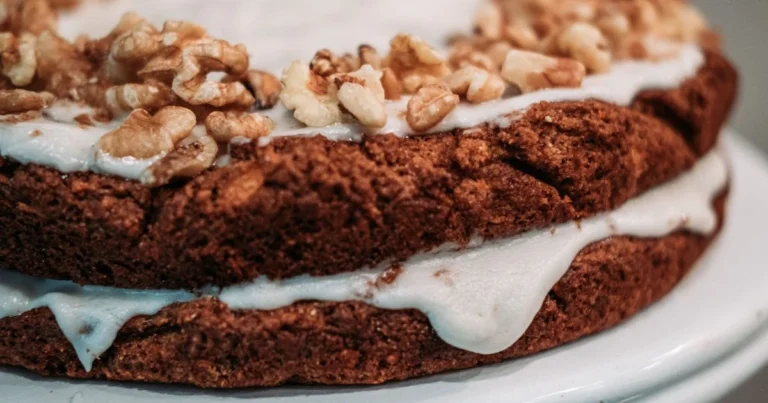
Tres leches translates to “three milks,” and that’s exactly what you’re working with. This is a Latin American dessert, born in Mexico and adopted across Central and South America, that fundamentally changed how people think about cake texture. While American layer cakes rely on frosting to add moisture, tres leches builds moisture into the cake itself. You bake a light sponge, then you soak it with a mixture of three different dairy products. The result is something that tastes rich without being heavy, sweet without being cloying, and stays tender for days.tres leche cake
The flavor profile sits somewhere between a traditional cake and a custard. It’s not as dense as flan. It’s not as airy as angel food. It’s a middle ground that somehow works better than either extreme. People love it because it’s impressive but approachable. You can serve it at a formal dinner or a backyard gathering, and it lands the same way in both contexts.
The Three Milks Explained
Each milk plays a specific role. Evaporated milk provides body and a subtle caramelized note. It’s milk that has been heated until about half the water content evaporates, leaving behind a thicker, more concentrated product. Sweetened condensed milk adds sweetness and richness. It’s thick, syrupy, and packed with sugar. Heavy cream rounds out the mixture with fat and a luxurious mouthfeel. Together, they create a liquid that soaks into the sponge cake and transforms it from dry to impossibly moist.tres leche cake
The ratio matters. Too much condensed milk and the cake becomes cloyingly sweet. Too much evaporated milk and you lose sweetness. The cream provides structure and prevents the whole mixture from being thin and runny. Think of it as a three-part balance. You need all three to work, and they only work when they’re in the right proportions.
The magic part is what happens when this mixture hits a warm cake. The heat opens up the crumb structure, and the liquid seeps in fast. By the time the cake cools, it’s absorbed everything. The sponge becomes almost squishy, but not in a bad way. It’s tender. It holds together. It tastes like it was made yesterday even if you made it three days ago.tres leche cake
How Tres Leches Differs from Regular Cake
A traditional frosted cake relies on a barrier. The frosting sits on top and tries to seal in moisture. But the cake itself is still relatively dry. You frost it, you serve it quickly, and if you wait too long, the texture gets stale. Tres leches inverts this logic. The cake itself is the moist part. The whipped cream topping is light and barely sweetened. The cake is what you remember.
The preparation method is also different. With a regular cake, you bake it, let it cool, then frost it. With tres leches, you bake it, let it cool slightly, then immediately soak it with the milk mixture. You’re working against the clock before the cake gets too cold to absorb the liquid properly. Temperature is your ally here, not your enemy.
The texture difference is the biggest sell. A regular cake has a defined crumb. You can slice it cleanly. Tres leches is softer, almost custard-like in places. It doesn’t crumble. It doesn’t dry out. It stays consistent from day one to day three. That’s the real advantage. You can make this cake a day or two ahead without worrying about it getting worse.
What Ingredients Do You Need for This Recipe?
Here’s what goes into a solid tres leches cake. You’re building two things: the sponge base and the milk mixture. Both need specific ingredients, and substitutions matter more than you’d think.
Cake Ingredients and Substitutions
For the sponge, you need all-purpose flour, eggs, sugar, baking powder, salt, and butter. One cup of flour, five eggs (separated), three-quarters cup of sugar, one and a half teaspoons of baking powder, a quarter teaspoon of salt, and four tablespoons of butter. These aren’t random numbers. The ratio of eggs to flour creates the right crumb structure. Too many eggs and the cake gets rubbery. Too few and it won’t absorb the milk mixture properly.
The separation of eggs matters. Egg whites get whipped into stiff peaks and folded in last. This creates air pockets that let the milk seep through later. Egg yolks get beaten with sugar to create richness and structure. It’s a two-step process that takes five extra minutes but changes everything.
If you want to skip the from-scratch route, use a vanilla or French vanilla cake mix. It saves time and produces nearly identical results. The sponge cake mix creates a lighter crumb than a dense chocolate or butter cake mix, so stick with vanilla. Bake it per the package instructions, usually around 350 degrees for 25 to 30 minutes. The rest of the process stays exactly the same.
The Milk Mixture and Toppings
The three-milk mixture needs one can of evaporated milk, one can of sweetened condensed milk, and one cup of heavy cream. That’s your baseline. Some recipes add a splash of vanilla extract or a tablespoon of rum. The vanilla adds subtle depth. The rum is optional but traditional in many Latin American versions.
For the topping, you need two cups of heavy cream, three tablespoons of powdered sugar, and one teaspoon of vanilla extract. Whip these together until soft peaks form, not stiff peaks. You want the cream to hold its shape but still feel light and airy.
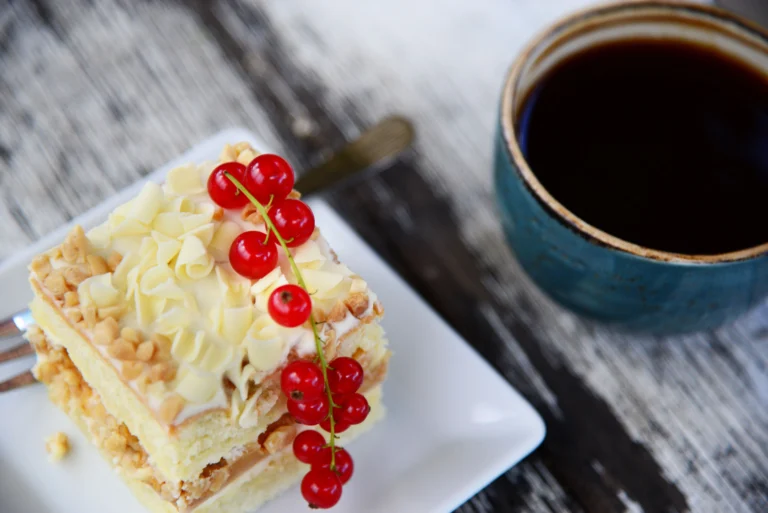
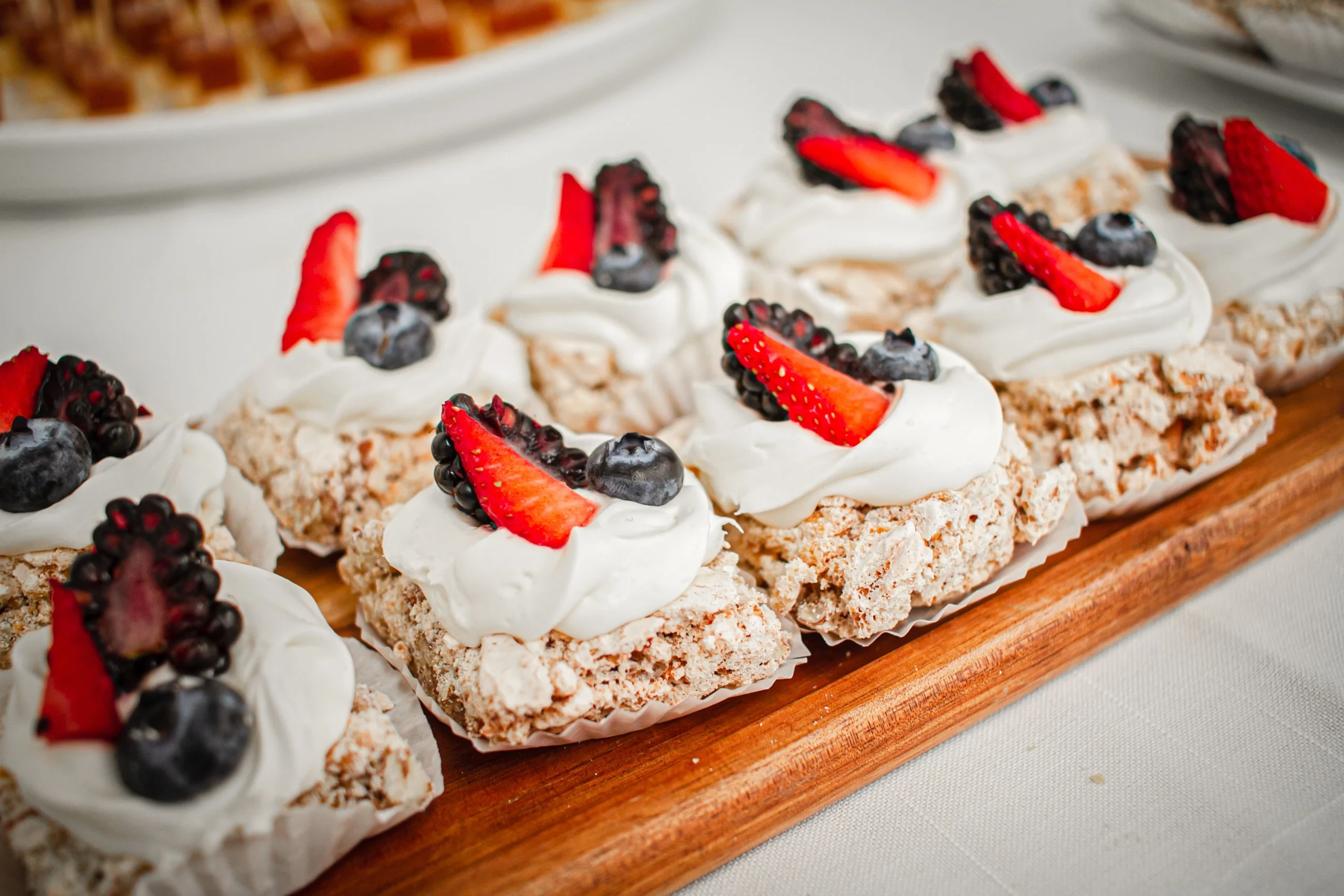
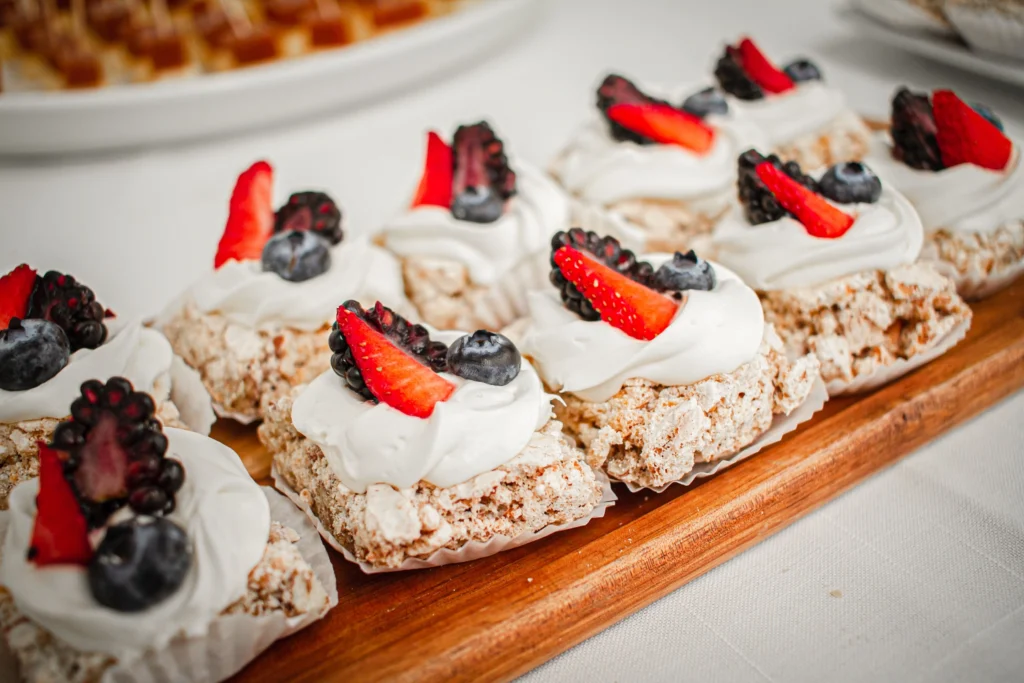
Garnishes are your finishing touch. Cinnamon sprinkled on top is traditional. Fresh berries add color and brightness. Some people add toasted coconut flakes or chocolate shavings. These aren’t required, but they make the cake look intentional and elegant.
How Do You Make Tres Leches Cake from Scratch?
The process breaks into three clear phases: baking the sponge, creating the milk mixture, and assembling the final cake. Each phase has its own timing and temperature requirements.
Preparing and Baking the Sponge Cake
Start by creaming four tablespoons of butter with three-quarters cup of sugar. Beat them together for two to three minutes until the mixture is pale and fluffy. This step incorporates air, which creates lift in the oven. Don’t skip it or rush it.
Add the five egg yolks one at a time, beating after each addition. This takes about two minutes total. The mixture should look thick and ribbon-like when you’re done. In a separate bowl, whisk together one cup of flour, one and a half teaspoons of baking powder, and a quarter teaspoon of salt. Fold this dry mixture into the wet mixture in two additions. Use a spatula and fold gently. You’re trying to keep the air in.
In yet another bowl, beat the five egg whites until stiff peaks form. This takes about three to four minutes with an electric mixer. Fold the egg whites into the batter in two additions. Again, be gentle. You’re not trying to deflate what you just whipped up.
Pour the batter into a greased 9-by-13-inch baking pan. Bake at 350 degrees for 25 to 30 minutes. The cake is done when a toothpick inserted in the center comes out clean and the top springs back when you touch it. Don’t overbake. The cake should be moist but fully set.
Let the cake cool for about 10 minutes. This is critical timing. If you soak it while it’s too hot, the milk will cook the top layer. If you wait too long, the cake gets too cold to absorb the mixture properly. Ten to 15 minutes is the sweet spot.
Creating the Perfect Three-Milk Mixture
While the cake cools, combine one can of evaporated milk, one can of sweetened condensed milk, and one cup of heavy cream in a bowl. Whisk them together until fully combined. The mixture should be smooth and uniform. If you’re adding vanilla or rum, do it now. One teaspoon of vanilla or one tablespoon of rum is plenty.
Don’t overthink this part. The milks will naturally combine. You’re just making sure there are no pockets of one type of milk separated from another. The mixture should be room temperature or slightly warm. Cold milk won’t absorb into the warm cake as effectively.
Soaking, Cooling, and Frosting Technique
Take a fork and pierce the entire surface of the warm cake. You want holes everywhere, roughly half an inch apart. This is what lets the milk seep in. Don’t be timid. Poke dozens of holes. The cake is sturdy enough to handle it.
Slowly pour the milk mixture over the entire cake. It will look like it’s too much liquid at first. That’s normal. The cake will absorb it as it cools. Pour it all in. Don’t save any. Let the cake sit at room temperature for 15 to 20 minutes, then transfer it to the refrigerator. Let it chill for at least four hours, ideally overnight. This gives the cake time to fully absorb the liquid and for the flavors to marry.
When you’re ready to frost, whip two cups of heavy cream with three tablespoons of powdered sugar and one teaspoon of vanilla extract until soft peaks form. Spread this evenly over the chilled cake. You can smooth it flat or create peaks and swirls. Garnish with cinnamon, fresh berries, or whatever you choose. The cake is now ready to serve.
Can You Make Tres Leches Cake Using Cake Mix?
Yes, and it’s not cheating. A box mix tres leches tastes almost identical to a from-scratch version. The only difference is you’re not making the sponge yourself. Everything else is exactly the same.
Step-by-Step Cake Mix Method
Bake a vanilla or French vanilla cake mix according to package directions. Most box mixes call for 350 degrees for 25 to 30 minutes in a 9-by-13-inch pan. Let it cool for 10 to 15 minutes, then proceed exactly as you would with a from-scratch cake. Pierce the entire surface with a fork, pour the three-milk mixture over it, and let it chill overnight.
The beauty of the cake mix method is that it’s faster and more forgiving. The commercial sponge is already optimized for absorption. It’s lighter and airier than many home-baked versions. You get all the tres leches experience without the technical skill required to make a perfect sponge from scratch.
Best Cake Mix Brands and Flavor Choices
Stick with vanilla or French vanilla mixes. These create the neutral base that lets the three-milk mixture shine. Avoid chocolate or butter cake mixes. Chocolate competes with the delicate milk flavor. Butter cake mix is denser and won’t absorb the liquid as effectively.
Most major brands produce similar results. The difference between them is minimal. Pick whatever is on sale or what you have on hand. The milk mixture is where the flavor comes from anyway.
What Are Common Mistakes to Avoid?
Most tres leches failures come from one of five problems: over-soaking, under-soaking, wrong milk ratios, skipping cooling time, or not piercing the cake properly. Each one changes the final texture in a noticeable way.
Texture and Moisture Issues
Over-soaking creates a mushy, pudding-like cake that falls apart when you slice it. This happens when you use too much milk mixture or let the cake sit in the fridge for more than three or four days. The milk keeps breaking down the crumb structure. The solution is simple: use the exact amount of liquid in the recipe and serve the cake within three days.
Under-soaking creates a dry cake that doesn’t taste like tres leches at all. This happens when you don’t pierce the cake enough, let it get too cold before soaking it, or use too little milk mixture. The cake needs to absorb most of the liquid. If it sits on top instead of soaking in, you’ve got a problem. Pierce aggressively. Use the full amount of milk. Don’t chill the cake before soaking it.
The hole-piercing technique is more important than people think. Use a fork or a small wooden skewer and make holes roughly half an inch apart across the entire surface. The holes should go about halfway down the cake, not all the way through. This creates pathways for the milk to travel through the crumb without compromising the structural integrity of the cake.
Flavor and Assembly Mistakes
Curdled whipped cream happens when you overwhip the topping. Heavy cream goes from whipped to grainy to butter if you keep beating it. Whip it until soft peaks form, then stop. Soft peaks means the cream holds a shape but still looks creamy and smooth. If you see any grainy texture, you’ve gone too far.
A flat sponge cake usually means you didn’t separate and whip the egg whites properly. The egg whites create lift. If you skip that step or don’t whip them to stiff peaks, the cake bakes dense. A dense cake doesn’t absorb the milk mixture as effectively. It becomes heavy instead of tender.
Temperature matters throughout. The cake needs to be warm when you soak it. The milk mixture works better at room temperature or slightly warm. The whipped cream needs to go on a fully chilled cake or it will melt into the warm sponge. Get the temperature sequence right and everything else falls into place.
How Should You Store and Serve Tres Leches Cake?
Tres leches is actually easier to store than most cakes because it’s already moist. You don’t have to worry about it drying out. You do have to worry about it getting too soft or developing off flavors.
Storage Best Practices
Keep the cake covered in the refrigerator. A plastic wrap cover or an airtight container both work. The cake lasts three to four days in the fridge. After that, the texture starts to degrade. The sponge gets mushier. The milk mixture starts to separate slightly. It’s still safe to eat, but it’s not at its best.
Never leave tres leches at room temperature for more than two hours. The whipped cream topping will start to melt, and the milk mixture can encourage bacterial growth. This is a refrigerated dessert from the moment you finish it.
Freezing is possible but not ideal. The cake freezes well for up to two months, but the texture changes slightly when it thaws. The whipped cream gets watery. The sponge gets dense. If you need to freeze it, do it before adding the whipped cream topping. Freeze the soaked cake, then add the frosting after it thaws.
Serving Suggestions and Garnishes
Serve the cake straight from the refrigerator. It should be cold and firm enough to slice cleanly. Use a sharp knife dipped in hot water and wiped dry between cuts. This prevents the knife from dragging and tearing the delicate sponge.
Plate each slice on a chilled plate if possible. The contrast between the cold cake and a room-temperature plate is minimal, but it keeps the cake from warming up too quickly. A small dollop of extra whipped cream on the side never hurts.
Garnish with fresh berries, a sprinkle of cinnamon, toasted coconut flakes, or a small mint leaf. These add color and visual interest. Cinnamon is traditional. Berries add brightness. Coconut adds tropical notes. Pick one garnish and commit to it across all slices so the presentation looks intentional.
What Variations Can You Try on This Classic Recipe?
The three-milk structure is flexible. You can swap flavors while keeping the core technique exactly the same.
Fruit and Flavor Variations
Strawberry tres leches uses strawberry puree mixed into the milk mixture. Blend fresh or frozen strawberries and strain out the solids, then add the puree to your three-milk mixture. Use slightly less heavy cream to account for the extra liquid from the berries.
Coconut tres leches swaps part of the heavy cream for coconut milk. Use three-quarters cup of heavy cream and one-quarter cup of coconut milk. Add a teaspoon of coconut extract if you want more coconut flavor. Garnish with toasted coconut flakes.
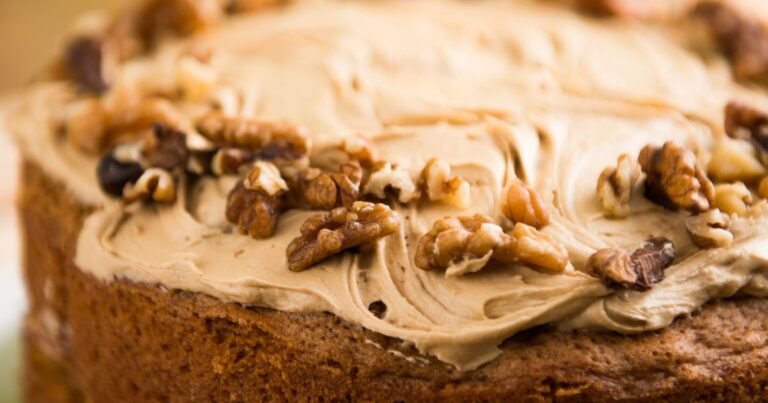
Coffee tres leches adds espresso powder or strong brewed coffee to the milk mixture. Two tablespoons of espresso powder dissolved in the heavy cream before mixing, or one-quarter cup of cold strong coffee replacing one-quarter cup of the heavy cream. The coffee flavor is subtle but noticeable.
Rum or Kahlúa tres leches adds one to two tablespoons of alcohol to the milk mixture. Rum is traditional. Kahlúa adds coffee and chocolate notes. The alcohol adds depth without making the cake taste boozy. It’s optional, but it’s a classic variation in Latin American versions of the recipe.
Topping and Presentation Ideas
Meringue instead of whipped cream creates a more formal presentation. Make a simple meringue with egg whites and sugar, spread it over the chilled cake, and toast it lightly with a kitchen torch. It’s more dramatic than whipped cream and holds its shape better at room temperature.
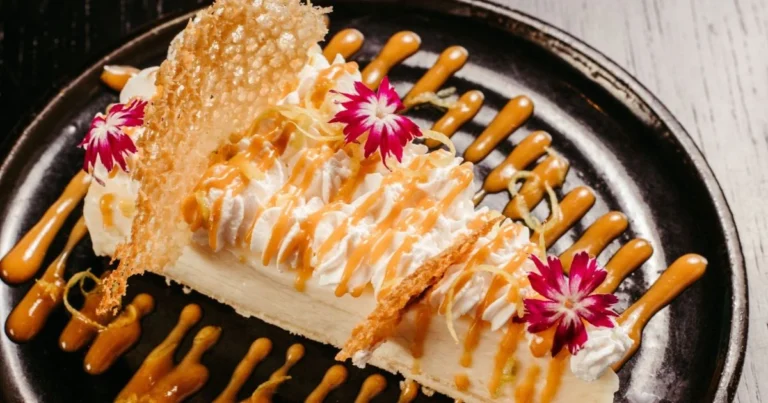
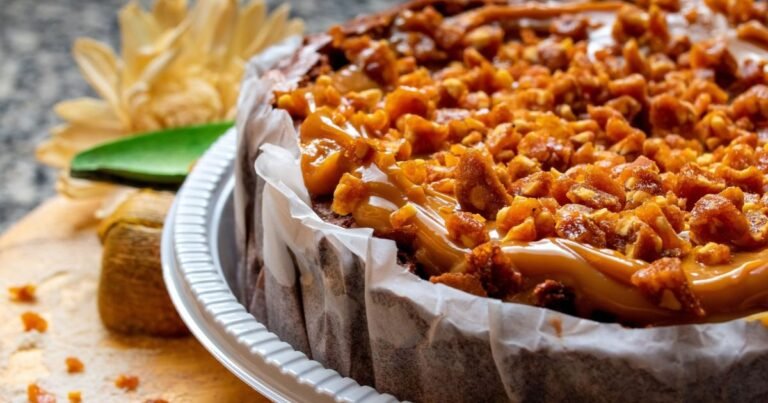
A dulce de leche drizzle adds caramel notes. Drizzle store-bought dulce de leche over the whipped cream topping in a crosshatch pattern. It adds sweetness and visual contrast.
Chocolate shavings, crushed graham crackers, or candied citrus peel all work as garnishes. The rule is simple: add something that contrasts with the soft, creamy texture of the cake. A textural element makes the eating experience better.
Frequently Asked Questions
Can I Make Tres Leches Cake Ahead of Time?
Yes. In fact, tres leches cake improves when made a day ahead. The flavors marry and the texture becomes more uniform. Make it up to three days in advance. Add the whipped cream topping up to 24 hours before serving. Keep everything covered in the refrigerator.
What If I Don’t Have All Three Types of Milk?
You need all three for authentic tres leches. If you’re missing one, you can substitute, but the flavor and texture change. Heavy cream can be replaced with sour cream in a pinch, but use slightly less because sour cream is thicker. Evaporated milk and sweetened condensed milk have different properties and aren’t easily swapped. Buy both if possible.
Why Is My Tres Leches Cake Watery?
Watery cake usually means over-soaking or too much time in the refrigerator. The milk mixture continues to break down the crumb structure the longer it sits. Serve the cake within three days. If it’s watery immediately after soaking, you used too much milk mixture or poured it on a cake that was too cold.
Can I Use Almond Milk or Oat Milk Instead of Heavy Cream?
Not for the milk mixture. Plant-based milks don’t have the fat content or richness that makes tres leches work. You can use them for the whipped cream topping if you use a stabilized plant-based cream, but the core three-milk mixture needs real dairy to create the right texture and flavor.
How Do I Know When the Sponge Cake Is Fully Baked?
The toothpick test is reliable. Insert a toothpick into the center of the cake. If it comes out clean or with just a few moist crumbs, the cake is done. The top should spring back when you gently press it with your finger. The edges should pull slightly away from the pan. Overbaking creates a dry cake that won’t absorb the milk mixture properly.
Can I Make This Cake Gluten-Free?
Yes. Use a one-to-one gluten-free flour blend in place of all-purpose flour. The rest of the recipe stays exactly the same. The texture might be slightly different, but the cake will still absorb the milk mixture and stay moist. A gluten-free cake mix also works perfectly for the box mix version.
What’s the Difference Between Tres Leches and Lechera Cake?
Lechera cake is a variation that uses sweetened condensed milk as the primary milk instead of a mixture of three. It’s sweeter and creamier than traditional tres leches. Tres leches balances three different milks for a more complex flavor. Both are delicious, but they’re different cakes.
Can I Reduce the Sugar in the Milk Mixture?
You can reduce it slightly, but be careful. The sweetened condensed milk provides most of the sweetness in the mixture. Reducing it too much makes the cake taste flat and one-dimensional. If you want less sugar, reduce the powdered sugar in the whipped cream topping instead. That gives you control without compromising the core tres leches flavor.
Soak The Cake, Then Step Back
Here’s what actually separates a good tres leches cake from a forgettable one: most people either under-soak it or over-soak it. They treat the milk mixture like it’s optional, like the cake is the star and the soaking is just a detail. That’s backwards. The milk mixture is everything. The sponge is just the vehicle. You pierce it thoroughly, you pour the full amount of liquid, you let it sit, and then you get out of the way. The cake does the work. Your job is to not mess it up. Add whipped cream, add a garnish, chill it, slice it, and let people taste what tres leches actually tastes like when it’s done right. That’s the whole game.