Tres Leches Cake Using Cake Mix: Easy Recipe in 15 minute
Table of Contents
Your fork sinks into the cake. A thin amber syrup pools on the plate. You take a bite and it’s impossibly moist, sweet, creamy, three different milks all whispering at once, and you realize this is not a homemade-from-scratch moment. This is a box-mix miracle.
Most home bakers think tres leches demands a from-scratch sponge cake, hours of precision, and a deep recipe book. It doesn’t. A tres leches cake using cake mix is faster, more consistent, and honestly more reliable than the traditional route because the box cake’s structure is engineered to absorb liquid in ways a dense homemade sponge never can. You get bakery-level moisture and flavor in about two hours of active work.
This is not a shortcut that sacrifices quality. It’s a smarter path to the same result.
Why Cake Mix Makes The Best Tres Leches Base
Box cake mix was almost designed for this dessert, even though that was never the intention. The crumb structure of a commercial cake mix is deliberately tender and open, full of tiny air pockets that drink in liquid like a sponge. A from-scratch sponge, by contrast, tends to be denser and more tightly knit, which means it absorbs the three-milk mixture more slowly and unevenly.tres leches cake using cake mix
Here’s the practical difference: a homemade sponge cake might sit in the milk mixture for an hour and still have dry pockets in the center. A box cake reaches perfect saturation in fifteen to twenty minutes. The milk distributes evenly, every bite tastes the same, and there’s no guesswork.
The consistency argument matters too. When you bake from scratch, tiny variables shift the outcome. Maybe your eggs were cold. Maybe your flour was packed a bit tight. Maybe your oven runs hot on one side. Box mix removes those variables. You follow the ratio on the box, and you get the same tender, absorbent crumb every single time. For a dessert that depends entirely on the cake’s ability to hold three kinds of milk, that reliability is worth something.
Time is the third advantage. Scratch baking demands separate bowls, sifting, creaming butter and sugar, folding in eggs, watching for the ribbon stage. Box mix asks you to combine five ingredients and pour. Twenty minutes of prep instead of forty. The milk mixture itself takes another ten minutes to assemble. You’re looking at a dessert that goes from ingredients to refrigerator in roughly ninety minutes, with most of that time being passive baking and cooling.
How Does Cake Mix Differ From Homemade Sponge Cake?
The crumb structure is the core difference. Commercial cake mixes contain emulsifiers, stabilizers, and leavening agents blended in precise ratios. When you add liquid and eggs, those ingredients create a very fine, very open crumb with consistent air pockets throughout. A homemade sponge cake, even a well-made one, tends to have a tighter, more delicate structure because you’re building the crumb from scratch using only eggs, flour, sugar, and liquid.
Texture-wise, a box cake is slightly less refined. The crumb is a bit more uniform and less silky than a perfect from-scratch sponge. But for tres leches, that’s an advantage. The uniformity means the milk distributes evenly. The open structure means the cake drinks deeply and holds moisture without becoming dense or gummy at the bottom.
Absorption rate is where the real gap shows up. A homemade sponge cake might take thirty to forty minutes to fully absorb the three-milk mixture, and even then, you risk oversaturating the bottom layer while the top stays relatively dry. A box cake reaches even saturation in fifteen to twenty minutes. The liquid moves through the crumb quickly and uniformly, so every layer of the cake tastes consistent.
For tres leches specifically, this is the winning argument. The whole point of the dessert is the milk-soaked texture. A box cake delivers that texture faster and more reliably than a from-scratch sponge.
What Makes Tres Leches Cake So Moist?
The name tells you the story. Tres leches means three milks in Spanish, and the dessert works by soaking a sponge cake in a mixture of three dairy products, each bringing its own flavor and texture. Sweetened condensed milk provides sweetness and body. Evaporated milk adds richness and a subtle caramel note. Heavy cream or whipped cream on top contributes fat and a luxurious mouthfeel. Together, they create a dessert that feels less like cake and more like a chilled custard in cake form.
The magic is in the ratio. Too much sweetened condensed milk and the cake tastes like frosting. Too much evaporated milk and it tastes thin and watery. The right balance of all three creates a complex, layered sweetness that tastes indulgent without being cloying.
Box cake’s porous structure is what makes this work. The crumb has enough space to hold all three milks without collapsing or becoming soggy. Think of it like a kitchen sponge. A dense material like clay can’t absorb water; it just sits on the surface. A sponge with open pores drinks the water in and holds it evenly throughout. Box cake crumb works the same way with the milk mixture.
The result is a cake that’s moist throughout, not just on the surface. Every forkful tastes saturated with the three-milk flavor. There’s no dry layer at the top or gummy layer at the bottom. Just consistent, creamy, custardy moisture from top to bottom.
Ingredients Needed For Tres Leches Cake Using Cake Mix
The ingredient list is short, which is part of the appeal. You’re not hunting for specialty items or making multiple components from scratch. Most of what you need is already in your kitchen or a quick stop at the grocery store.
For the cake itself, you need one box of cake mix (vanilla or butter flavor work best, discussed below), four eggs, one stick of melted butter, and one cup of whole milk. Some recipes call for sour cream or a splash of orange juice in place of some of the milk, which adds flavor complexity. That’s optional but worth experimenting with once you’ve made the basic version.
For the three-milk mixture, you need one can of sweetened condensed milk, one can of evaporated milk, and one cup of heavy cream. Some bakers use a mix of heavy cream and sour cream for the third milk. The standard approach uses all three as listed, and that’s the safest choice for a first attempt.
For the topping, you need one cup of heavy cream, two tablespoons of powdered sugar, and half a teaspoon of vanilla extract to make fresh whipped cream. You’ll also want cinnamon and either maraschino cherries or fresh fruit for garnish.
A note on quality: the milks are the star of this dessert, so buy the best versions you can find. Sweetened condensed milk is sweetened condensed milk (the brand doesn’t matter much), but evaporated milk varies slightly by brand. Heavy cream should be real cream, not whipped topping or stabilized whipped cream. The difference is noticeable when you taste the finished cake.
Which Cake Mix Flavor Works Best For Tres Leches?
Vanilla and butter cake mixes are the two best choices, and they’re roughly equivalent. Vanilla is the traditional choice because it doesn’t compete with the milk flavors. Butter cake adds a subtle richness that complements the sweetness of the condensed milk. Either one will produce an excellent result.
Duncan Hines and Pillsbury are the two most widely available brands, and both make solid cake mixes. Store brands work fine too. The differences between brands are minimal once you add the milk mixture.
Chocolate cake mix is tempting, but it muddies the flavor profile. The cocoa competes with the delicate sweetness of the three-milk mixture instead of letting it shine. If you love chocolate, save it for a different dessert. Lemon or other fruit flavors have the same problem, they distract from the core flavor rather than enhance it.
Golden cake mix or butter cake mix will give you the best result. Stick with one of those two for your first attempt.
What’s The Perfect Milk Combination Ratio?
The standard ratio is one can of sweetened condensed milk, one can of evaporated milk, and one cup of heavy cream, mixed together. That’s roughly eight ounces of condensed milk, twelve ounces of evaporated milk, and eight ounces of heavy cream. The exact amounts don’t need to be precise. The ratio is forgiving.
Some bakers use a splash of rum or Kahlúa in the milk mixture for added depth. A quarter cup of rum mixed into the three milks is traditional in some regions. It’s optional, but if you’re serving adults and want a more sophisticated flavor, it’s worth trying.
The balance matters more than the exact measurements. If you use too much condensed milk, the cake tastes overly sweet and sticky. If you use too much evaporated milk, it tastes thin and watery. The combination of all three creates the right texture and flavor. When in doubt, follow the standard ratio and don’t experiment until you’ve made it at least once.
One cup of heavy cream in the mixture might sound like a lot, but it’s necessary for the right texture. It prevents the cake from tasting too sweet and gives the finished dessert a creamy, custard-like mouthfeel. Don’t skip it or reduce it.
Step-By-Step Instructions For Baking Your Cake
The baking process is straightforward, but there are a few details that matter. Precision in these steps is what separates a good tres leches cake from a mediocre one.
Start by preheating your oven to 350 degrees Fahrenheit. While the oven heats, prepare your baking pan. A nine-by-thirteen-inch rectangular pan is standard for one box of cake mix. Grease it thoroughly with butter or cooking spray, then line the bottom with parchment paper. The parchment makes removal easier and prevents sticking on the bottom.
In a large bowl, combine the cake mix, one cup of whole milk, four eggs, and one stick of melted butter. Mix on low speed for about one minute to incorporate the dry mix, then increase to medium speed and beat for three to four minutes. The batter should be smooth and slightly thick. Don’t overmix. A few small lumps are fine.
Pour the batter into your prepared pan and smooth the top with a spatula. Bake at 350 degrees for twenty-five to thirty minutes, until a toothpick inserted in the center comes out clean or with just a few moist crumbs. The cake should be golden brown on top and spring back when you touch it lightly.
Remove the cake from the oven and let it cool in the pan for about ten minutes. Then turn it out onto a cooling rack or leave it in the pan if you prefer. The cake needs to cool completely before you apply the milk mixture. This takes about an hour at room temperature, or you can speed it up by placing the cake in the refrigerator for thirty minutes.
How Should You Prepare The Cake Pan Before Mixing?
Pan preparation affects both how easily the cake comes out and how evenly it bakes. A nine-by-thirteen-inch pan is the standard size for one box of cake mix. If you use a different size, the baking time will change. A smaller pan means a thicker cake that takes longer to bake. A larger pan means a thinner cake that bakes faster.
Grease the pan thoroughly with butter or cooking spray, making sure to coat the bottom and all four sides. This prevents the cake from sticking and makes removal clean. Parchment paper on the bottom is optional but recommended. It creates a barrier between the cake and the pan, which helps prevent sticking and ensures the bottom of the cake doesn’t brown too much.
If you’re using parchment, cut a piece to fit the bottom of the pan, press it into place after greasing, and then grease over the parchment as well. This double layer of protection ensures easy removal and even browning.
Pan thickness matters too. A thin aluminum pan conducts heat quickly and can cause the edges to brown too fast. A heavier steel pan distributes heat more evenly. If you’re using a thin pan, watch the cake carefully and tent it loosely with foil if the edges are browning too quickly.
What Temperature And Time Produce The Fluffiest Cake?
Three hundred and fifty degrees Fahrenheit is the standard temperature for box cake mix, and it’s the right choice for tres leches. At this temperature, the cake bakes evenly without the edges cooking too fast or the center staying raw.
Baking time is typically twenty-five to thirty minutes, depending on your oven and the thickness of your cake. The toothpick test is your best guide. Insert a toothpick into the center of the cake. If it comes out clean or with just a few moist crumbs, the cake is done. If it comes out wet, bake for another two to three minutes and test again.
Don’t overbake. A cake that’s baked too long will be dry, and no amount of milk mixture will fix that. It’s better to slightly underbake and have the cake be a tiny bit tender in the center than to overbake and end up with a dry crumb. The carryover heat while the cake cools will finish the cooking process.
Oven temperature varies from one oven to the next. Some ovens run hot, some run cool. If you find that your cake is browning too quickly or not browning enough, adjust the temperature by twenty-five degrees and note it for next time. Every oven has quirks, and once you learn yours, you’ll be able to bake perfectly every time.
How To Apply The Three-Milk Mixture Correctly
This is the critical moment. The milk mixture is what transforms a basic vanilla cake into a tres leches cake, and how you apply it determines whether you end up with a perfectly moist dessert or a soggy mess.
The key principle is even distribution. The cake needs to absorb the milk gradually and uniformly. Too much milk poured too fast will saturate the bottom layer and leave the top dry. Too little milk or poured too slowly and you’ll have dry spots scattered throughout.
Before you apply the milk mixture, the cake must be completely cool. A warm cake will absorb the mixture too quickly and unevenly. A cold cake absorbs more slowly and more evenly. Let the cake cool to room temperature, or refrigerate it for thirty minutes to speed up the process.
Once the cake is cool, whisk together the one can of sweetened condensed milk, one can of evaporated milk, and one cup of heavy cream in a bowl. The mixture should be smooth and uniform. If you’re adding rum or Kahlúa, add it now and stir well.
Using a fork, prick the entire surface of the cake with small holes. This creates pathways for the milk mixture to penetrate. Don’t stab deeply, just prick the surface lightly all over, creating a pattern of tiny holes about half an inch apart. This step is essential. Without it, the milk mixture sits on the surface and doesn’t penetrate evenly.
When Should You Pour The Milk Mixture On The Cake?
The timing question comes down to temperature. Some bakers pour the milk mixture on the cake while it’s still slightly warm, just after it comes out of the oven. Others wait until it’s completely cool. Both methods work, but they produce slightly different results.
Pouring while the cake is still warm means the milk mixture will be absorbed faster and more aggressively. The warm crumb drinks in the liquid quickly, which can lead to oversaturation if you’re not careful. The advantage is that the flavors meld faster, and you can refrigerate the cake sooner.
Pouring on a completely cool cake means the absorption is slower and more even. The milk distributes more uniformly because the cake isn’t actively absorbing moisture at high speed. This is the safer approach for beginners because it gives you more control and less risk of oversaturation.
The professional approach is to let the cake cool for about fifteen minutes, until it’s still slightly warm but no longer hot to the touch. At this point, pour the milk mixture slowly and let it absorb gradually. The slight warmth helps the flavors develop without causing the aggressive absorption that comes with a freshly baked cake.
Once the milk mixture is applied, refrigerate the cake for at least two hours before serving. This allows the flavors to meld and the texture to set. Many bakers prefer to refrigerate overnight for the best results.
How Do You Distribute The Milk Evenly Without Oversaturating?
The fork-pricking step is your first defense against uneven saturation. Those tiny holes create a uniform pattern of pathways for the milk to follow. Without them, the milk pools on the surface and doesn’t penetrate evenly.
Pour the milk mixture slowly and in stages. Don’t dump the entire mixture on the cake at once. Instead, pour about a third of it evenly over the cake, using a spoon or measuring cup to distribute it. Let it absorb for a few minutes, then pour another third, and finally the last third. This staged approach gives the cake time to absorb each portion evenly before you add more.
Watch the bottom of the pan as you pour. If you see liquid pooling at the bottom, stop and let it absorb before continuing. Pooling means the cake has absorbed as much as it can handle at that moment. Continuing to pour will create a soggy bottom layer.
The total absorption time should be about fifteen to twenty minutes. By the end, the milk mixture should be mostly absorbed into the cake, with just a thin layer of liquid remaining on the surface. If there’s a lot of liquid pooling on top after twenty minutes, you’ve added too much. In that case, tilt the pan and pour off the excess liquid before refrigerating.
The goal is a cake that’s moist and creamy throughout, not one that’s swimming in liquid. When you cut into the finished cake, there should be no visible milk pooling, just a moist, custardy texture in every bite.
Frosting And Decorating Your Tres Leches Creation
The frosting is the final layer that transforms the cake from good to stunning. Whipped cream is the traditional choice, and it’s the right one. It’s light, it balances the richness of the three-milk mixture, and it looks elegant on top of the cake.
For the topping, you need one cup of heavy cream, two tablespoons of powdered sugar, and half a teaspoon of vanilla extract. Chill a bowl and whisk in the refrigerator for a few minutes before you start. Cold equipment helps the cream whip faster and hold its shape longer.
Pour the heavy cream into the cold bowl and whisk on medium-high speed. After about a minute, the cream will start to thicken. Add the powdered sugar and vanilla extract and continue whisking. After another minute or two, the cream will reach stiff peaks. Stop whisking at that point. Overwhipped cream turns into butter, so be careful not to go too far.
Spread the whipped cream evenly over the cooled, milk-soaked cake using an offset spatula or a regular knife. Make it as smooth or as rustic as you prefer. Some bakers prefer a neat, uniform layer. Others like a more organic, textured look. Both are fine.
What’s The Best Frosting For Tres Leches Cake?
Whipped cream is the traditional choice and the best option for most home bakers. It’s light, it’s simple, and it complements the richness of the three-milk mixture without adding too much sweetness. Whipped cream also looks beautiful on top of the cake and tastes luxurious.
Some bakers prefer a cream cheese frosting, which adds a tangy note that cuts through the sweetness of the condensed milk. Cream cheese frosting is richer and denser than whipped cream, so it works well if you want a more indulgent dessert. To make cream cheese frosting, beat eight ounces of softened cream cheese with four tablespoons of butter until smooth, then add one teaspoon of vanilla extract and gradually add powdered sugar until you reach the right consistency.
A hybrid approach is to mix whipped cream with a small amount of cream cheese for a frosting that’s lighter than pure cream cheese but tangier than plain whipped cream. This works well if you want a balance between the two.
The key to any frosting for tres leches is stability. The cake will be refrigerated and served cold, so the frosting needs to hold its shape without melting or separating. Whipped cream holds up well for a few hours but can weep after sitting in the refrigerator overnight. Cream cheese frosting is more stable and can last for several days without breaking down.
If you’re making the cake ahead for an event, cream cheese frosting is the safer choice. If you’re serving it the same day, whipped cream is the more elegant option.
Which Garnishes Complement The Tres Leches Flavor?
The traditional garnish is a dusting of ground cinnamon and maraschino cherries. The cinnamon adds warmth and spice that balances the sweetness. The maraschino cherries add a pop of color and a touch of tartness.
Fresh fruit is a modern alternative that works beautifully. Strawberries, raspberries, or blueberries add freshness and cut through the richness of the cake. Sliced peaches or mango add tropical notes that complement the creamy texture.
Toasted coconut is another traditional option that adds texture and flavor. Toast shredded coconut in a dry skillet over medium heat for a few minutes until it’s golden and fragrant, then sprinkle it over the whipped cream topping.
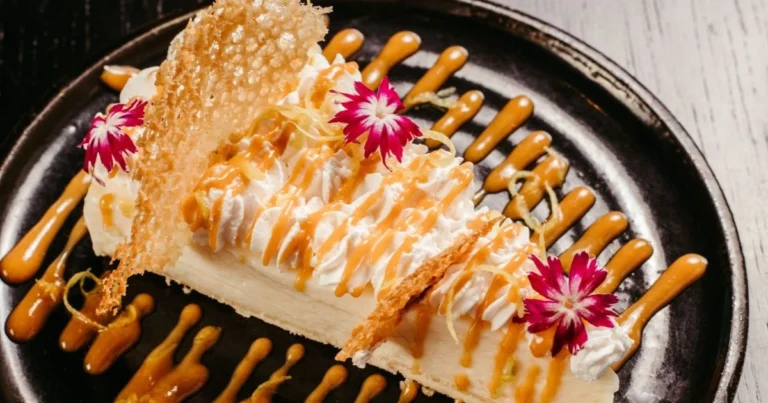
Fresh mint leaves add color and a cooling note. A light dusting of powdered sugar over the top adds elegance. Some bakers add a drizzle of dulce de leche or caramel sauce for extra richness.
The key is not to overdo it. The cake is already rich and complex. A simple garnish that adds color, texture, or a subtle flavor note is all you need. Too many toppings will distract from the tres leches flavor rather than enhance it.
Common Mistakes To Avoid When Making Tres Leches
Most tres leches failures fall into a few predictable categories. Knowing what to watch for will help you avoid them.
Oversaturation is the most common mistake. Adding too much milk mixture or pouring it too fast causes the bottom of the cake to become mushy and the top to stay relatively dry. The result is an uneven texture where some bites are custardy and others are soggy. This happens when bakers skip the fork-pricking step or pour the entire milk mixture at once without letting it absorb gradually.
Undersaturation is the opposite problem. Not enough milk mixture or not letting it absorb fully results in a cake that tastes dry and doesn’t have the characteristic custard-like texture. This usually happens when bakers are afraid of oversaturating and hold back on the milk.
Using a cake that’s still warm when you apply the milk mixture can cause uneven absorption. Warm cake drinks in the liquid too aggressively, especially at the edges. Cool the cake completely before applying the milk mixture.
Baking the cake too long creates a dry crumb that won’t absorb the milk properly. Always use the toothpick test and pull the cake out as soon as it’s done. A slightly underbaked center is better than an overbaked cake.
Can You Fix A Cake That’s Too Soggy Or Too Dry?
A cake that’s too soggy is difficult to fix. If the bottom layer is mushy, the damage is done. The best approach is to salvage what you can by serving the less soggy portions and discarding the rest. For next time, remember to prick the cake with a fork before applying the milk mixture and pour the liquid in stages rather than all at once.
A cake that’s too dry can sometimes be salvaged by adding more milk mixture. If you notice the cake is dry after applying the initial mixture, you can brush additional milk mixture on top using a pastry brush. This won’t fix an underbaked cake, but it can help if the cake absorbed the mixture too quickly.
The best strategy is prevention. Follow the instructions carefully, use the fork-pricking method, apply the milk mixture in stages, and watch for signs of oversaturation as you go. A cake that’s properly made will be moist and creamy throughout, not soggy or dry.
Why Did My Milk Mixture Separate Or Curdle?
A separated or curdled milk mixture usually results from temperature shock. If you mix cold evaporated milk with warm sweetened condensed milk, the proteins can curdle. The solution is to make sure all three components of the milk mixture are at roughly the same temperature before mixing.
Bring the evaporated milk and sweetened condensed milk to room temperature before mixing if you’ve stored them in the refrigerator. Let them sit on the counter for a few minutes before opening. Mix them together gently, and add the heavy cream last. Stir slowly rather than whisking vigorously.
If the mixture does curdle, you can sometimes salvage it by straining it through a fine-mesh sieve to remove the curdled particles. The texture won’t be perfect, but it will still taste good and work for the cake.
To prevent curdling in the first place, keep the milk mixture at room temperature and mix gently. Avoid whisking or blending the mixture, which can introduce air and cause separation. A slow, steady stir is all you need to combine the three milks.
Storage, Make-Ahead Tips And Serving Suggestions
Tres leches cake is best served cold, straight from the refrigerator. It keeps well for several days, making it an ideal dessert for advance preparation.
Store the finished cake in an airtight container in the refrigerator. If you don’t have a container large enough, cover the cake in the baking pan with plastic wrap or foil. Make sure the wrap is airtight so the cake doesn’t dry out.
The cake will keep for three to five days in the refrigerator, depending on how moist your kitchen is. The whipped cream topping will start to weep and separate after about two days, so if you’re making the cake ahead, consider adding the whipped cream topping the day you plan to serve it rather than the day before.
If you want to make the cake several days in advance, apply the milk mixture and refrigerate, but hold off on adding the whipped cream topping until the day of serving. This keeps the cake fresh and the frosting fluffy.
How Long Does Tres Leches Cake Last In The Refrigerator?
Three to five days is the typical shelf life for tres leches cake stored in an airtight container in the refrigerator. The exact time depends on how moist your refrigerator is and how tightly you’ve covered the cake.
The cake is best eaten within the first two days, when the whipped cream topping is still fluffy and the cake texture is optimal. After two days, the whipped cream will start to break down and weep. The cake itself will remain good for another three days, but the texture will be slightly less appealing.
Signs of spoilage include mold growth, an off smell, or a sour taste. If you see any of these signs, discard the cake. Tres leches cake should taste sweet and creamy, never sour or funky.
An uncovered cake will dry out quickly in the refrigerator because the open crumb will absorb moisture from the air. Always cover the cake with plastic wrap or foil, or store it in an airtight container.
Can You Make Tres Leches Cake Ahead For An Event?
Yes, and it’s actually ideal for events because the cake improves slightly as it sits. The flavors meld and the texture becomes more uniformly creamy. The optimal timeline is to make the cake one to two days before serving.
The best approach is to bake the cake the day before, apply the milk mixture and refrigerate overnight, then add the whipped cream topping on the morning of the event. This keeps the whipped cream fresh and fluffy while giving the cake plenty of time to absorb the milk mixture.
If you need to make the cake further in advance, you can freeze it before applying the milk mixture. Wrap the cooled, unfrosted cake tightly in plastic wrap and freeze for up to one month. Thaw it in the refrigerator the day before you plan to use it, then apply the milk mixture and refrigerate overnight.
Don’t freeze the cake after applying the milk mixture. The milk mixture doesn’t freeze well and can separate when thawed. The cake can also develop ice crystals that affect the texture.
For transport to an event, keep the cake in a covered container and transport it in a cooler with ice packs if the weather is warm. The cake needs to stay cold from the moment you finish it until it’s served.
Pro Tips For Restaurant-Quality Tres Leches Every Time
Once you’ve made a basic tres leches cake successfully, you can elevate it with a few professional techniques and ingredient swaps.
The first upgrade is to add flavor depth to the milk mixture. A quarter cup of rum or Kahlúa adds complexity and sophistication. A teaspoon of vanilla extract intensifies the vanilla notes. Some bakers add a tablespoon of dulce de leche to the milk mixture for extra richness and caramel flavor.
Another professional technique is to brush the cake layers with simple syrup before applying the milk mixture. Make a simple syrup by dissolving equal parts sugar and water over heat, let it cool, then brush it lightly on the cake before pricking and applying the milk mixture. This adds extra moisture and sweetness that professional bakers often use.
A stand mixer is worth the investment if you make whipped cream regularly. It produces lighter, fluffier whipped cream than hand-whisking, and it frees up your hands to do other tasks. An offset spatula makes frosting the cake faster and more professional-looking.
Some professional bakers use a cake leveler to create perfectly even cake layers, then layer the cake with frosting and additional milk mixture between the layers. This creates a more impressive presentation and more intense flavor.
How Do Professional Bakers Enhance Tres Leches Flavor?
Dulce de leche is one of the most common professional additions. A thin layer of dulce de leche spread on top of the cake before adding the whipped cream adds richness and a subtle caramel note. You can buy dulce de leche in a can or jar at most grocery stores.
Rum or Kahlúa in the milk mixture is standard in many restaurants. A quarter cup of rum adds warmth and complexity without making the cake taste boozy. Kahlúa adds coffee notes that pair beautifully with the sweetness of the condensed milk.
Some bakers add a layer of cream cheese frosting between the cake and the whipped cream topping. This adds tanginess that cuts through the sweetness and makes the dessert feel more sophisticated.
Fresh fruit is used by upscale restaurants to add color and freshness. Sliced strawberries or raspberries on top of the whipped cream make the cake look beautiful and add a bright note that balances the richness.
A light dusting of ground cinnamon, toasted coconut, or a drizzle of dulce de leche over the whipped cream adds visual appeal and flavor. The key is restraint. One or two garnishes are more elegant than a cluttered top.
What Equipment Helps Achieve Bakery-Level Results?
A stand mixer is the first upgrade. It produces whipped cream that’s lighter and fluffier than hand-whisked cream, and it does the work for you. If you don’t have a stand mixer, an electric hand mixer works almost as well.
An offset spatula is essential for frosting. It’s much easier to spread frosting evenly with an offset spatula than with a regular knife. It gives you more control and produces a more professional-looking result.
A cake leveler is useful if you want to create perfectly even cake layers. Some bakers prefer to level the cake before applying the milk mixture to ensure even absorption.
A pastry brush is helpful for brushing simple syrup on the cake or for applying additional milk mixture if the cake is drying out.
A good instant-read thermometer is useful for checking the temperature of the milk mixture if you’re adding rum or other spirits. You want to make sure it’s not too hot when you apply it to the cake.
Frequently Asked Questions
Can I Use Low-Fat Or Skim Milk In The Three-Milk Mixture?
Low-fat or skim milk will work, but the cake will taste thinner and less rich. The three-milk mixture relies on fat content for its luxurious mouthfeel. Use whole milk or full-fat evaporated milk for the best results. If you’re concerned about fat content, the best compromise is to use regular evaporated milk and sweetened condensed milk but replace the heavy cream with a mixture of whole milk and a small amount of cream.
Are There Dairy-Free Options For Tres Leches Cake?
Yes, you can make a dairy-free version using coconut milk, oat milk, or cashew cream. Use full-fat coconut milk for the sweetened condensed milk component, unsweetened oat milk or coconut milk for the evaporated milk component, and coconut cream for the heavy cream. The flavor will be slightly different, but the texture and moisture will be similar. Use the same ratios as the traditional recipe.
How Do I Adjust The Recipe For High Altitude Baking?
At high altitude, water boils at a lower temperature, which can affect how the cake bakes. Increase the oven temperature by twenty-five degrees and reduce the baking time slightly. Start checking the cake for doneness at twenty minutes instead of twenty-five. You may also need to increase the liquid in the cake batter slightly. Add an extra tablespoon or two of milk to the batter if the cake seems too dry after baking.
Can I Make Tres Leches Cake Without Eggs?
Yes, you can use an egg substitute in the cake batter. Use a commercial egg replacer like Bob’s Red Mill or make your own by mixing three tablespoons of aquafaba (the liquid from a can of chickpeas) with one tablespoon of cornstarch per egg. The texture will be slightly different, but the cake will still work well with the milk mixture.
What’s The Approximate Nutrition Information Per Serving?
A typical serving of tres leches cake made with cake mix contains approximately two hundred to two hundred and fifty calories, with about ten to twelve grams of fat and twenty-five to thirty grams of carbohydrates. The exact numbers depend on the size of your servings and the specific brands you use. A nine-by-thirteen-inch cake typically yields twelve to sixteen servings.
Can I Use A Homemade Cake Mix Substitute?
Yes, but the results will be less consistent. A homemade cake mix made from flour, sugar, baking powder, and salt will work, but the crumb structure won’t be quite as light and absorbent as a commercial mix. If you use homemade mix, follow the same liquid and egg ratios as a commercial box mix for the best results.
How Far In Advance Can I Bake The Cake Before Applying The Milk Mixture?
You can bake the cake up to two days in advance. Wrap the cooled cake tightly in plastic wrap and store it at room temperature or in the refrigerator. Apply the milk mixture no more than two hours before you plan to serve the cake. If you’re making the cake more than two days in advance, freeze it after baking and thaw it in the refrigerator before applying the milk mixture.
The Squish Moment
You now understand why box cake mix is the smart choice for tres leches. It’s not a shortcut that sacrifices quality. It’s a smarter engineering decision that produces better, more consistent results than baking from scratch.
The crumb structure of commercial cake mix is designed to absorb liquid evenly and thoroughly. The three-milk mixture soaks in uniformly, creating that characteristic custardy texture in every bite. No dry pockets. No soggy bottom. Just creamy, complex sweetness from top to bottom.
The ease is real. Ninety minutes from ingredients to refrigerator. Five ingredients in the batter. Three in the milk mixture. Professional-level results without the professional-level time investment.
The next time you make tres leches cake, remember that fork moment. The tines pierce the cooled cake, creating pathways for the milk to follow. Those tiny holes are what separate a perfectly moist cake from an unevenly saturated one. That small detail, that one deliberate step, is the difference between a good dessert and one that tastes like it came from a restaurant.
Box cake mix was never meant to be the foundation of a sophisticated Spanish dessert. But it turns out it’s the best one.“`