Custom Birthday Cakes Near Me: Ideas and Tips in 15 minute
Table of Contents
The best custom birthday cakes aren’t sitting in a grocery store display case. They’re being hand-crafted right now in a local bakery two miles from your house, by someone who has spent fifteen years perfecting the exact flavor and texture you want. Yet most people never find them. Instead, they order from a mass-production facility, receive a cake that tastes like sweetened cardboard, and then wonder why the birthday felt a little flat. Finding custom birthday cakes near me changes that equation entirely. You get fresh ingredients, a designer who listens, and a cake that actually tastes like something worth celebrating.
Why Choose A Local Bakery For Your Custom Birthday Cake?
The difference between a local custom birthday cakes near me and a supermarket cake isn’t subtle. It’s the difference between a guitar that was tuned by hand and a guitar that came off an assembly line. A local bakery isn’t optimizing for shelf life or shipping durability. It’s optimizing for the moment your guest takes the first bite.
When you walk into a neighborhood bakery, you’re not dealing with a supply chain that prioritizes cost. You’re dealing with a craftsperson who chose this work because they care about butter, chocolate, and the small ritual of making something people will remember. That distinction matters. It shows up in flavor. It shows up in texture. It shows up in how the frosting doesn’t taste like it was mixed in 2015 and frozen.
Fresh Ingredients And Superior Quality
Local bakery for custom cakes near me buy their butter, cream, and chocolate differently than industrial operations. Many source from regional suppliers. Some make their own fillings from scratch. A few roast their own cocoa or ferment their own vanilla extracts. This isn’t marketing. It’s just what happens when someone is baking for their neighborhood instead of baking for a quarterly profit target.
The freshness gap is real and measurable. A cake baked two days before your party is a completely different thing from a cake that was baked six weeks ago, frozen, shipped in a climate-controlled box, and then thawed. Fresh cake has crumb structure. It has moisture that hasn’t been locked in a freezer. The frosting tastes like actual butter, not like a stabilized emulsion that was designed to survive a truck ride across three states.
Hand-crafted also means the baker is actually paying attention. If a cake needs an extra minute in the oven, they give it an extra minute. If a flavor combination doesn’t work, they fix it. They’re not running a kitchen that’s designed to produce two hundred identical cakes per day. They’re producing maybe ten, and they’re invested in each one.
Personalized Design Consultations
When you order a cake from a grocery store, you get to pick from a laminated catalog. When you order from a local bakery, you get a conversation. That conversation is where the magic happens.
A real design consultation means the baker asks questions. What’s the birthday person’s favorite color, not just for decoration, but the one that makes them feel seen? What’s their actual favorite flavor, and have they ever mentioned a flavor they hate? Are there dietary restrictions that matter? Do they want something Instagram-worthy, or do they want something that tastes so good the design doesn’t matter? Do they have a hobby, a pet, an inside joke that should be on the cake?
This is also where custom flavor combinations happen. You can’t order a brown butter lavender cake with a cream cheese frosting and a salted caramel drip from a supermarket. You can absolutely order it from a local baker who has made two hundred cakes and knows exactly how those flavors balance. You can ask for vegan, gluten-free, dairy-free, nut-free, or any combination. You can request a cake that’s less sweet, more tangy, or built around a flavor you love that most bakeries never even attempt.
The baker also talks through logistics. They ask where the cake is going, what time it needs to be there, whether they should set it up or hand it off to you. They discuss whether a tiered cake makes sense for your space or whether a sheet cake serves better. They’re not trying to upsell you on complexity. They’re trying to make sure the cake you get is actually the cake you need.
Faster Delivery And Availability
Local bakeries can move fast. Many offer same-day or next-day service for simpler designs. Even more elaborate custom cakes often need only three to seven days, versus the two-week lead time that online bakeries require.
Pickup is almost always an option, which eliminates shipping risk entirely. No cake getting jostled in a delivery truck. No frosting arriving with a dent. No fondant cracking because the box was handled rough. You drive two miles, walk in, and carry a cake that was baked yesterday directly to your party.
Delivery, when offered, is handled by someone who knows the cake. They know how it’s balanced. They know which tier is fragile. They know the room temperature where it tastes best. They can set it up, ice the top if needed, and make sure it looks exactly like it did when it left the kitchen.
The seasonal advantage is also real. In December, when every bakery is underwater with holiday orders, a local shop might still have slots open if you ask. They’re not bound by a national system. They can make decisions based on what they can actually handle.
How Do You Find Custom Cake Bakeries In Your Area?
Finding a good local bakery used to require asking neighbors or driving around town. Now it’s faster, but it still requires knowing where to look and what to look for.
Using Google Maps And Local Search
Start with Google Maps. Type “custom birthday cakes near me” or “bakery custom cakes” and the map will show you every option within a five-mile radius. This is your starting point, not your ending point.
Filter by rating. Look at the reviews, not just the star count. Read three or four recent reviews. Are people mentioning freshness? Are they saying the cake tasted good? Are they complaining about design accuracy or customer service? A bakery with 4.7 stars and a dozen reviews from people who specifically mention flavor is more useful than a 4.9-star chain bakery with two hundred generic reviews.
Check the photos. Most bakeries on Google Maps now have customer photos of actual cakes they’ve made. Look at those images. Does the frosting work look clean? Do the designs match what you want? Are the cakes tiered or simple? Do they look fresh or plasticky?
Call or email the bakery directly. Don’t rely on the “order online” button if there is one. A real conversation with a baker tells you more than a website ever will. Ask if they’re taking orders for your date. Ask about lead time. Ask about their most popular flavor. A baker who is excited to talk about their work is a baker worth working with.
Checking Bakery Websites And Social Media
A bakery’s website and Instagram account are their portfolio. Spend five minutes looking at both.
On the website, find the custom cake page. Look for pricing. Look for the lead time policy. Look for dietary options. Look for contact information and a clear way to request a consultation. If the website is confusing or outdated, that’s a small warning sign. It suggests the bakery isn’t investing much in customer communication.
On Instagram, scroll through the last fifty posts. You’re looking for patterns. Are all the cakes from the same template, or is each one different? Do they show behind-the-scenes work? Do they respond to comments? Do customers tag them in photos of finished cakes at parties? That last one is gold. It means people are happy enough to share.
Read the comments on a few cake posts. Are people asking questions? Are the bakery’s responses thoughtful? Do they ask follow-up questions, or do they give one-word answers? A bakery that engages with customers online usually engages well in person too.
Look for customer testimonials. Not just on the website, but in Google reviews, Facebook, and Instagram. People who took the time to write a review usually have something specific to say. Pay attention to reviews that mention communication, flavor, and design accuracy. Those are the three things that matter most.
What Should You Know Before Ordering A Custom Cake?
Ordering a custom cake isn’t like buying a box cake from the grocery store. There are timelines, deposits, and decisions that need to happen in the right order. Understanding the process before you start saves frustration.
Lead Time And Ordering Deadlines
Different bakeries have different policies, but here’s what’s typical. A simple custom cake with one color of frosting and a basic design usually needs two to three days. A more complex cake with multiple colors, detailed piping, or a sculpted element needs five to seven days. Some bakeries take orders up to two weeks in advance, and some offer rush service for an extra fee.
The busiest seasons are obvious. May through August, bakeries are slammed with birthday orders. November and December are holiday chaos. If you’re ordering during those windows, book early. Some bakeries close their custom cake orders entirely for certain weeks because they can’t handle the volume.
Most bakeries require a deposit to hold your date. This is typically 25 to 50 percent of the total cost. The deposit is non-refundable if you cancel, but it’s refundable if the bakery cancels. Read the policy before you agree to it. Some bakeries have strict cancellation deadlines. If you cancel within 48 hours of pickup, you lose the entire deposit. Others are more flexible.
Call the bakery at least two weeks before your party if possible. Don’t wait until five days out and hope they have availability. Even if they do, you’re paying a rush fee and limiting your design options.
Cake Size, Servings, And Pricing
Cake size and servings are directly connected, but not in a way that’s immediately obvious. A six-inch round cake serves about eight to ten people. An eight-inch serves about fifteen to twenty. A ten-inch serves about thirty. A sheet cake serves anywhere from twenty to forty depending on how big you cut the slices.
Pricing varies wildly by bakery and region. A basic six-inch custom cake might cost thirty to fifty dollars. An eight-inch might be fifty to eighty. A ten-inch or a tiered cake might be one hundred to two hundred or more. The price depends on the design complexity, the flavors you choose, and whether you’re paying for delivery.
Specialty flavors sometimes cost more than basic flavors. A chocolate cake is cheaper than a brown butter lavender cake. Vegan or gluten-free cakes usually add ten to twenty dollars to the total. Hand-painted designs or sculpted elements add fifty to one hundred dollars or more, depending on the time involved.
Ask the bakery for a quote before you commit. Tell them the date, the number of guests, the design style you’re imagining, and any dietary needs. A good bakery will give you a range or a specific number. If they seem annoyed by the question, find a different bakery.
Dietary Needs And Flavor Options
Most local bakeries now offer gluten-free, vegan, and dairy-free options. Some offer both. The quality varies. A gluten-free cake from a bakery that specializes in gluten-free is usually better than a gluten-free cake from a bakery that makes it once a month. If you have a dietary restriction, ask the bakery how often they make that cake and whether they have a separate prep area for it.
Nut allergies are serious. Many bakeries have nut warnings on their menus because they work with nuts in the kitchen. If you need a nut-free cake, ask directly whether they can guarantee it. Some bakeries can. Some cannot.
Flavor options are usually listed on the bakery’s website or menu. Chocolate, vanilla, red velvet, carrot cake, and lemon are standard. Beyond that, it depends on the bakery. Some offer ten flavors. Some offer thirty. If you don’t see your favorite flavor listed, ask if they can make it. Most bakeries are willing to try if you give them advance notice.
Popular custom flavor combinations include salted caramel, brown butter, cream cheese frosting, raspberry filling, and lemon curd. If you’re not sure what you want, ask the baker for a recommendation based on the birthday person’s taste preferences. They’ve made hundreds of cakes. They know what works.
What Are Common Cake Design Options At Local Bakeries?
The design is where your cake becomes personal. It’s also where the budget either stays reasonable or climbs fast. Understanding what’s available helps you make choices that fit both your vision and your wallet.
Themed And Character Cakes
Themed cakes are popular for kids’ birthdays and for adults who want something fun. Superhero cakes, cartoon character cakes, sports team cakes, and hobby-specific cakes are all standard requests. A bakery that specializes in themed cakes usually has templates or experience with the themes you’re thinking of.
Character cakes can be simple or elaborate. A simple character cake is a basic cake shape with the character’s face piped on top in frosting. An elaborate character cake might be sculpted to look like the character itself, with multiple colors and detailed features. The simple version costs less. The elaborate version costs significantly more and needs more lead time.
Photo cakes are another option. You provide a photo, the bakery prints it on edible paper and applies it to the cake. This is usually cheaper than a hand-painted design and faster to produce. The quality depends on the resolution of your photo and the bakery’s printer, but it’s a solid option if you have a specific image you want on the cake.
Sports-themed cakes are straightforward. The bakery adds the team colors, logo, or a simple sports element like a basketball or soccer ball. These are usually quick to execute and reasonably priced.
Modern And Classic Cake Styles
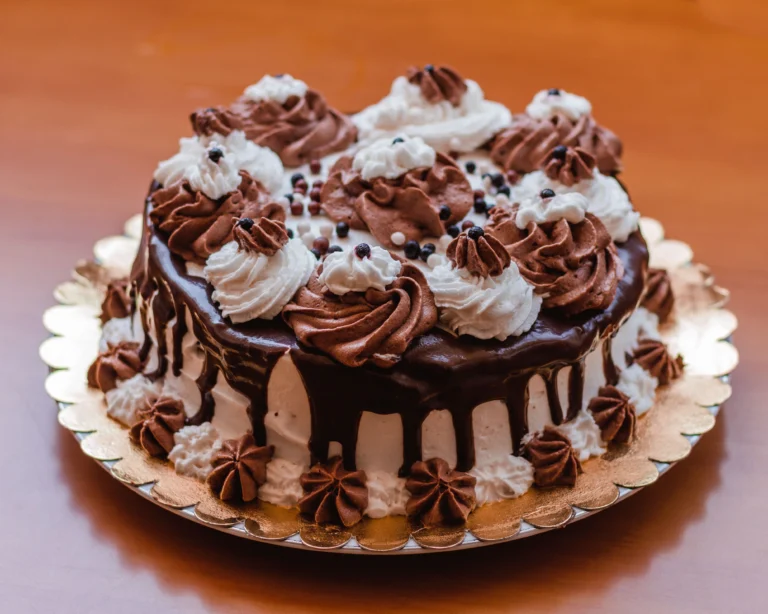
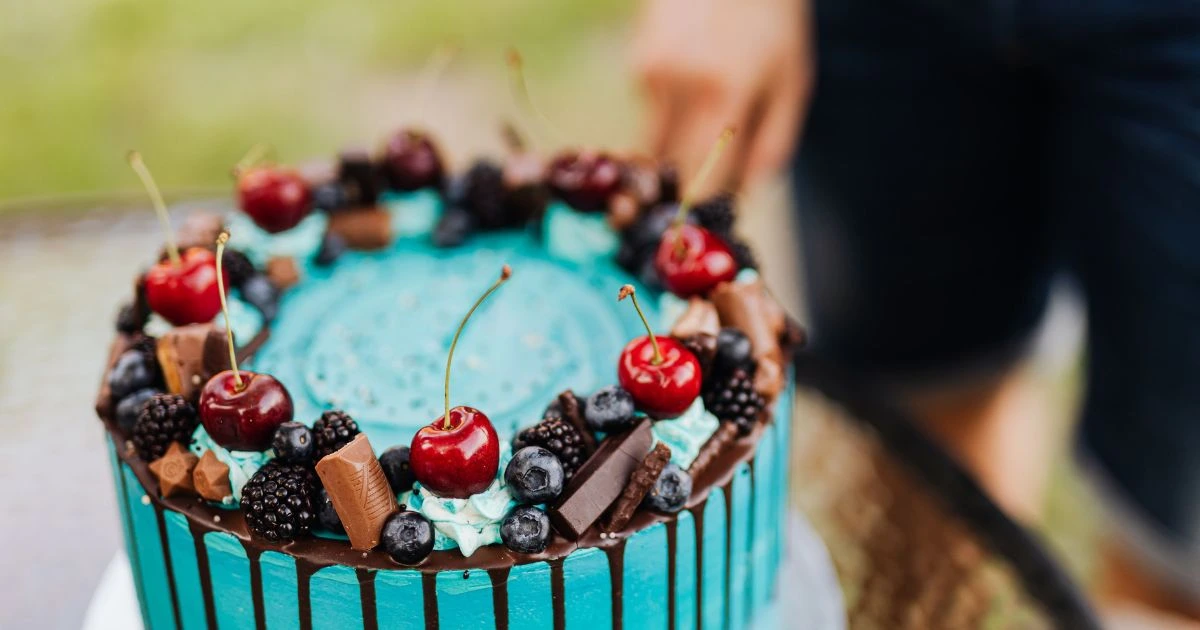
Modern cake styles are minimalist, geometric, or abstract. A naked cake with minimal frosting and visible cake layers is modern. A drip cake with a controlled drip of ganache down the sides is modern. Geometric patterns, metallic accents, and negative space are all modern design elements. These cakes look Instagram-worthy and often cost more because they require precision and skill.
Classic styles are elegant and timeless. A white cake with white frosting and delicate piping is classic. A tiered cake with simple flowers and script lettering is classic. Vintage-inspired designs with lace patterns or antique colors are classic. These cakes take time to create but are worth the investment if you want something that photographs well and feels special.
Naked cakes have visible cake layers with minimal frosting between them. They’re popular for rustic weddings and casual celebrations. They’re also cheaper to produce because they require less frosting work. However, they’re more fragile during transport, so ask the bakery if they recommend this style for your situation.
Tiered cakes are stacked cakes of different sizes. A two-tier cake is common. A three-tier cake is more dramatic and costs more. Tiered cakes need internal support structures and careful assembly. They’re beautiful, but they need more lead time and a bigger budget.
How Much Should You Budget For A Custom Birthday Cake?
Cake pricing isn’t arbitrary. It’s based on ingredients, labor, design complexity, and the bakery’s location and reputation. Understanding the breakdown helps you make decisions that fit your budget.
Budget-Friendly Options
If you want to keep costs down, start with a smaller cake. A six-inch cake serves fewer people but costs thirty to fifty dollars instead of one hundred fifty. If you need to feed more people, a sheet cake is cheaper than a tiered cake and feeds more people per dollar.
Simple designs are cheaper than complex designs. A cake with one color of frosting and piped lettering costs less than a cake with multiple colors, hand-painted details, and sculpted elements. If you want custom without breaking the budget, ask the bakery what they can do for a specific price point. They’ll suggest options.
Ordering in advance gives you a discount at many bakeries. If you book two weeks ahead instead of three days ahead, some bakeries will reduce the rush fee or offer a small discount. It’s worth asking.
Stick to standard flavors. A vanilla cake with chocolate frosting is cheaper than a brown butter lavender cake with cream cheese frosting and a salted caramel drip. Both are delicious, but one costs less because the ingredients are more basic.
Premium And Luxury Cake Pricing
Premium cakes start at one hundred dollars and go up from there. Hand-painted designs, specialty ingredients like Madagascar vanilla or single-origin chocolate, intricate piping work, and sculpted elements all push the price up.
A hand-painted cake where the baker is literally painting a scene or portrait on the cake surface is expensive. It requires artistic skill and time. Expect to pay one hundred fifty to three hundred dollars or more, depending on the complexity and the bakery’s reputation.
Sculpted cakes, where the cake is carved into a specific shape rather than stacked in layers, are also premium. A cake sculpted to look like a shoe, a car, or a character takes significant time and skill. These usually cost two hundred to five hundred dollars or more.
Prestige bakeries in major cities charge more than neighborhood bakeries in smaller towns. A custom cake from a James Beard-nominated baker costs more than one from a neighborhood shop, even if the quality difference is subtle. You’re paying for reputation and experience.
What Are Tips For Communicating Your Custom Cake Vision?
The best custom cakes come from clear communication. The baker can’t read your mind, but they can read a clear description, a mood board, and a specific conversation about what you want.
Gathering Inspiration And Reference Images
Before you call the bakery, spend an hour on Pinterest and Instagram looking at cakes. Save images of cakes you like. Don’t worry if they seem unrelated. You’re looking for patterns. Do you like minimalist designs or ornate designs? Do you like bright colors or muted colors? Do you like geometric patterns or organic shapes? Do you like modern cakes or classic cakes?
Create a mood board or a Pinterest board and share it with the bakery. You don’t need ten images. Three to five images that show your style is enough. The baker will look at them and understand what you’re drawn to, even if the actual cake ends up looking completely different.
Include your favorite colors, the birthday person’s favorite colors, and any colors you definitely don’t want. Include any themes, hobbies, or inside jokes that matter. Include the vibe you want. Elegant? Fun? Casual? Dramatic? The more specific you are, the better the baker can deliver.
Describing Your Cake’s Flavor And Decorations
Write down the flavors you want. Don’t just say “chocolate.” Say “dark chocolate, not too sweet, with a cream cheese frosting.” Say whether you want the cake moist or denser. Say whether you like fruit fillings or prefer pure chocolate. The more detail, the better.
Describe the decorations specifically. “Elegant” is vague. “White frosting with delicate piping and fresh flowers” is clear. “Fun and colorful” is vague. “Bright primary colors, geometric shapes, and the birthday person’s favorite animal somewhere on the cake” is clear.
Write a brief for the bakery if you’re ordering something complex. Include the cake size, the number of guests, the flavor, the frosting preference, the design style, any dietary restrictions, and the delivery details. Give them your phone number and email. Make it easy for them to follow up with questions.
Schedule a consultation if the cake is complex or if you’ve never worked with this bakery before. A phone call or an in-person visit is worth the time. You’ll leave with confidence that the baker understands what you want.
How Do You Arrange Delivery Or Pickup For Your Cake?
Getting the cake from the bakery to the party safely is the final step. It’s also the step where things can go wrong if you’re not careful.
Local Delivery And Timing Considerations
Most local bakeries offer delivery within a certain radius, usually three to ten miles. Delivery costs range from fifteen to fifty dollars depending on distance and whether the baker sets up the cake at the venue.
Timing matters. You want the cake to arrive close to when you need it. Too early and it sits in a warm room and the frosting melts. Too late and you’re stressed. Ask the bakery what time windows they offer. Many bakeries deliver between one and four p.m. or three and six p.m. Some offer early morning delivery for breakfast events.
If the bakery is delivering to a venue, give them the venue’s address and phone number. Tell them the exact time you need the cake there. Tell them where the cake should go in the venue. Tell them whether they need to set it up or just hand it off to you. Tell them whether the venue has a refrigerator if the cake needs to be kept cool.
Ask about temperature control. If it’s summer and the cake will be sitting in a warm room, the frosting might be an issue. Some bakeries use specialty frostings that hold up better in heat. Some recommend refrigerating the cake until close to serving time. Ask what they recommend for your specific situation.
Rush delivery fees apply if you’re asking for same-day delivery or delivery outside normal hours. Expect to pay extra, sometimes significantly extra. If you can give the bakery advance notice, you’ll save money and stress.
Pickup Procedures And Transportation Tips
Pickup is usually cheaper than delivery and gives you full control. Ask the bakery what time windows are available on your party day. Many bakeries require pickup within a specific window, usually an hour or two. Don’t miss it. The cake is baked and ready, and the bakery needs the space.
Ask about the cake box and how the cake is packaged. A good bakery puts the cake in a sturdy box with a secure lid. They might use a cake board or a cardboard base inside the box to keep the cake stable. They’ll tell you not to tilt the box or set it on its side. Listen to them.
Transport the cake in a car, not a truck bed or an open vehicle. Keep the cake level. Don’t put anything on top of it. Don’t drive crazy. If you’re driving more than fifteen minutes, ask the bakery if you should keep the cake cool. Some cakes are fine at room temperature. Others need to stay cool.
When you get home, put the cake in a cool place until you’re ready to serve it. If the frosting is buttercream, keep it out of direct sunlight and away from heat sources. If the frosting is fondant, it’s more stable but still benefits from a cool room. Ask the bakery for specific storage instructions when you pick up the cake.
If you’re setting up the cake yourself, do it close to serving time. Don’t set it up hours early. Set up candles last, right before you serve. If the cake is tiered, make sure it’s on a stable surface that won’t wobble. If you’re adding fresh flowers, ask the bakery if they’re food-safe or if they should be removed before eating.
What Questions Should You Ask Your Local Bakery?
Before you commit to ordering, ask the right questions. These questions tell you whether the bakery is professional, whether they care about quality, and whether you’ll be happy with the final product.
Business Policies And Payment Options
Ask about the deposit policy. How much is required? When is it due? Is it refundable if you cancel? What’s the cancellation deadline? What happens if the bakery cancels? Get the policy in writing.
Ask about payment methods. Do they take credit cards? Do they require a specific payment method for the deposit? What about the final payment? Can you pay half at deposit and half at pickup, or do you need to pay the full amount upfront?
Ask about the contract or order form. Do they have one? What does it include? Does it specify the cake size, flavors, design, delivery details, and price? A written order protects both you and the bakery.
Ask about communication. How will they contact you if they have questions? How will you contact them? What’s their response time? Do they prefer phone, email, or text? Make sure you’re on the same page about how you’ll stay in touch.
Quality And Reliability Questions
Ask about their experience. How long have they been making custom cakes? Have they made cakes similar to what you’re imagining? Ask to see a portfolio. Any bakery worth working with has photos of previous cakes.
Ask about reviews and testimonials. Where can you read them? Are they on Google, Yelp, Instagram, or their website? Ask if you can contact a previous customer. Most bakeries won’t share contact information, but some will. It’s worth asking.
Ask about taste tests. Can you try a sample of the cake and frosting before you commit? Some bakeries offer this. Some don’t. If they do, take advantage of it. Taste matters.
Ask about backup plans. What happens if something goes wrong with the cake? What if there’s a design issue or a flavor problem? What if the baker gets sick and can’t deliver on time? A good bakery has thought about these scenarios and has a plan.
Ask about dietary certifications. If you need gluten-free, vegan, or nut-free, ask if the bakery is certified or if they have a specific process for preventing cross-contamination. Ask which facilities or equipment they use for those cakes.
Frequently Asked Questions
How Far In Advance Should I Order A Custom Birthday Cake?
Two to three weeks is ideal for most bakeries, especially during busy seasons. If you’re ordering during May through August or November through December, book even earlier. Many bakeries will accommodate rush orders with two to three days’ notice, but you’ll pay a rush fee and have fewer design options.
What’s The Difference Between A Custom Cake From A Local Bakery And A Supermarket Cake?
Local bakeries use fresher ingredients, hand-craft each cake, offer personalized design consultations, and prioritize flavor and quality. Supermarket cakes are mass-produced, often frozen weeks in advance, and designed for shelf life rather than taste. The difference is noticeable the moment you taste it.
Can Local Bakeries Make Vegan, Gluten-Free, Or Allergy-Friendly Cakes?
Most local bakeries offer at least some dietary options. Many offer vegan, gluten-free, dairy-free, and nut-free cakes. Quality varies, so ask the bakery how often they make that specific cake and whether they have a separate prep area for allergen-free items.
How Much Does A Custom Birthday Cake Cost?
Pricing depends on size, design complexity, flavors, and location. A basic six-inch custom cake typically costs thirty to fifty dollars. An eight-inch costs fifty to eighty. A tiered or heavily designed cake can cost one hundred to three hundred dollars or more. Ask for a quote based on your specific needs.
Can I Get A Custom Cake Delivered The Same Day I Order It?
Some bakeries offer same-day service for simple designs, but it’s not common. Most custom cakes need at least two to three days. Rush fees apply for expedited orders, and you’ll have fewer design options. Plan ahead when possible.
What Should I Do If I Don’t Like The Cake When I Pick It Up?
Speak up immediately. If there’s a design issue, a flavor problem, or a quality concern, tell the bakery right away. Most professional bakeries will try to fix the problem or offer a solution. This is why communication during the ordering process is so important. The more specific you are upfront, the less likely problems occur.
How Do I Know If A Local Bakery Is Trustworthy?
Read reviews on Google, Yelp, and Instagram. Look at their portfolio. Call and ask questions. A trustworthy bakery responds promptly, has clear policies, is willing to answer questions, and has positive reviews mentioning flavor and design accuracy. Trust your gut. If something feels off, find a different bakery.
Should I Schedule A Consultation Before Ordering A Custom Cake?
Yes, especially for complex or expensive cakes. A consultation gives you a chance to discuss your vision, ask questions, and get a feel for the baker’s communication style. Even a phone call is valuable. It ensures you and the baker are on the same page before you commit.
Start Your Search For A Local Cake Master Today
The cake sitting in that grocery store display case isn’t waiting for you. But the custom cake you actually want is being made right now in a neighborhood bakery, by someone who chose this work because they love it. Finding that bakery, that baker, and that cake is worth the small effort it takes to search.
You now know where to look: Google Maps, Instagram, word-of-mouth recommendations, and direct conversations with bakers who answer their phones and ask questions about what you want. You know what to ask: about lead times, deposits, dietary options, design consultations, and delivery logistics. You know what to expect: fresh ingredients, personalized attention, and a cake that tastes like something worth celebrating.
The only remaining step is to start. Pick your party date. Open Google Maps. Type “custom birthday cakes near me” or “local bakery.” Spend thirty minutes looking at photos and reading reviews. Call two or three bakeries and have a conversation. You’ll know which one is right within the first five minutes of talking to them. Then book early, give them a clear vision, and let them do what they do best.
The birthday person will taste the difference. Everyone will. That’s the whole point.