
Cake Mix Christmas Cookie Recipes easy in 10 minute
Table of Contents
You’re standing in your kitchen on December 15th with a guest list growing by the hour and absolutely zero cookies in sight. The traditional route means creaming butter for five minutes, measuring flour three times to get it right, chilling dough overnight, and still somehow ending up with flat, disappointing results. There’s a faster way. Cake mix Christmas cookie recipes cut your prep time by seventy percent, deliver that soft, bakery-quality texture people actually want, and open up flavor possibilities that would take you days to develop from scratch. The catch? Most people don’t know how to use cake mix correctly, and they end up with dense, cakey cookies instead of the tender, chewy treats that make you look like a pastry chef.
Why Are Cake Mix Christmas Cookie Recipes Rising In Popularity?
Five years ago, mentioning cake mix cookies at a holiday gathering would have earned you some polite nods and a quiet judgment. These days, food bloggers and home bakers are openly celebrating these recipes because they actually work. The reason is simple: a boxed cake mix already contains the precise blend of flour, sugar, leavening agents, and emulsifiers that take most home bakers weeks to figure out through trial and error.
When you use a quality cake mix christmas cookie recipes built on a cake mix base, you’re starting with a formula that’s been tested in massive commercial kitchens. The texture stays soft for days, the flavor develops cleanly without that “homemade” grittiness that comes from hand-measuring dry ingredients, and the structure holds up beautifully whether you’re stacking them in gift boxes or piling them on a dessert table. You get consistency. Every single batch tastes identical to the last.
The speed factor is real, too. A traditional sugar cookie dough requires chilling before you can even roll it out. A cake mix cookie dough is ready to shape within minutes of mixing. For families juggling holiday parties, school events, and last-minute gift boxes, that’s not a luxury. That’s survival.
The Science Behind The Soft Texture
Here’s what separates a cake mix cookie from a traditional butter cookie. cake mix christmas cookie recipes are formulated with a higher ratio of sugar and fat relative to flour compared to what you’d use if you were measuring from scratch. That ratio is what keeps these cookies tender. The emulsifiers in the mix (typically lecithin or mono- and diglycerides) help distribute moisture evenly throughout the dough, so you don’t get the dense, tight crumb structure that happens when home bakers overmix or slightly misweigh their flour.
The leavening is also different. Cake mixes use a gentler, slower-acting leavening system than what most cookie recipes call for. This means your cookies rise gradually in the oven and set before they have a chance to spread thin and crisp up. You get that Goldilocks zone: cooked all the way through, but still soft enough to bend slightly when you pick one up warm from the baking sheet.
The moisture retention is the final piece. Because cake mixes include ingredients like cornstarch and modified food starch, they absorb and hold onto humidity better than flour alone. This is why a cake mix cookie stays chewy for four or five days, while a traditional butter cookie hardens up after two.
Time-Saving Benefits For Holiday Parties
Let’s talk numbers. A from-scratch butter cookie recipe requires at least thirty minutes of active work before the dough even hits the oven. That’s creaming butter and sugar (five to seven minutes of mixer time), adding eggs and vanilla, sifting dry ingredients separately, folding them together carefully, chilling for at least two hours, then rolling, cutting, and decorating. You’re looking at four to five hours minimum from start to finish.
A cake mix cookie goes from box to oven in twelve to fifteen minutes. You dump the mix, add oil, eggs, and any mix-ins, stir until combined, scoop onto a sheet, and bake. No chilling. No sifting. No creaming butter until your arms hurt. For a busy household, that difference means you can bake three or four batches in the time it takes to make one from-scratch recipe.
The cleanup is faster, too. One bowl, one spoon, one baking sheet. No separate bowls for wet and dry ingredients. No flour dust all over the counter. This matters when you’re on your fourth batch of the week and your patience is thin.
What Do You Need To Make The Perfect Cake Mix Cookies?
The ingredient list is so short it almost feels like cheating. That’s the entire point. You’re not buying specialty items or hunting down obscure flavor extracts. You’re using pantry staples that most households already have.
Standard Base Ingredients And Ratios
The foundation for almost every cake mix cookie recipe is the same: one box of cake mix, one-third to one-half cup of vegetable oil, two large eggs, and one teaspoon of vanilla extract. That’s it. That’s the base that works across every flavor variation.
The oil-to-mix ratio matters more than people realize. Too little oil and your dough becomes dry and crumbly. Too much and you get thin, greasy cookies that spread into lace. One-third cup is the safe minimum; one-half cup is the maximum before things get loose. If you’re using a darker, denser mix like devil’s food, stick closer to one-third. If you’re using a lighter mix like vanilla or lemon, you can go up to one-half cup without issues.
The eggs are doing two jobs: adding moisture and acting as a binder. Two large eggs is the standard. Don’t skip them or substitute with flax eggs or applesaucer. The eggs are what keep the structure intact, especially when you’re adding heavy mix-ins like chocolate chips or crushed candy.
Vanilla extract adds depth that the cake mix flavor alone doesn’t provide. One teaspoon is the baseline. You can go up to one and a half teaspoons if you want a stronger vanilla note, but more than that starts to taste harsh and chemical.
Selecting The Best Mix Brands For Baking
Not all cake mixes are created equal when it comes to cookies. The major brands like Duncan Hines, Pillsbury, and Betty Crocker all work, but they perform slightly differently based on their ingredient formulations.
Duncan Hines mixes tend to produce slightly softer, more tender cookies because they have a higher ratio of sugar and fat. If you want maximum softness and that melt-in-your-mouth quality, Duncan Hines is your move. Betty Crocker mixes produce cookies with a bit more structure and a slightly more pronounced cake-like texture, which is actually ideal if you’re making cut-outs or decorating cookies. Pillsbury falls somewhere in the middle and is reliable across all variations.
The flavor intensity varies too. Duncan Hines flavors tend to be bolder and more pronounced. Betty Crocker flavors are more subtle and balanced. For Christmas cookies, where you’re often adding additional seasonings or mix-ins, Betty Crocker gives you more room to layer flavors without everything tasting muddy. But if you want the cake flavor to shine through clearly, Duncan Hines is the stronger choice.
Store brands work fine, but the texture can be slightly more cakey and less tender. They’re worth trying if you’re on a tight budget, but if you’re making these for a gift or a special event, spend the extra dollar and go with a name brand. The difference is noticeable.
How Do You Create Festive Yellow Cake Mix Cookies?
Yellow cake mix is the workhorse of holiday baking. It’s neutral enough to pair with almost any flavor profile, but it has enough vanilla backbone to stand on its own. It’s the base you reach for when you want flexibility and reliability.
Adding Seasonal Spices And Mix-Ins
The magic of yellow cake mix cookies is how easily they accept additions. Start with your base (one box yellow cake mix, one-third cup oil, two eggs, one teaspoon vanilla). Then add your seasonal elements.
For a classic holiday version, add one teaspoon of ground cinnamon, one-half teaspoon of ground nutmeg, and one-quarter teaspoon of ground cloves to the dry mix before stirring in the wet ingredients. These spices warm up the vanilla base and make the cookies smell like Christmas morning. Then fold in one cup of white chocolate chips and one-half cup of dried cranberries. The tartness of the cranberries cuts through the sweetness and makes the cookies feel sophisticated instead of overly sugary.
If you want a peppermint version, skip the spices and instead add one-half teaspoon of peppermint extract and one-half teaspoon of vanilla (using one and a half teaspoons total). Fold in one cup of white chocolate chips and one-half cup of crushed candy canes. The candy canes add texture and a sharp peppermint bite that balances the sweetness of the white chocolate.
For a gingerbread variation, add two teaspoons of ground ginger, one teaspoon of cinnamon, one-half teaspoon of cloves, and one-quarter teaspoon of black pepper to the mix. The black pepper adds a subtle heat that makes people say “what is that flavor?” without being able to identify it. Fold in one cup of chopped crystallized ginger. These cookies are darker and more complex tasting, almost like a sophisticated candy rather than a traditional cookie.
Achieving The Golden Brown Finish
The oven temperature and timing are what separate cookies that look homemade from cookies that look professionally made. Preheat your oven to 350 degrees Fahrenheit. Not 375, not 325. Three-fifty is the sweet spot for cake mix cookies.
Scoop your dough using a cookie scoop (a two-tablespoon scoop is standard) onto parchment paper, leaving about two inches between each cookie. Bake for nine to eleven minutes. The top should look set and slightly dry, but the edges should have just started to turn golden. If you wait for the edges to be dark brown, you’ve already overbaked.
The cookies will continue to cook on the hot baking sheet for another two minutes after you pull them from the oven. That carryover cooking is what keeps them soft in the center while the outside sets up. Let them sit on the sheet for five minutes before moving them to a cooling rack.
This timing produces a cookie that’s golden brown around the edges with a pale, soft center. It’s the look people associate with professional bakeries. If your cookies are coming out flat and uniformly brown, you’re baking too long. If they’re too pale and cakey, you’re not baking long enough.
Can You Make Cake Mix Sugar Cookies For Decorating?

This is where cake mix cookies get interesting. You can absolutely make decorating cookies from a cake mix base, but you need to adjust the formula slightly to get a dough that’s sturdy enough to hold a shape and take icing without cracking.
Chilling The Dough For Better Shapes
The standard cake mix formula makes a soft dough that’s perfect for drop cookies but too tender for cut-outs. To make cake mix sugar cookies that you can actually cut into shapes, you need to reduce the oil slightly and add a bit of flour.
Use one box of vanilla or sugar cake mix, one-quarter cup of vegetable oil (not one-third cup), two eggs, one teaspoon of vanilla, and add three tablespoons of all-purpose flour. The extra flour firms up the dough without making it tough. Mix everything together, then refrigerate for at least one hour.
The chilling step is non-negotiable here. The dough needs time for the flour to fully hydrate and for the fats to solidify slightly. After one hour in the fridge, the dough will be firm enough to roll out and cut with cookie cutters without sticking or tearing. If you try to work with it right away, it’ll be too soft and you’ll end up with mangled shapes.
Roll the chilled dough between two sheets of parchment paper to a thickness of one-quarter inch. Cut your shapes, transfer to a baking sheet (you can use a thin metal spatula to slide them off the parchment), and bake at 350 degrees for eight to ten minutes. These cookies should be pale and set but not browned. They’re meant to be a canvas for decoration, not a flavor statement on their own.
Royal Icing Vs. Buttercream Toppings
Once your cookies are cool, you have two main options for decorating: royal icing or buttercream. Each has advantages depending on how you want the cookies to look and how long you need them to last.
Royal icing is made from egg whites (or meringue powder), powdered sugar, and water. It dries hard and creates a glossy, professional finish. If you’re making cookies for a gift box or a display, royal icing is your choice. It doesn’t smudge, it doesn’t soften, and it holds its color for weeks. The downside is that it takes time to dry (usually four to six hours), and it requires a bit of technique to get smooth, even coverage. You also need to worry about food safety with raw eggs unless you’re using pasteurized egg whites or meringue powder.
Buttercream is softer and more forgiving. You can make it with just butter, powdered sugar, and a splash of milk or cream. It tastes better than royal icing (royal icing is mostly sugar), and you can apply it immediately without waiting for it to dry. The downside is that buttercream softens at room temperature and can smudge if the cookies are stacked or handled roughly. It’s better for cookies you’re eating right away, not storing for weeks.
For holiday gift boxes, go with royal icing. For cookies you’re serving at a party, buttercream is easier and more delicious. You can also do a hybrid approach: use a thin layer of royal icing as a base to seal the cookie surface, then pipe buttercream details on top. This gives you the durability of royal icing with the taste and ease of buttercream.
Which Flavors Work Best For Christmas Theme Variations?
The beauty of cake mix cookies is that you’re not limited to vanilla or chocolate. The seasonal flavors that make Christmas special are all accessible through the cake mix selection available at any grocery store.
Red Velvet Crinkle Cookie Techniques
Red velvet cake mix makes stunning crinkle cookies. The deep red color is already built in, and the subtle cocoa and cream cheese notes fit perfectly into a holiday spread.
Start with one box of red velvet cake mix, one-third cup of vegetable oil, two eggs, and one teaspoon of vanilla. Mix until just combined. The dough will be a deep burgundy color. Chill the dough for thirty minutes.
While the dough chills, pour one cup of powdered sugar into a shallow bowl. Scoop the chilled dough into one-inch balls, then roll each ball in the powdered sugar until it’s completely coated. Place the coated balls on a parchment-lined baking sheet, spacing them about two inches apart.
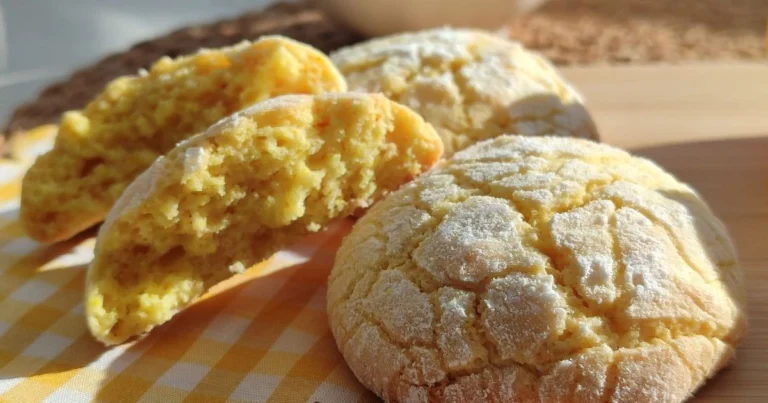
Bake at 350 degrees for ten to twelve minutes. As the cookies bake, the powdered sugar coating will crack and crinkle, creating that signature crinkle-top texture. The cracks will show the deep red cake underneath, which creates a stunning visual contrast. Let them cool on the sheet for five minutes before transferring to a rack.
The crinkle effect is what makes these cookies look fancy. It’s a simple technique that requires almost no skill, but it looks like you spent hours perfecting them. This is the secret weapon for impressing people without actually working hard.
Peppermint Bark Chocolate Cookies
Devil’s food cake mix is the base for these cookies, which are basically peppermint bark in cookie form. The dark chocolate and peppermint combination is classic, but most traditional recipes are complicated. This version is straightforward.
Use one box of devil’s food cake mix, one-third cup of vegetable oil, two eggs, one teaspoon of vanilla, and add one-half teaspoon of peppermint extract. Mix everything together. Fold in one cup of semi-sweet chocolate chips and one-half cup of crushed candy canes. The candy cane pieces should be small (about the size of pea gravel), not giant chunks.
Scoop onto a parchment-lined baking sheet and bake at 350 degrees for nine to eleven minutes. These cookies are darker and denser than the yellow cake mix versions because devil’s food is a heavier mix. They should look almost fudgy in the center when you pull them from the oven.
The optional finishing touch is a light drizzle of melted white chocolate across the top of the cooled cookies. It echoes the peppermint bark aesthetic and adds a visual element that makes them look intentional and polished. Melt four ounces of white chocolate in a microwave-safe bowl in thirty-second intervals, stirring between each interval until smooth. Dip a fork into the melted chocolate and wave it back and forth over the cookies to create thin lines. Let the chocolate set at room temperature for fifteen minutes before serving or storing.
Common Mistakes To Avoid With Cake Cookie Recipes?
Most people who struggle with cake mix cookies are making one of three mistakes. Knowing what to avoid saves you a batch of ruined cookies.
Preventing Excessive Spreading In The Oven
If your cookies are spreading into thin, flat discs instead of staying as thick, chewy mounds, you have an oil problem or a temperature problem. Most likely both.
Too much oil is the number one culprit. The recipe says one-third cup, and that’s a maximum. Measuring oil is easy to mess up because it’s liquid and can slosh around in the measuring cup. Use a liquid measuring cup, not a dry measuring cup, and level it carefully. If you’re using one-half cup or more, you’re adding too much fat, and the cookies will spread.
The second issue is oven temperature. If your oven runs hot (and many home ovens do), your cookies will spread before they have time to set. Use an oven thermometer to check the actual temperature. If your oven is running five to ten degrees hotter than the dial says, adjust accordingly. Bake at 345 degrees instead of 350. That small difference prevents excessive spreading.
The third issue is using old baking soda or baking powder. If your leavening agents are expired, they won’t do their job of helping the cookies rise and set quickly. Check the date on your box. If it’s been sitting in your cabinet for more than a year, replace it. Fresh leavening is essential.
Solving The Sticky Dough Dilemma
If your dough is so sticky that you can’t scoop it or shape it, you have too much moisture. This usually happens because you’re either using eggs that are larger than large, or you’re using an oil that’s thinner than vegetable oil (like canola oil, which has a different density).
The fix is simple: add flour. Start with one tablespoon of all-purpose flour and stir it in completely. If the dough is still too sticky, add another tablespoon. Most of the time, two to three tablespoons of extra flour is all you need. The dough should feel like soft playdough, not like batter.
If you’re making a batch and the dough is sticky, refrigerate it for thirty minutes. Cold dough is always easier to work with. The fats solidify slightly, and the flour fully hydrates, which firms everything up. You can also chill your cookie scoop in the freezer for a few minutes. A cold scoop makes it easier to release the dough without it sticking.
How Should You Store And Freeze Holiday Cake Mix Cookies?
Part of the appeal of cake mix cookies is that they stay fresh for days. But only if you store them correctly.
Short-Term Storage For Gift Baskets
Baked cookies stay fresh for three to four days in an airtight container at room temperature. This is the window where they’re at peak texture: still soft, still chewy, still delicious.
Layer them in an airtight container with parchment paper between each layer. The parchment prevents them from sticking together and protects the decorations if you’ve iced them. Don’t stack them more than three layers high, or the weight of the cookies on top will compress the ones on the bottom.
If you’re making gift boxes, assemble them no more than twenty-four hours before giving them. The cookies are best when they’re as fresh as possible. If you need to make them further in advance, bake the cookies and store them in an airtight container, then assemble the gift boxes the day before you give them.
Keep the containers away from direct sunlight and away from heat sources. Sunlight fades colors, especially on decorated cookies with food coloring. Heat softens the cookies and can melt any chocolate or icing decorations.
Freezing Dough Vs. Baked Cookies
Both frozen dough and frozen baked cookies work, but they serve different purposes. Frozen dough is ideal if you want to bake fresh cookies on demand. Frozen baked cookies are ideal if you want to prepare everything ahead and just thaw and serve.
To freeze dough, scoop it into balls and freeze them on a parchment-lined baking sheet for two hours. Once they’re solid, transfer them to a freezer bag and label it with the date and flavor. Frozen dough balls keep for up to three months. Bake them directly from frozen, adding two to three minutes to the baking time. They’ll bake up just as soft and chewy as fresh dough.
To freeze baked cookies, let them cool completely, then layer them in an airtight freezer container with parchment between each layer. Baked cookies keep for up to two months in the freezer. Thaw them at room temperature for thirty minutes before serving. They’ll taste exactly like freshly baked cookies.
The dough-freezing method is better if you want to bake cookies throughout the holiday season and serve them fresh. The baked-cookie method is better if you’re making a huge batch all at once and want to spread out the serving over several weeks.
Frequently Asked Questions
Can I Use Cake Mix Cookies For Dunking In Coffee Or Hot Chocolate?
Yes, absolutely. Cake mix cookies are softer and more absorbent than traditional butter cookies, which makes them ideal for dunking. They’ll soften quickly in hot liquid without falling apart. A ten to fifteen second dunk is usually perfect. The texture becomes almost cake-like, which is why people love them in coffee.
What’s The Difference Between Using Oil And Butter In Cake Mix Cookies?
Oil creates a softer, chewier cookie with a more tender crumb. Butter creates a slightly firmer cookie with more structure. The recipes always call for oil because it’s what produces the soft texture that makes cake mix cookies special. If you use melted butter instead, reduce the amount to one-quarter cup because butter has water content that oil doesn’t have. The cookies will still work, but they’ll be slightly less tender.
How Do I Make Cake Mix Cookies Without Eggs?
You can substitute two eggs with one-quarter cup of applesauce or one-quarter cup of mashed banana. The texture will be slightly more dense and cakey (less chewy), and the baking time might increase by one to two minutes. The cookies will still taste good, but they won’t have quite the same soft texture as the original recipe. Flax eggs don’t work as well because they don’t provide enough binding power for cake mix cookies.
Can I Add Extracts Like Almond Or Lemon To Cake Mix Cookies?
Yes. You can replace the vanilla extract with any other extract in a one-to-one ratio. Almond extract is particularly good in chocolate cake mix cookies. Lemon extract works beautifully with vanilla cake mix. Start with one-half teaspoon of a strong extract like almond and increase if you want a more pronounced flavor. You can also combine extracts: one-half teaspoon vanilla plus one-half teaspoon almond, for example.
What’s The Best Way To Mail Cake Mix Cookies As Gifts?
Pack them in an airtight container with parchment between each layer, then place that container inside a larger box with crumpled parchment paper or bubble wrap around all sides. The goal is to prevent shifting and crushing during shipping. Include a note that the cookies are best eaten within three days of arrival. Ship them early in the week so they don’t sit in a mailbox over a weekend. Consider using priority mail or express shipping to minimize transit time.
Can I Make Cake Mix Cookies In A Convection Oven?
Yes, but reduce the baking temperature by twenty-five degrees (bake at 325 degrees instead of 350) and check them at eight minutes instead of nine. Convection ovens circulate hot air more efficiently, so cookies bake faster and hotter. The lower temperature and shorter time prevent browning too quickly on the edges while the centers are still underbaked. Every convection oven is different, so watch your first batch carefully to dial in the exact timing.
How Many Cookies Does One Box Of Cake Mix Make?
One box of cake mix makes approximately forty to forty-eight cookies, depending on how large you scoop them. A standard two-tablespoon cookie scoop produces about forty-four cookies per box. If you use a larger scoop, you’ll get fewer cookies. If you use a smaller scoop, you’ll get more. This makes cake mix cookies incredibly efficient for large holiday gatherings or gift boxes.
Start Your Holiday Baking Today
You came into this article thinking that holiday baking had to be complicated. That professional-looking cookies required professional-level technique. That you didn’t have time to make homemade treats for your Christmas gatherings.
The truth is simpler. A box of cake mix and four basic ingredients are all you need to produce cookies that taste homemade, look intentional, and make people genuinely impressed. You’re not cheating by using cake mix. You’re being smart. You’re using a tool that was literally designed to make baking faster and more reliable.
Pick a flavor. Yellow cake mix with cinnamon and white chocolate. Red velvet with the powdered sugar crinkle. Devil’s food with peppermint bark. Any of them works. Mix, scoop, bake. Twelve minutes later, you have cookies that taste like you spent your entire day in the kitchen.
This is how busy people get holiday cookies done. Not by sacrificing quality. By being efficient about it.