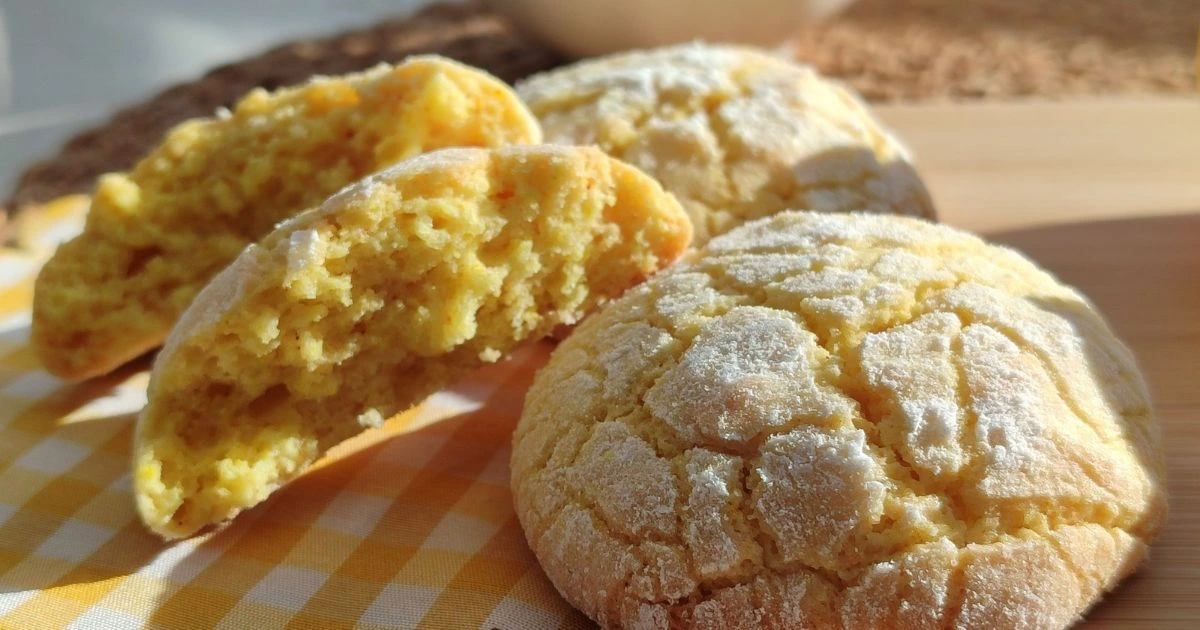
Yellow Cake Mix Cookies Recipe in 15 minute
Table of Contents
Your kitchen timer goes off, and you pull out a tray of perfectly golden cookies in under twenty minutes. No creaming butter. No sifting flour. No waiting for dough to chill. Just a box of yellow cake mix cookies, a couple of eggs, some oil, and whatever mix-ins caught your eye on the way to the oven.
That speed is not an accident. It is the entire reason cake mix cookies exist, and why thousands of home bakers reach for them when they need something impressive fast. The gap between “I want homemade cookies” and “I have homemade cookies” shrinks to almost nothing.
In this guide, you are going to learn exactly why cake mix cookies have become the secret weapon of smart bakers, the basic recipe that works every single time, and five flavor variations that make it look like you spent way more effort than you actually did. By the end, you will have a framework for making these cookies your own, whether you are baking for yourself, a crowd, or a holiday platter that needs to look intentional.
Why Do People Use Cake Mix For Making Cookies?
The honest answer is this: cake mix cookies are not a shortcut. They are a different category altogether. A shortcut implies you are cutting corners on something that matters. yellow cake mix cookies are just a smarter way to build a cookie from the ground up.
When you open a box of cake mix, you are opening a pre-engineered blend of flour, sugar, leavening, salt, and flavorings that took a food scientist’s career to balance. That balance is the whole thing. It means your cookies will be consistent. They will rise the right amount. They will have moisture without being gummy. They will hold their shape without spreading into a sheet of caramel.
Scratch baking is beautiful, and there is a reason people do it. But it also means you are making decisions about hydration ratios, gluten development, and leavening chemistry every single time. One extra tablespoon of flour and your cookies are dry. One minute too long in the oven and they are hard. With cake mix, those variables are already solved.
The Convenience Factor In Cake Mix Baking
Let us be specific about what convenience actually means here. It is not just that yellow cake mix cookies, are fast. It is that they eliminate three entire categories of friction that make from-scratch baking annoying.
First, there is no measuring and sifting flour. You do not need a scale. You do not need to aerate dry ingredients or worry about packing. You just dump the box into a bowl. Second, all the dry ingredients are already blended. No whisking together baking powder, baking soda, salt, and flour separately. Third, the flavor is already there. You do not need to decide whether to use vanilla, almond extract, or nothing. The box handled it.
What you actually do is this: crack two eggs into a bowl, pour in the cake mix, add oil, stir for about a minute, drop spoonfuls onto a sheet, and bake for fourteen minutes. No mixer required. No chilling. No resting time. That is the actual workflow, and it is why these cookies show up at bake sales, office potlucks, and holiday cookie swaps so consistently.
Cost-Effective Vs. From-Scratch Cookie Recipes
A box of cake mix costs between one and two dollars at most grocery stores. Add two eggs (pennies), half a cup of oil (maybe fifty cents), and you have made two to three dozen cookies for under three dollars total. That is roughly ten cents per cookie.
From-scratch butter cookies, by contrast, demand quality butter (expensive), fresh eggs (less of an issue), vanilla extract (adds up), and flour you have to buy in bulk to make the math work. A single batch of scratch sugar cookies can cost five to eight dollars in ingredients, and that is before mix-ins. You are looking at twenty to thirty cents per cookie, sometimes more if you are using European butter or real vanilla.
The yield is also different. A box of yellow cake mix cookies, produces roughly thirty to thirty-six cookies depending on size. You get predictable volume. If you are baking for a crowd, that consistency matters. You know exactly how many batches you need to make, and you know exactly what it will cost you.
Which is why the next thing that matters is the actual recipe, because once you understand why cake mix cookies work, the next step is learning how to make them work perfectly.
Basic Yellow Cake Mix Sugar Cookie Recipe
This is the foundation. Every variation in this article starts here. It is a three-ingredient base that produces a tender, buttery cookie with just enough structure to hold a mix-in, and enough flavor to stand on its own.
Ingredients You’ll Need
You need one 15.25-ounce box of yellow cake mix. Do not use a specialty blend or a flavored variant yet. Just the standard yellow cake mix. You need two large eggs. You need half a cup of vegetable oil. That is genuinely it for the base.
Optional additions that most people add: one-half teaspoon of vanilla extract (for depth), one-quarter teaspoon of salt (to balance sweetness), and whatever mix-ins you choose (chocolate chips, sprinkles, chopped nuts, dried fruit).
The oil is important. Butter would work, but it needs to be melted and cooled slightly, which adds a step. Oil mixes faster and produces a slightly tender crumb. If you only have butter on hand, melt half a cup, let it cool for five minutes, and proceed.
Step-By-Step Baking Instructions
Preheat your oven to 350 degrees Fahrenheit. This is not negotiable. Cake mix cookies brown quickly, and if your oven is hotter, they will brown on the outside before the inside sets.
Pour the entire box of yellow cake mix cookies into a large mixing bowl. Crack both eggs directly into the mix. Add the half cup of oil. Stir with a wooden spoon or rubber spatula until everything is combined. This takes about one minute. The dough will look slightly wetter than a standard sugar cookie dough, and that is correct. It should be thick enough to hold a shape but not so stiff that it cracks when you scoop it.
Drop spoonfuls of dough onto an ungreased baking sheet, spacing them about two inches apart. These cookies will not spread dramatically, but they do need room. You should get about twelve to fifteen cookies per standard sheet.
Bake for fourteen to sixteen minutes. The edges will set first and turn light golden. The center will still look slightly underbaked, which is the goal. Remove the sheet from the oven when the edges are set but the center still has a slight jiggle to it. They will continue to cook on the hot pan for another minute or two after you pull them out.
Let the cookies cool on the baking sheet for five minutes, then transfer them to a wire rack. At this point they should be fully set and ready to eat, frost, or store.
Pro Tips For Perfect Texture
The most common mistake is overbaking. These cookies are forgiving, but they do not want to bake past fourteen minutes. If you like a softer, chewier cookie, pull them out at the thirteen-minute mark when the edges are set but the center is still visibly soft. If you like them firmer, fourteen to fifteen minutes is your window.
Moisture control matters. If your kitchen is very dry, the dough might feel slightly stiff. Add one tablespoon of water at a time and stir until it reaches the right consistency. If your kitchen is humid, the dough might feel too soft. This is fine. Just refrigerate the dough for thirty minutes before scooping, and it will hold its shape better.
Do not chill the dough before baking on your first batch. Cake mix cookies do not need it. But if you are making multiple batches and the dough starts to warm up and spread, a quick fifteen-minute chill will reset it.
One more thing: do not use a mixer. Hand-stirring the dough takes one minute and produces a better texture. A mixer overworks the dough slightly and can make the cookies tougher than they need to be.
Now that you have the base recipe locked in, the real fun starts, because the framework for customization is simple and forgiving.
How Can You Customize Your Cake Mix Cookies?
The reason cake mix cookies are so popular is that they are a blank canvas. The cake mix provides structure and base flavor. Everything else is yours to decide.
The most straightforward customization is mix-ins, because they do not change the bake time or temperature. You just add them to the dough and proceed. But there are also flavor additions you can build into the dough itself, and toppings you can add after baking that transform the entire character of the cookie.
Mix-In Ideas Beyond Basic Sugar Cookies
Chocolate chips are the obvious choice, and they work beautifully. Add one cup of semi-sweet, dark, or white chocolate chips to the base dough. They soften slightly during baking but hold their shape. Do not use more than one and a quarter cups, or the cookies become top-heavy and spread unevenly.
Nuts add texture and sophistication. Chopped pecans, walnuts, or almonds work equally well. Toast them lightly in a dry skillet for two minutes before adding them to the dough, which brings out their flavor. Use about three-quarters of a cup per batch.
Sprinkles are not just for decoration. Mix them into the dough for pops of color and subtle flavor. Use one-half to three-quarters of a cup. The sprinkles will soften slightly during baking but will still be visible.
Dried fruit is underrated. Dried cranberries, chopped apricots, or diced dried cherries add brightness and chew. Use about three-quarters of a cup. If they are very dry, soak them in warm water for five minutes before adding them to plump them up slightly.
Shredded coconut brings tropical flavor without changing the texture. Use one-half to three-quarters of a cup of unsweetened coconut. Do not use sweetened coconut, which can make the cookies too sweet.
The rule is simple: do not exceed one and a quarter cups of total mix-ins, or the dough becomes too wet and the cookies spread. Otherwise, you can mix and match. Chocolate chips and almonds. Cranberries and pecans. White chocolate and coconut. Let your taste guide you.
Frosting And Topping Options
A simple glaze transforms these cookies into something that looks like a bakery bought them. Mix one and a half cups of powdered sugar with two to three tablespoons of milk and one-half teaspoon of vanilla extract. Stir until smooth. Dip the top of each cooled cookie into the glaze, let the excess drip off, and set it on a wire rack to dry. The glaze will set in about thirty minutes.
Buttercream is richer. Beat together four tablespoons of softened butter, one and a half cups of powdered sugar, and one tablespoon of milk until fluffy. Spread or pipe it onto cooled cookies. This is especially good on the lemon and brown butter variations.
Royal icing is for when you want something that dries hard and holds its shape. It requires egg whites or meringue powder, which is more involved, but it produces a professional finish. If you are decorating for a holiday platter, royal icing is worth learning.
Toppings can be as simple as a sprinkle of sea salt on top of the glaze, or a dusting of cinnamon sugar while the cookies are still warm. A small piece of candied lemon or a crushed candy cane works for specific variations.
The key is to let the glaze or frosting set before stacking the cookies, or they will stick together and mess up your presentation.
With the base recipe and customization framework solid, you are ready for the five variations that make these cookies look like you spent hours perfecting them.
5 Easy Flavor Variations Using Yellow Cake Mix
These are not complicated substitutions. They are small, intentional changes to the base recipe that produce completely different flavor profiles. Each one takes the same fourteen-minute bake time and the same basic technique. What changes is what you add to the dough before you scoop it.
Lemon Glazed Cake Mix Cookies
Add one tablespoon of fresh lemon zest to the base dough along with one-quarter teaspoon of lemon extract. The zest brings brightness and real citrus flavor. The extract reinforces it without making the cookies taste artificial.
Bake as normal. Once cooled, make a lemon glaze by combining one and a half cups of powdered sugar with two tablespoons of fresh lemon juice and one-half tablespoon of milk. Stir until smooth. Dip each cookie into the glaze and let it set on a wire rack.
The result is a cookie that tastes like you baked all day. The lemon cuts through the sweetness of the cake mix and creates something bright and spring-like, even in winter. These are excellent for Easter platters or anytime you want something that feels fresh.
Brown Butter Cake Mix Cookies
This is the one that makes people ask what your secret is. Replace the vegetable oil with brown butter. Here is how: melt half a cup of butter in a small saucepan over medium heat. Let it sit and bubble for about five to seven minutes. The milk solids will fall to the bottom and turn golden brown. You will smell a nutty, toasted aroma. That is the signal. Remove it from heat and let it cool for five minutes.
Use this brown butter in place of the oil in the base recipe. The dough will taste slightly different right away. It has depth. It has a toasted, almost caramel-like undertone that regular oil does not have.
Bake as normal. The cookies will brown slightly more than the standard version, so watch them carefully around the thirteen-minute mark. Pull them out when the edges are set and the center is just barely soft.
These cookies are perfect on their own, but they are even better with a simple vanilla glaze or a dusting of sea salt on top while they are still warm. The nuttiness of the brown butter is the star here, so do not overcomplicate it.
Cake Mix Cookies With White Chocolate Chunks
Chop a bar of white chocolate into uneven chunks, roughly the size of a chocolate chip but slightly larger and more irregular. Add one cup of these chunks to the base dough.
White chocolate has a lower melting point than dark or milk chocolate, so it will soften more during baking. That is fine. The chunks will meld slightly with the cookie dough and create pockets of sweetness and creaminess.
These cookies pair beautifully with dried cranberries or tart dried cherries mixed into the dough as well. The tartness of the fruit cuts through the sweetness of the white chocolate and creates balance. Use about three-quarters of a cup of white chocolate chunks and one-half cup of dried cranberries.
Bake as normal. Once cooled, these cookies are excellent on their own, but a light dusting of powdered sugar on top adds a finishing touch that makes them look intentional.
Almond-Flavored Cake Mix Sugar Cookies
Add one teaspoon of almond extract to the base dough. That is the entire change. One teaspoon of almond extract transforms the flavor profile completely. The cake mix base becomes a vehicle for the almond, and the result is a cookie that tastes sophisticated and bakery-quality.
Optional: add one-half cup of chopped or sliced almonds to the dough for texture and to reinforce the almond flavor. Toast the almonds lightly before adding them for even more depth.
Bake as normal. These cookies are excellent with a simple glaze, or with a thin layer of almond butter mixed into powdered sugar as a frosting. They are also beautiful on their own, dusted with a tiny pinch of sea salt while still warm.
Eggnog Spiced Cake Mix Cookies
This is the holiday variation. To the base dough, add one-quarter teaspoon of ground nutmeg, one-eighth teaspoon of ground cinnamon, and one-eighth teaspoon of ground cloves. Add one-half teaspoon of vanilla extract and one-quarter teaspoon of rum extract if you have it. If you do not have rum extract, just use vanilla and skip the rum.
The spices should be fresh. If your nutmeg has been sitting in the cabinet for two years, buy a new one. Stale spices will make the cookies taste flat.
Bake as normal. These cookies are perfect for holiday platters, and they pair beautifully with a cream cheese frosting or a simple vanilla glaze. The spice blend is warm and nostalgic without being overpowering. One cookie and people will immediately think of the holidays, even if it is July.
Now that you have five solid flavor variations, there is one more format choice that changes how these cookies work entirely.
Are Cake Mix Bar Cookies A Better Option?
Dropped cookies are the default, but they are not the only way to bake with cake mix. Bar cookies are a completely different animal, and for certain situations, they are actually superior.
How To Make Bar Cookies From Cake Mix
The dough is identical to the dropped cookie version. The difference is in how you bake it. Prepare a nine-by-thirteen-inch baking pan by lining it with parchment paper or greasing it lightly.
Make the cake mix dough exactly as you would for dropped cookies. Instead of scooping it onto a sheet, press it into the prepared pan. Use a spatula or your hands to spread it evenly. It will be about one-quarter to one-third of an inch thick.
Bake at 350 degrees Fahrenheit for fourteen to sixteen minutes, just like dropped cookies. The edges will set first, and the center will still have a slight jiggle. Pull it out when the edges are golden and the center is barely set.
Let it cool in the pan for ten minutes. Then cut it into squares or rectangles. A sharp knife works best. If you want neat edges, wipe the knife between cuts.
The yield is roughly twenty-four to thirty-six bars depending on size. You get more cookies from the same amount of dough, because there is no spreading and no waste.
When Bar Cookies Outperform Drop Cookies
Bar cookies are superior in three specific situations. First, when you need consistent portion control. Every bar is the same size. If you are bringing cookies to a party or packing them for lunch boxes, bars are more predictable than dropped cookies, which can vary in size depending on how much dough you scoop.
Second, when you are decorating for presentation. A platter of uniform bars looks more intentional and bakery-quality than a platter of slightly irregular dropped cookies. If you are frosting or glazing them, bars are easier to decorate evenly.
Third, when you want to minimize spreading and maximize structure. Bar cookies stay exactly where you put them. They do not brown unevenly or crisp up at the edges while the center stays soft. They bake uniformly, which means you get consistent texture across the entire batch.
The downside is that dropped cookies have more surface area for toppings and mix-ins to show. A bar cookie is a bar cookie. A dropped cookie can be a showcase for chocolate chips or nuts on top.
Choose the format based on your goal. If you need fast and pretty, bars win. If you want to show off mix-ins or toppings, dropped cookies win.
For holiday baking, the bar format becomes even more relevant, because the season demands volume and presentation.
Christmas Cookie Recipes Made With Cake Mix
Holiday cookie platters are an entire category of baking stress. You need volume. You need variety. You need them to look intentional. Cake mix cookies solve all three problems at once.
Festive Flavors For Holiday Cookie Platters
Peppermint bark cookies start with the base recipe. Add one-half teaspoon of peppermint extract and one-quarter teaspoon of vanilla extract to the dough. Fold in one-half cup of crushed candy canes and one cup of white chocolate chunks. Bake as normal. The result is a cookie that tastes like peppermint bark but with the texture of a tender cake mix cookie.
Gingerbread spice cookies use the eggnog spice blend from earlier, but intensified. Add one-quarter teaspoon of ground ginger, one-quarter teaspoon of ground cinnamon, one-eighth teaspoon of ground cloves, and one-eighth teaspoon of ground nutmeg. Add one-quarter teaspoon of molasses extract if you have it. The cookies will taste like gingerbread even though they are made from yellow cake mix. Frost them with cream cheese frosting for a holiday platter that looks like you spent all day baking.
Cranberry orange cookies use one tablespoon of fresh orange zest and one-quarter teaspoon of orange extract mixed into the base dough, along with one cup of dried cranberries. The tartness of the cranberries and the brightness of the orange create a cookie that feels festive and sophisticated.
Candy cane crush cookies are simple. Make the base recipe and fold in one cup of crushed candy canes. Do not crush them too fine. You want visible pieces. The cookies will be speckled with red and white, which is visually festive on a platter. They taste like vanilla cake with hints of peppermint, which is exactly what most people want from a holiday cookie.
Packaging Ideas For Homemade Cake Mix Cookies
Homemade cookies are a gift, and the packaging matters as much as the baking. A stack of beautiful cookies in a clear cellophane bag tied with a ribbon looks intentional and generous.
Bake your cookies the day before you plan to give them. Store them in an airtight container at room temperature. This keeps them fresh and gives you time to package them nicely.
For gift-giving, stack the cookies in a clear cellophane bag or a small cardboard box lined with parchment paper. Tie it with twine or ribbon. If you want to add a personal touch, include a small card with the recipe or a note about what flavor variation it is.
For holiday platters, arrange the cookies on a platter with a mix of shapes and colors. If you have made four or five different variations, alternate them so each cookie shows off a different flavor. The visual variety signals that you put thought into this.
If you are baking in bulk for a holiday party, the bar cookie format is your friend. You can make three or four batches of bars in the time it would take to make that many batches of dropped cookies, and they look more uniform on a platter.
Storage and make-ahead strategy is what makes bulk holiday baking actually feasible.
Storage And Make-Ahead Tips For Cake Mix Cookies
The reason cake mix cookies are popular for holiday baking is that they are forgiving about timing. You can make them days in advance. You can freeze the dough. You can even freeze the baked cookies. This flexibility is huge when you are juggling multiple recipes and holiday deadlines.
How Long Do Baked Cake Mix Cookies Last?
Baked cake mix cookies stay fresh at room temperature in an airtight container for five to seven days. The cake mix base keeps them moist longer than a traditional butter cookie would stay fresh. After three days, they might start to soften slightly, but they are still perfectly edible.
The key is the airtight container. Store them in a cookie tin, a glass container with a lid, or a resealable plastic bag. Do not leave them on the counter uncovered, or they will dry out and harden.
If you notice they are getting a bit hard after a few days, add a slice of bread to the container. The cookies will absorb moisture from the bread and soften back up. Replace the bread after a day or two.
Can You Freeze Cake Mix Cookie Dough?
Yes, absolutely. This is the secret to make-ahead holiday baking. Make the dough, scoop it into portions onto a baking sheet, and freeze the sheet for two hours. Once the dough balls are frozen solid, transfer them to a freezer bag and store them for up to three months.
When you are ready to bake, preheat your oven to 350 degrees Fahrenheit and place the frozen dough balls directly on a baking sheet. They do not need to thaw. Bake for sixteen to eighteen minutes instead of fourteen to sixteen. The extra time accounts for the fact that they are starting from frozen.
You can also freeze baked cookies. Let them cool completely, layer them in a freezer container with parchment paper between each layer, and freeze for up to three months. Thaw them at room temperature for about an hour before serving.
This make-ahead strategy means you can bake in batches over several weeks and have a freezer full of cookies ready to go for holiday parties, gift-giving, or last-minute platters.
The most common questions about cake mix cookies come down to troubleshooting and comparison, so let us address those directly.
Frequently Asked Questions About Cake Mix Cookies
What Is The Difference Between Cake Mix And Sugar Cookie Mixes?
Cake mix is formulated to produce a tender crumb with more moisture and a slightly softer structure than sugar cookie mix. Sugar cookie mixes are designed to produce a crisper, drier cookie. When you use cake mix to make cookies, you get a cookie that is closer to a soft, pillowy sugar cookie than a crispy snap cookie. If you prefer crispy cookies, sugar cookie mix is the better choice. But most people prefer the tender, cake-like texture that cake mix produces, which is why it has become the standard for this style of cookie.
Can You Use Expired Cake Mix For Cookies?
Cake mix has a printed expiration date, but it is usually conservative. Cake mix stored in a cool, dry place can be used up to six months past the printed date without significant quality loss. The leavening agents in the mix (baking powder and baking soda) lose potency over time, so very old cake mix might produce cookies that do not rise quite as much. If the mix smells off or has any visible signs of moisture or mold, discard it. Otherwise, expired cake mix is generally safe to use, though the results might be slightly different.
Why Are My Cake Mix Cookies Spreading Too Much?
Spreading happens when the dough is too warm or too wet. If your kitchen is very warm, refrigerate the dough for thirty minutes before scooping. If you added extra liquid or the eggs were very large, the dough might be too wet. Try reducing the oil by one tablespoon on your next batch. Also, make sure your oven is actually 350 degrees. If it is running hot, the cookies will spread faster. Use an oven thermometer to check. Finally, do not skip the cooling time on the baking sheet. These cookies need five minutes to set before you move them, or they will fall apart.
Do I Need To Chill Cake Mix Cookie Dough Before Baking?
No. Unlike scratch butter cookie dough, cake mix cookie dough does not need to be chilled before baking. You can scoop and bake immediately. If the dough starts to warm up and soften while you are making multiple batches, a quick fifteen-minute chill will help. But for a single batch, chilling is not necessary.
Can You Add Pudding Mix To Cake Mix Cookies For Extra Flavor?
Yes. Instant pudding mix is a popular addition. Use one-quarter to one-half of a 3.4-ounce pudding mix packet mixed into the dough. Butterscotch pudding mix, vanilla pudding mix, and pistachio pudding mix all work beautifully. This adds flavor and slight extra richness to the cookies. Reduce the eggs to one and one-half instead of two if you add pudding mix, because the pudding adds moisture.
What Is The Best Way To Decorate Cake Mix Cookies For Gifts?
Simple glazes and frostings work best. A vanilla glaze or buttercream frosting applied to cooled cookies creates a professional finish. If you want to get fancy, use royal icing for a more polished look. Let any frosting or glaze set completely before packaging, or the cookies will stick together. A simple dusting of powdered sugar or a sprinkle of sea salt adds visual interest without requiring complicated decorating skills.
How Do You Make Cake Mix Cookies Taste More Homemade?
Add one-half teaspoon of vanilla extract or another flavor extract to the dough. Use brown butter instead of oil. Toast any nuts or add fresh zest. These small additions make the cookies taste less like a box mix and more like something you spent time perfecting. The flavor variations in this article all follow this principle. You are not hiding the fact that you used cake mix. You are just elevating it with intentional additions.
Can You Make Cake Mix Cookies Without Eggs?
It is possible, but it is not ideal. Eggs provide structure and moisture. A one-to-one replacement with applesauce or mashed banana works, but the cookies will be denser and less fluffy. A better option is to use a commercial egg replacer according to package directions. The results will be closer to the original recipe.
With the foundation solid and the variations mastered, you have everything you need to make these cookies your signature move.
Master Cake Mix Cookies With This Simple Recipe
The entire framework comes down to this: a box of cake mix is not a shortcut. It is a delivery system for a perfectly balanced blend of flour, sugar, leavening, and flavor. Everything you build on top of that foundation is yours to decide.
You started with the basics. Two eggs, half a cup of oil, fourteen minutes, and a golden cookie. Then you learned how to customize with mix-ins and toppings. Then you learned five distinct flavor variations that make it look like you spent all day perfecting them. You learned the bar cookie format for when you need volume and uniformity. You learned how to make these cookies work for holiday platters. You learned how to freeze dough and baked cookies so you can spread the baking across weeks instead of days.
The real insight is this: yellow cake mix cookies are not about cutting corners. They are about building something intentional quickly. A baker who knows how to take a box of cake mix and turn it into five completely different flavor profiles, who knows when to use bars instead of dropped cookies, who knows how to frost and package them for gift-giving, is not taking a shortcut. That baker is working smarter.
Start with the base recipe this week. Pick one flavor variation and commit to it. Make a batch, taste it, and notice how fast it was and how good it turned out. Then next week, try a different variation. By the end of a month, you will have a framework in your head that you can pull from whenever you need homemade cookies fast. That is the entire game.