How to Make Pumpkin Bundt Cake in 2026
Table of Contents
Why does your homemade pumpkin bundt cake always end up either too dense or too dry, even when you follow the recipe perfectly?
The answer is simpler than you think: you’re probably not using the one ingredient that guarantees moisture and texture every single time. A pumpkin bundt cake isn’t a shortcut that tastes like one. It’s actually the professional move. Box cake mix is engineered for moisture retention. Pumpkin puree adds density and flavor. A bundt pan distributes heat like nothing else. Combine them, and you get a cake that stays moist for days, looks like you spent three hours on it, and genuinely tastes like fall in every bite.
Here’s what separates the ones that work from the ones that don’t: the ratio of wet to dry, the pan prep, and knowing exactly when to stop stirring. This guide walks you through all of it.
Why Choose A Bundt Cake For Your Pumpkin Dessert?
A pumpkin bundt cake isn’t just a pretty shape. It’s a piece of baking engineering. The tall, fluted sides mean more surface area for heat to circulate around, which translates to even baking from the center outward. No dry edges. No gummy middle. Just consistent texture top to bottom.
The pumpkin bundt cake also looks expensive the moment it comes out of the pan. No frosting required (though you can add it). No layering. No piping skills. The cake itself is the statement piece. Flip it onto a cooling rack, and the ridged exterior catches light in a way that makes people assume you’re a serious baker. You’re not. You’re just smart about vessel choice.
Storage is another win. A bundt cake sits on a plate without needing a cake stand or a carrier. It’s portable. It slices cleanly. Individual pieces stay moist because the dense crumb holds onto moisture better than a thin layer cake ever could. You can make it on Tuesday and serve it Thursday without it turning into a hockey puck.
The Advantage Of Using Cake Mix As Your Base
pumpkin bundt cake gets a bad reputation, usually from people who’ve never actually tasted a good one. The truth is different. Box cake mix is formulated with stabilizers and emulsifiers that home bakers have to work hard to replicate from scratch. Those ingredients do one thing exceptionally well: keep the cake moist for days.
Scratch baking gives you control over flavor, sure. But it also gives you risk. One extra tablespoon of flour, one less egg, a slightly hotter oven, or humidity in your kitchen, and suddenly you’re troubleshooting a dense, dry cake. Box mix removes that variable. The ratio is locked in. The leavening is measured. You’re starting from a stable foundation.
And let’s be honest about time. Scratch baking requires creaming butter and sugar, sifting dry ingredients, tempering eggs. A cake mix gets you to the oven in under ten minutes of active work. You’re not sacrificing quality. You’re being efficient. Professional bakers use pumpkin bundt cake in restaurants. The markup on a cake mix bundt cake is the same as a scratch cake. The difference is what you do with the mix.
How Bundt Pans Create Even Baking And Beautiful Presentation
The bundt pan’s hollow center tube is the secret. It conducts heat directly into the middle of the cake, which means the center bakes at the same rate as the edges. Traditional round pans? The center is always the last thing to set. You either overbake the edges waiting for the middle, or you underbake the middle to save the edges. A bundt pan solves this.
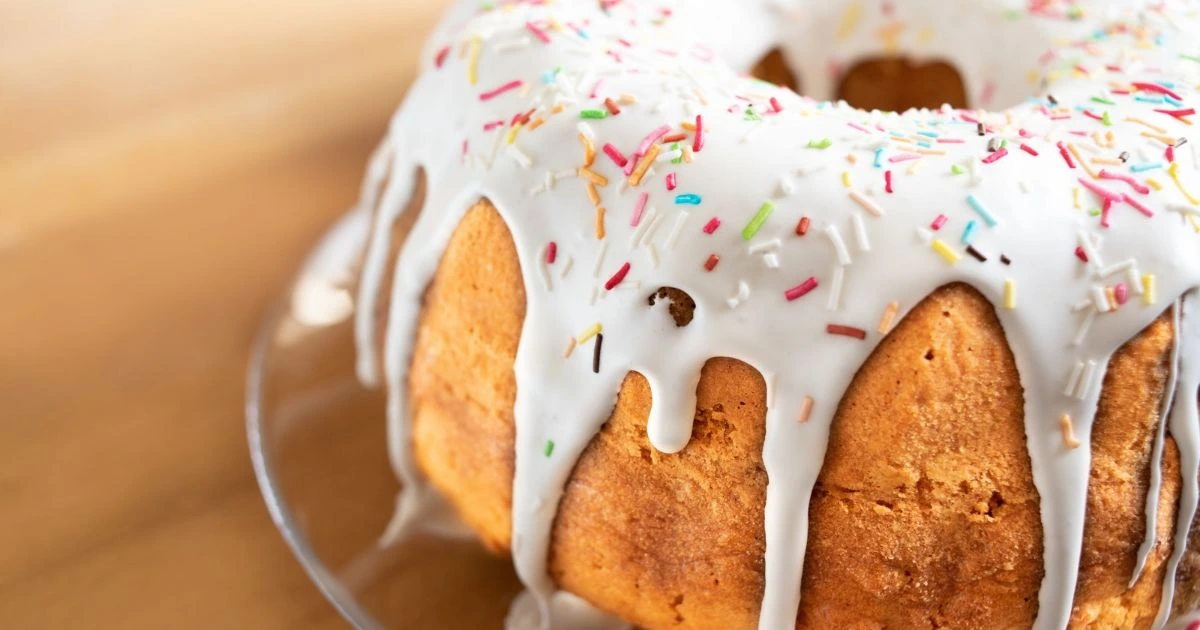
The fluted sides also mean you don’t need to frost the cake to make it look intentional. The ridges create shadow and depth. A simple dusting of powdered sugar or a thin glaze catches in those grooves and looks like you spent hours decorating. You spent five minutes. The pan did the work.
Heat distribution is also more forgiving. The wider surface area means no hot spots. The cake rises evenly. The top doesn’t crack or dome excessively. You get a cake that looks professional without any of the fussiness.
What Ingredients Do You Need For This Pumpkin Bundt Cake?
The ingredient list is short, which is the entire point. One box of cake mix (yellow or spice), one 15-ounce can of pumpkin puree, three eggs, half a cup of vegetable oil, two teaspoons of pumpkin pie spice, and a quarter cup of water. That’s it. Those six things become a cake that tastes like you roasted actual pumpkins and blended them with cream.
The pumpkin puree does the heavy lifting. It adds moisture, density, and that mellow, earthy sweetness that makes people ask for the recipe. The spice mix (cinnamon, nutmeg, ginger, clove) is already in most cake mixes if you choose spice cake, but adding an extra teaspoon of pumpkin pie spice on top deepens the flavor without making it taste artificial. Oil keeps the crumb tender. Eggs bind everything and add richness.
Water is the adjustment that most people skip, and it’s why their cakes come out dense. The pumpkin puree is thick. It doesn’t spread through the batter the way milk or water does. Adding water loosens the batter, ensures even distribution of pumpkin bundt cake throughout, and prevents a gluey texture. This is the one step that separates a moist pumpkin bundt cake from a brick.
Selecting The Right Cake Mix Flavor
You have two choices: vanilla or spice. Yellow cake mix (which is vanilla) is neutral. It lets the pumpkin and pumpkin pie spice take center stage. You control the flavor entirely through what you add. Spice cake mix is already seasoned, which means the final cake has a deeper, more complex spice profile right out of the box.
Neither is wrong. Yellow cake mix gives you a cleaner, brighter pumpkin flavor. Spice cake mix gives you a darker, more traditionally “fall” cake. If you’re making this in September or early October, go yellow. You want the pumpkin flavor to shine. If you’re making it in November or December, spice cake mix is your move. The deeper spice blend feels more seasonal.
Check the box before you buy. Some spice pumpkin bundt cake have more pronounced cinnamon. Others are heavier on clove or ginger. Taste preference matters here. If you like clove-forward baking, pick a spice cake that lists clove early in the ingredients. If you prefer cinnamon, grab one where cinnamon is the first spice listed.
Optional Mix-Ins And Topping Ideas
The base recipe is perfect as is, but you can absolutely elevate it. Chopped pecans or walnuts folded into the batter add texture and a subtle earthiness that pairs beautifully with pumpkin. Use about three-quarters of a cup, stirred in just before pouring into the pan. The nuts toast slightly as the cake bakes and distribute evenly through the crumb.
Chocolate chips are unexpected but work. Half a cup of mini chocolate chips folded in creates little pockets of richness. Dark chocolate is better than milk chocolate. It doesn’t compete with the pumpkin. It complements it. Some people add a swirl of chocolate ganache between the batter layers (pour half the batter, add a thin chocolate layer, then top with remaining batter), which creates a hidden surprise when the cake is sliced.
For toppings, cream cheese frosting is the classic move. A thin glaze made from powdered sugar, cinnamon, and milk is lighter and lets the cake shine. Brown butter glaze adds nuttiness. Salted caramel drizzled over the top is indulgent. You can also dust the cooled cake with cinnamon sugar or a light coating of powdered sugar and call it done. The fluted sides mean even a simple dusting looks intentional.
How Do You Prepare Your Bundt Pan Correctly?
This is where most people fail. A bundt pan has crevices and corners. If you don’t prep it right, your cake sticks and tears when you flip it. Worse, it breaks apart in the pan and you end up with cake shards instead of a whole cake. The prep takes two minutes and prevents an hour of frustration.
Use a non-stick cooking spray designed for baking, or use softened butter and flour. Spray is faster. Butter and flour is more reliable if your spray can is old or clogged. Either way, you need to coat every surface, including the center tube and the bottom ridges. Use a pastry brush or a small paper towel to make sure you’ve hit every crevice. Then, if you used spray, wipe out any pooled liquid with a paper towel. If you used butter and flour, tap the pan upside down over the sink to remove excess flour.
Some bakers use a specialized bundt pan spray that includes flour already mixed in. That’s the easiest option if you have it. Spray once, wipe the excess, and you’re done. No separate flour step.
Best Greasing Methods For Non-Stick Results
Cooking spray alone works if the spray is fresh and applied generously. The problem is that spray can dry out or clog, and then you’re left with bare spots. You won’t know until you flip the cake. Butter and flour is the old-school method and it’s reliable. Soften a tablespoon of butter, use a pastry brush to coat the entire pan, then dust with flour. Tap out the excess. The flour creates a barrier that prevents sticking.
Some bakers swear by a combination: spray first, then dust with flour. This gives you the speed of spray with the insurance of flour. It takes thirty seconds and removes all doubt. The flour coating is thin enough that it doesn’t affect the cake’s exterior texture.
Coconut oil works in a pinch, but it can leave a residue. Olive oil is too heavy and can affect flavor. Stick with butter, neutral oil, or spray. These are the only three options that won’t cause problems.
Common Prep Mistakes That Lead To Sticking
The biggest mistake is not coating the center tube. People focus on the outer walls and forget that the tube is just as important. The tube is where the cake is most likely to stick because it’s the thinnest, most delicate part. When you flip the cake, if the tube isn’t fully coated, it grabs the cake and tears it.
The second mistake is using too much flour. You don’t need a thick coating. You need a thin, even dusting. Excess flour creates a gritty texture on the exterior and can actually cause sticking if it clumps. One or two taps of the pan to remove excess is enough.
The third mistake is flipping the cake too early. You need to let it cool in the pan for at least ten to fifteen minutes before flipping. The cake is still setting during this time. If you flip too early, it’s fragile and tears easily. If you wait too long (more than thirty minutes), it can stick as the cake contracts and clings to the pan. The sweet spot is about twelve minutes.
What Are The Step-By-Step Instructions For Mixing And Baking?
Preheat your oven to 325 degrees Fahrenheit. Yes, 325, not 350. The lower temperature means more even baking and less risk of the edges burning before the center sets. This is especially important with a bundt cake because the center tube heats faster than the outer edges.
Prepare your bundt pan using one of the methods above. This takes two minutes and prevents disaster.
In a large mixing bowl, combine the cake mix, pumpkin puree, eggs, oil, pumpkin pie spice, and water. Use an electric mixer on low speed for about one minute. You’re not trying to whip air into this batter. You’re trying to combine the ingredients until there are no visible streaks of dry cake mix and the batter is smooth. Stop as soon as it looks combined. Overmixing develops gluten, which makes the cake tough and dense. Thirty seconds too long and the texture changes.
Pour the batter into the prepared bundt pan. Use a spatula to spread it evenly. You don’t need to tap the pan on the counter. Just make sure the batter is level and there are no large air pockets on the surface.
Combining Cake Mix With Pumpkin And Eggs
The order matters slightly, but not as much as people think. Dump the dry cake mix into the bowl first. Add the pumpkin puree. Add the eggs. Add the oil. Add the spice. Add the water last. This order means you’re mixing wet ingredients together before incorporating the dry mix, which helps prevent lumps of dry mix from hiding in the batter.
Mix on low speed. If you use high speed, you’re incorporating too much air and creating a batter that rises too quickly in the oven, which causes the top to dome and sometimes crack. Low speed takes an extra thirty seconds but gives you a more stable batter.
The batter should be thick but pourable. It won’t be as thin as a typical cake batter because of the pumpkin puree, but it shouldn’t be stiff like a brownie batter either. If it looks too thick, add a tablespoon of water at a time until it reaches the right consistency. If it looks too thin, you either added too much water or didn’t use a full can of pumpkin puree. You can’t really fix thin batter, so just proceed. It might bake a bit faster, but it should still turn out.
Do not overmix. Seriously. This is the number one reason people end up with dense, tough cake. Mix until combined. Stop. Do not keep mixing because you think more mixing equals better results. It doesn’t. It’s the opposite.
Baking Time And Temperature For Perfect Doneness
Bake at 325 degrees Fahrenheit for forty-five to fifty-five minutes. The range depends on your oven. Some ovens run hot. Some run cool. The bundt pan material also matters. Dark pans bake faster than light pans. Ceramic bundt pans bake differently than metal ones.
At forty-five minutes, insert a toothpick into the thickest part of the cake (not the center tube, but the cake itself). If it comes out clean or with just a few moist crumbs, the cake is done. If it comes out wet with batter, bake for another five minutes and check again. The goal is a toothpick that has a few crumbs but no wet batter. This means the cake is fully set but still moist.
If you have a convection oven, reduce the temperature to 300 degrees and reduce the baking time to thirty-five to forty-five minutes. Convection ovens circulate hot air, which speeds up baking. Watch the cake starting at thirty minutes. The same toothpick test applies.
Do not open the oven door before forty minutes have passed. Every time you open the door, you’re releasing heat and disrupting the baking process. This can cause the cake to sink in the middle or bake unevenly. Set a timer for forty minutes, then start checking.
How Should You Cool And Frost Your Pumpkin Bundt Cake?
The cooling process is just as important as the baking process. Remove the cake from the oven and let it sit in the pan for exactly ten to fifteen minutes. During this time, the cake continues to set and contracts slightly from the sides of the pan. This contraction is what allows you to flip it out cleanly.
After ten to fifteen minutes, place a cooling rack over the top of the bundt pan and flip the entire thing over in one smooth motion. If you hesitate or flip slowly, the cake can break. Be confident. Flip. Lift the pan away. If the cake doesn’t release immediately, tap the bottom of the pan gently with a rubber mallet or the handle of a wooden spoon. Don’t bang it. Tap it. Small, gentle taps usually release the cake.
If the cake still doesn’t release, slide a thin knife around the edges of the pan, including around the center tube, to loosen it further. Then try flipping again. Once the cake is on the rack, let it cool completely before frosting. This takes about an hour. If you frost a warm cake, the frosting will melt and slide off.
Timing The Flip: When Is Your Cake Ready To Release?
The ten to fifteen-minute window is crucial. Flip too early (before five minutes), and the cake is still soft and tears. Flip too late (after thirty minutes), and the cake has cooled too much and contracts away from the pan, which can cause it to stick. The sweet spot is when the cake is still slightly warm but firm enough to hold its shape.
You’ll feel the difference when you flip it. If the cake is ready, it releases with minimal resistance. If it’s not ready, you’ll feel it stick or grab. If it grabs, flip it back into the pan, wait another minute or two, and try again. There’s no penalty for trying multiple times. Better to wait an extra minute than to rip the cake apart.
Once the cake is fully cooled on the rack, you can move it to a serving plate and add frosting or glaze. If you’re not frosting it immediately, cover it loosely with a kitchen towel to prevent it from drying out.
Cream Cheese Frosting Vs. Simple Glaze
Cream cheese frosting is rich and tangy. It complements the pumpkin spice beautifully. To make it, beat eight ounces of softened cream cheese with four tablespoons of softened butter until light and fluffy. Add two cups of powdered sugar and one teaspoon of vanilla extract. Mix until smooth. Spread or pipe onto the cooled cake. This frosting is thick and holds its shape. It’s the fancy option.
A simple glaze is lighter. Mix one and a half cups of powdered sugar with two to three tablespoons of milk and a pinch of cinnamon. Whisk until smooth. Drizzle over the cooled cake. The glaze will pool slightly in the ridges and create a beautiful presentation. It’s less sweet than frosting and lets the cake’s flavor shine.
Brown butter glaze is a middle ground. Melt four tablespoons of butter in a small saucepan over medium heat, stirring occasionally, until it turns golden brown and smells nutty (about five minutes). Let it cool for a few minutes. Whisk in one and a half cups of powdered sugar and a tablespoon of milk. Drizzle over the cake. This frosting adds depth and sophistication without being overly rich.
Can You Make Pumpkin Cake Recipes Using Cake Mix Ahead?
Yes. This is one of the best things about a bundt cake. It actually improves over time. The flavors deepen. The texture becomes more moist as the pumpkin puree and oil redistribute throughout the cake. A cake made on Monday tastes better on Wednesday than it does on Monday.
This makes bundt cakes perfect for entertaining. You can make it three days before the event, store it properly, and serve it when you’re ready. No last-minute baking stress.
Storing Your Bundt Cake For Maximum Freshness
Store the cooled, unglazed cake in an airtight container at room temperature. If you’ve already frosted it, cover it loosely with plastic wrap instead of sealing it in a container. The frosting needs a tiny bit of air circulation or it can get tacky.
At room temperature, the cake stays fresh for four to five days. After that, it starts to dry out slightly. The flavor is still fine, but the texture becomes a bit crumbly. If you want to keep it longer, freeze it.
Do not refrigerate an unfrosted cake. The refrigerator dries out baked goods faster than room temperature does. If the cake is frosted with cream cheese frosting, you can refrigerate it, but only for a few days. Bring it to room temperature before serving for the best texture and flavor.
Freezing And Thawing Techniques
Wrap the cooled, unfrosted cake tightly in plastic wrap, then wrap it again in aluminum foil. This double-layer wrapping prevents freezer burn. Label it with the date. It will keep in the freezer for up to three months.
To thaw, remove the foil and plastic wrap and let the cake sit on the counter for two to three hours. Don’t unwrap it while it’s thawing. The condensation that forms on the outside protects the cake from drying out. Once it’s fully thawed, unwrap it and add frosting or glaze.
If you’ve already frosted the cake with cream cheese frosting, wrap it carefully and freeze it. Thaw it in the refrigerator overnight, then bring it to room temperature before serving. The frosting may look slightly separated or watery when you first thaw it. This is normal. Let it sit on the counter for thirty minutes and it will reabsorb and smooth out.
Do not freeze a cake with a glaze. The glaze becomes weepy and separates from the cake as it thaws. Glaze the cake after thawing if you want the best presentation.
What Flavor Variations Work With Your Pumpkin Bundt Cake Base?
The base recipe is a blank canvas. You can take it in a dozen different directions without changing the core formula.
Spice-Forward Variations For Deep Fall Flavors
If you want a more complex spice profile, increase the pumpkin pie spice to three teaspoons instead of two. Add a quarter teaspoon of ground ginger and an eighth teaspoon of ground clove. This creates a deeper, almost chai-like flavor. Some bakers add a pinch of ground black pepper, which sounds weird but adds an unexpected warmth that makes people ask what the secret ingredient is.
For a gingerbread mashup, add one teaspoon of ground ginger, a half teaspoon of ground clove, and a quarter teaspoon of ground allspice. This shifts the flavor from “pumpkin spice” to “spiced gingerbread with pumpkin,” which is a totally different beast. It’s darker and more complex.
If you like nutmeg-forward cakes, add an extra half teaspoon of nutmeg on top of the pumpkin pie spice. Nutmeg can overwhelm a cake if you’re not careful, but a half teaspoon extra just deepens the flavor without making it taste medicinal.
Unexpected Flavor Combinations To Try
Maple and pumpkin are a classic pairing. Reduce the water to two tablespoons and add two tablespoons of pure maple syrup to the batter. This adds a subtle maple note that complements the pumpkin without overpowering it. Glaze with a maple glaze made from powdered sugar and maple syrup instead of milk.
Brown sugar and brown butter is indulgent. Use half a cup of packed brown sugar instead of the spice mix. Add four tablespoons of browned butter to the batter instead of vegetable oil. This creates a cake that tastes like caramel and pumpkin. Finish with a brown butter glaze.
For something more adventurous, add a quarter teaspoon of espresso powder to the batter. This doesn’t make the cake taste like coffee. It deepens the pumpkin flavor and adds a subtle earthiness. Coffee and pumpkin is a real pairing used by high-end bakeries.
Bourbon or rum adds sophistication. Replace the water with two tablespoons of bourbon or dark rum. This adds a subtle warmth and depth. It’s not a strong flavor, just an undertone. You can also drizzle a bourbon glaze over the top for more pronounced flavor.
How Do You Troubleshoot Common Pumpkin Bundt Cake Problems?
Even with the best intentions, things sometimes go wrong. Here’s how to fix the most common issues and prevent them next time.
Why Your Cake Came Out Dry (and How To Fix It)
A dry cake usually means one of three things: overbaking, not enough oil, or too much flour. Check your oven temperature with an oven thermometer. Many home ovens run five to ten degrees hotter or cooler than they claim. If your oven runs hot, reduce the temperature by ten degrees and add five minutes to the baking time. This gives you more control.
Make sure you’re using the full half cup of oil. Some people reduce it thinking it will make the cake healthier. It won’t. It’ll make it dry. Oil is what keeps the cake moist. Don’t skimp.
If you added extra flour for any reason, that’s the problem. Flour absorbs moisture. Extra flour means a drier cake. Measure flour by weight if you have a scale. If you’re using measuring cups, spoon the flour into the cup and level it off. Don’t scoop directly from the bag. Scooping compacts the flour and you end up with more than you intended.
If the cake is already baked and dry, brush the top with a simple syrup made from equal parts sugar and water heated until the sugar dissolves. This adds moisture back into the cake. Or serve it with a glaze or frosting, which adds moisture to each bite.
Fixing A Sunken Center Or Dense Texture
A sunken center usually means the oven temperature was too high or the cake baked too long. The edges set and started to pull away from the pan before the center was fully set. The center then collapsed as it cooled. Next time, reduce the oven temperature by ten degrees and check for doneness starting at forty minutes instead of forty-five.
Dense texture means the batter was overmixed. You developed too much gluten, which tightened the crumb. Mix on low speed and stop as soon as the batter is combined. This is non-negotiable. Overmixing is the number one cause of dense bundt cakes.
A sunken center can also mean you opened the oven door too early or too many times. Every time you open the door, you’re releasing heat and disrupting the rise. Set a timer for forty minutes and don’t open the door until that timer goes off. Then check for doneness with a toothpick.
If the cake is already baked and dense, there’s no fix. But you can learn from it. Cake mix should bake into a tender crumb. If yours is dense, the problem is in the mixing or the temperature. Make a note and try again.
Frequently Asked Questions
Can I Use Pumpkin Pie Filling Instead Of Pumpkin Puree?
No. Pumpkin pie filling already has sugar and spices added. If you use it, the cake will be overly sweet and the spice flavor will be muddled. Stick with pure pumpkin puree. It’s the same price and gives you better control over the final flavor.
What If I Don’t Have A Bundt Pan?
You can use a regular 9-inch round or square cake pan. The baking time might be slightly shorter (check at thirty-five minutes instead of forty-five). The cake won’t have the beautiful fluted exterior, but the flavor and texture will be the same. You’ll just need to frost it to make it look intentional.
Can I Make This Recipe With Oil Instead Of Butter?
The recipe already uses oil, not butter. This is intentional. Oil keeps cakes moist longer than butter does. Stick with oil.
How Long Does The Cake Last After Baking?
At room temperature in an airtight container, the cake stays fresh for four to five days. In the freezer (wrapped tightly), it lasts up to three months. The cake actually tastes better on day two or three as the flavors meld and the texture becomes more moist.
Can I Add Nuts To The Batter?
Yes. Chopped pecans or walnuts (about three-quarters of a cup) fold in beautifully. Add them to the batter just before pouring into the pan. They toast slightly as the cake bakes and add texture and earthiness. Do not use more than one cup or they can make the cake heavy.
What’s The Difference Between Yellow Cake Mix And Spice Cake Mix?
Yellow cake mix is vanilla-based and neutral. Spice cake mix is already seasoned with cinnamon, nutmeg, and other warm spices. Yellow gives you a cleaner pumpkin flavor. Spice gives you a deeper, more traditionally “fall” cake. Both work. Pick based on the flavor profile you want.
Do I Need To Sift The Cake Mix?
No. Cake mix is already sifted during manufacturing. Sifting it again is unnecessary and can actually introduce too much air into the batter, which causes the cake to rise too quickly and dome or crack. Use it straight from the box.
Can I Make This Cake With Applesauce Instead Of Oil?
You can replace half the oil with applesauce, but not all of it. Oil is what keeps the cake moist. If you use only applesauce, the cake will be dry. Half oil and half applesauce works and reduces the fat content slightly without sacrificing moisture.
Perfect Your Pumpkin Bundt Cake Baking
The secret to a perfect pumpkin bundt cake isn’t complicated. It’s one box of cake mix, one can of pumpkin puree, a few eggs, oil, and the patience to not overmix. The bundt pan does the work of making it look beautiful. The lower oven temperature ensures even baking. The water in the batter keeps it moist for days.
You started this thinking you needed to be a skilled baker to pull off a pumpkin cake that impresses people. Turns out, you just needed to know that a box cake mix isn’t a shortcut at all. It’s the professional choice. Bakeries use it. Home bakers should too. Make it once, and you’ll understand why this approach works so well. Make it twice, and you’ll be experimenting with variations. Make it three times, and you’ll have perfected your own version that your family asks for every fall.