Cake Cookie Recipe: 5 Best Ways to Use Cake Mixes
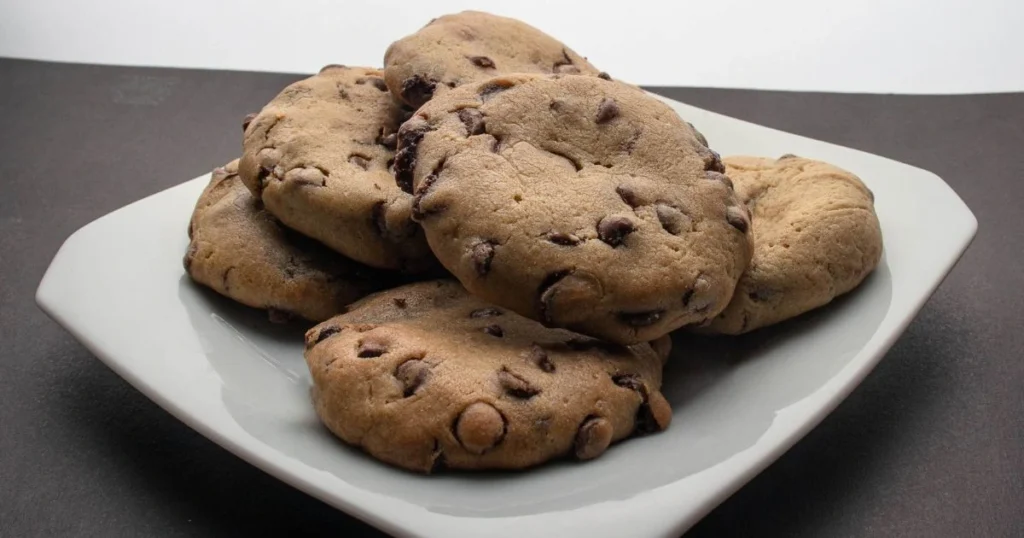
Table of Contents
Thirty-eight minutes. That is the exact amount of time it took for my last batch of traditional, from-scratch cookies to go from “perfectly golden” to “rock hard frisbee” because I bumped the flour ratio by a mere ten grams. Baking is often a game of unforgiving chemistry where one cold egg or a slightly packed measuring cup ruins the afternoon. But there is a shortcut that feels like a legal cheat code in the culinary world. When you use a cake cookie recipe, you are essentially hijacking a pre-engineered flavor profile and a perfectly balanced leavening system to create a treat that is impossibly chewy on the inside and delicately crisp on the edges.
The beauty of this method lies in the moisture. Because box mixes are designed to hold onto hydration to create a lofty sponge, they translate into a cookie that stays soft for days longer than your standard bakery fare. It is the ultimate low-effort, high-reward move for anyone who wants the house to smell like a professional patisserie without the three-hour cleanup. We are talking about a three-ingredient foundation that you can whip up while your coffee is still brewing. It is fast, it is consistent, and it is going to change how you look at that lonely box of yellow mix in your pantry.
Why Is a Cake Cookie Recipe the Best Time-Saver?
Every professional baker knows that the secret to consistency is a standardized dry base. In a standard kitchen, you are measuring flour, baking powder, baking soda, salt, and sugar individually. Each one of those steps is an opportunity for a measurement error. A box mix eliminates that entire margin of error because the ratios are locked in at the factory. When you pivot from a cake to a cookie, you are simply reducing the liquid to create a dough rather than a batter. This creates a highly concentrated flavor that is difficult to replicate with just flour and sugar.
The science here is actually quite brilliant. Cake mixes contain emulsifiers and specific types of starches that are meant to create a fine crumb. When you introduce fat and eggs without the heavy volume of water or milk required for a cake, those starches bond tightly. The result is a dough that holds its shape beautifully but maintains a tender, melt-in-your-mouth quality that bypasses the toughness often found in over-mixed traditional doughs. It is efficiency wrapped in a layer of sugar.
The Perfect Texture of Cake Mix Cookies
If a traditional chocolate chip cookie is a sturdy hiking boot, these are silk slippers. They have a pillowy, almost cloud-like interior that feels more substantial than a wafer but lighter than a brownie. This specific texture is what we call the “Soft-Center Standard.” Because the mix is finely milled, you don’t get the gritty sugar crystals that sometimes plague homemade batches. You get a smooth, uniform bite every single time.
Essential Ingredients for Any Cake Mix Base
To turn that powder into gold, you need a reliable fat source and a binder. The Triple-Threat Base is the framework I live by: one box of mix, two large eggs, and a half-cup of neutral oil. This ratio works for roughly 90 percent of the mixes on the market today. If you want to elevate the profile, swap the oil for melted salted butter to add depth, or add a teaspoon of high-quality vanilla bean paste. These small tweaks bridge the gap between “boxed” and “boutique.”
Which is why the next thing you need to master is the most versatile flavor in the lineup.
How Do You Make Classic Yellow Cake Mix Cookies?
There is a specific nostalgia attached to yellow cake. It has that buttery, custard-adjacent flavor that white cake lacks and a versatility that chocolate can’t match. Making yellow cake mix cookies is the fastest way to win a bake sale or a Friday night movie marathon. The yellow base is naturally more resilient because of the higher fat content often found in the mix itself, which translates to a richer, more golden finish once they hit the cooling rack.
The process is straightforward: dump the mix into a bowl, add your wet ingredients, and stir until a stiff dough forms. You aren’t looking for a pourable liquid here. You want something that feels like play-dough. If it feels too oily, don’t panic. The flour in the mix needs a few minutes to fully hydrate. Let the bowl sit for five minutes before you start scooping, and you will see the texture transform into a workable, non-sticky mass.
Mixing Ratios for the Ultimate Chewy Result
Precision matters even in “easy” recipes. For a standard 15.25-ounce box, sticking to two eggs and a half-cup of fat is the sweet spot. If you find your dough is sticking to your hands, try the Chill-First Protocol. Pop the dough in the fridge for twenty minutes. This firms up the fats and makes it much easier to roll into perfect spheres, ensuring they bake upward rather than spreading into a flat puddle on the pan.
Variations Using Chocolate Chips and Sprinkles
Once you have the yellow base down, it is time to play. Fold in a cup of semi-sweet chocolate chips for a “cake batter” twist on the classic chocolate chip cookie. Or, if you are feeling festive, add two tablespoons of rainbow nonpareils. The yellow background makes the colors pop significantly more than a standard white sugar cookie would. It is a vibrant, high-energy aesthetic with zero extra effort.
But sometimes you need a cookie that can hold a specific shape for a party.
Can You Create Cake Mix Sugar Cookies for Decorating?
Most people think box mixes are too soft for cut-outs, but that is a misconception. You can absolutely create cake mix sugar cookies that hold their edges like a dream. The trick is to slightly increase the flour content. By adding just a quarter-cup of all-purpose flour to your standard mix, you provide the structural integrity needed to withstand a cookie cutter. It turns the “pillowy” texture into something more “shortbread-adjacent.”
This version of the recipe is a lifesaver when you have a theme to match but don’t have the patience for a four-hour chilling and rolling session. You get the benefit of the pre-flavored mix, which usually has a nice hint of almond or vanilla, combined with the utility of a roll-out dough. It is the best of both worlds for the busy home decorator.
Chilling Your Dough for Better Shape Retention
Temperature is your most important tool when doing cut-outs. After mixing your dough, flatten it into a disc, wrap it in plastic, and let it get cold. Not “cool,” but cold. Working with cold dough ensures that when the heat of the oven hits the fats, the edges set before the center has a chance to slump. If you skip this, your stars will look like blobs and your hearts will look like circles.
Simple Glaze Recipes for a Professional Finish
A cake-based cookie deserves a topping that doesn’t overwhelm it. A simple glaze made of powdered sugar, a splash of milk, and a drop of corn syrup provides a shiny, hard-setting finish that looks professional. If you prefer something richer, a whipped buttercream made with salted butter cuts through the sweetness of the cake base perfectly. Just ensure the cookies are completely cool before you even think about frosting them.
Speaking of themes, the holiday season is where this technique truly shines.
Which Christmas Cookie Recipes Made With Cake Mix Are Best?
December is the month of the “Baking Burnout.” Between the parties and the gifting, nobody has time to calibrate twelve different doughs. This is where christmas cookie recipes made with cake mix become your secret weapon. You can produce four different varieties in one afternoon using the same basic technique. By simply swapping the box flavor, you change the entire holiday platter without changing your workflow.
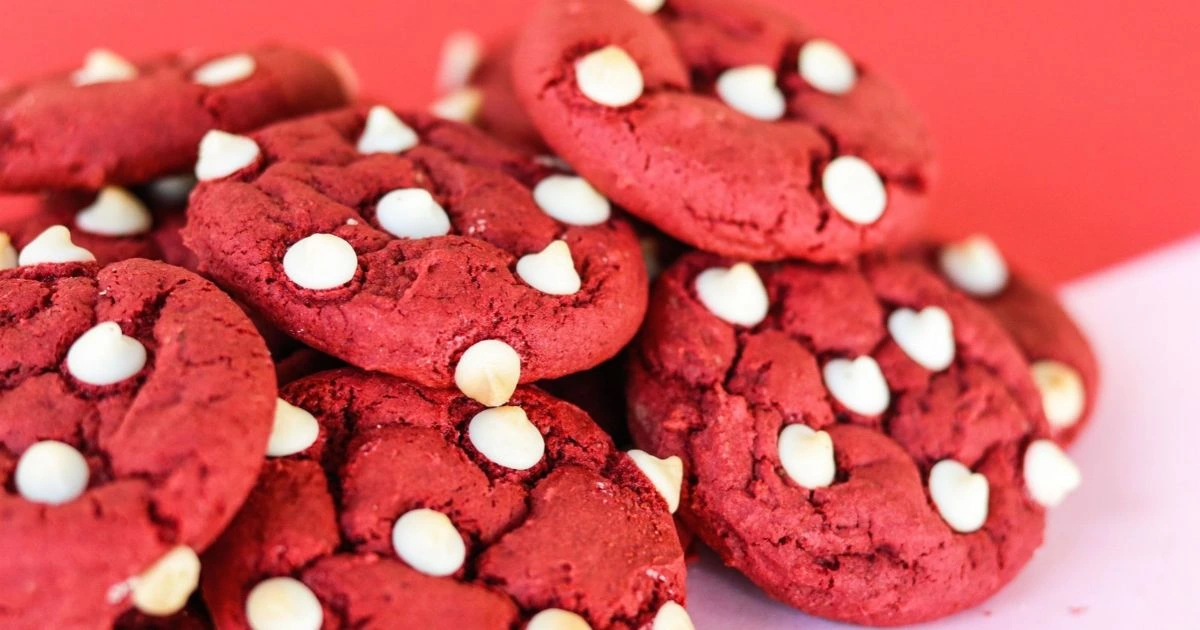
Spice cake, red velvet, and dark chocolate mixes are the heavy hitters here. They provide deep, complex colors and aromas that feel expensive and traditional. When you pull a tray of deep red cookies out of the oven, no one is going to ask if it came from a box. They are going to ask for the recipe. It is about using the mix as a canvas for seasonal flair.
Festive Red Velvet Crinkle Cookies
The Red Velvet Crinkle is a visual masterpiece. You take a red velvet mix, roll the dough balls in a heavy coating of powdered sugar, and bake. As the cookies expand, the sugar cracks, revealing the vibrant red interior. It looks like snow-dusted earth and tastes like a mild, cocoa-infused dream. Use the Triple-Threat Base for these, but add a teaspoon of lemon juice to brighten the red hue.
Holiday Spice Cookies with Eggnog Glaze
Spice cake mix is often overlooked, but it is the MVP of the winter months. It is already loaded with cinnamon, nutmeg, and cloves. Once baked into cookies, top them with a quick glaze made from powdered sugar and a tablespoon of eggnog. The creaminess of the nog against the bite of the spices creates a high-end flavor profile that tastes like you spent hours roasting and grinding your own spices.
However, even the easiest recipes have a few traps you need to avoid.
What Are the Secrets to Baking Perfect Cake Cookies?
The most common complaint I hear about this method is that the cookies came out “too dry” or “spread too much.” These aren’t failures of the recipe. They are failures of timing and temperature. Because these cookies have a higher sugar content than traditional doughs, they caramelize and set much faster. If you treat them like a standard oatmeal cookie, you will over-bake them every single time.
You have to learn to trust the “Carry-Over Cook.” The cookies will continue to firm up on the hot baking sheet for several minutes after you pull them out of the oven. If they look done while they are still in the oven, they are already over-baked. You want to see the edges just barely set while the centers still look a bit soft and matte. Trust the process, and you will be rewarded with that elusive gooey center.
Avoiding Common Over-Baking Mistakes
Set your timer for two minutes less than the recipe suggests. When the bell rings, look for “The Matte Finish.” If the tops of the cookies are still shiny, they need another minute or two. If the shine has disappeared and the edges are starting to show the faintest hint of brown, pull them immediately. This is the difference between a soft cookie and a sweet cracker.
The Importance of Room Temperature Ingredients
Do not pull your eggs straight from the fridge and drop them into the mix. Cold eggs cause the fats in the oil or butter to seize, resulting in a lumpy dough that won’t emulsify properly. This leads to uneven spreading and a greasy texture. Place your eggs in a bowl of warm water for five minutes before you begin. This small step ensures a smooth, silky dough that bakes into a uniform, professional-looking treat.
Now that you have a mountain of cookies, you need to make sure they stay fresh.
How Should You Store Cake Mix Cookies for Freshness?
Because these cookies start off so soft, they are prone to drying out if left on the counter. The sugar in the cake mix is hygroscopic, meaning it wants to pull moisture from the air, but it also gives it up easily. Proper storage is the difference between a three-day shelf life and a seven-day shelf life. If you are planning for a big event, you need a strategy that preserves that “just-baked” crumb.
The good news is that these cookies are incredibly hardy. They handle temperature shifts better than butter-heavy shortbreads, making them the perfect candidate for shipping to relatives or packing in school lunches. You just need to respect the air-tight seal. Once they are cool, get them into a container immediately. Do not let them sit out overnight, or the air will turn them into stones.
Freezing Dough vs. Freezing Baked Cookies
If you want the best possible experience, freeze the dough. Roll the dough into balls, freeze them on a tray, and then toss them into a freezer bag. You can bake them straight from frozen, just add two minutes to the bake time. If you choose to freeze already baked cookies, wrap them individually in plastic wrap before putting them in a container. This prevents freezer burn and keeps the moisture locked inside the crumb.
Keeping Cookies Soft in an Airtight Container
Here is the Bread-Slice Hack: if you notice your cookies are starting to firm up, drop a single slice of plain white bread into the container. The cookies will literally suck the moisture out of the bread, becoming soft again within a few hours. It sounds like kitchen voodoo, but it works every time. Just make sure to change the bread every two days so it doesn’t get moldy.
Frequently Asked Questions
Why are my cake mix cookies so flat?
Flat cookies usually happen because the dough was too warm when it hit the oven or the baking sheet was still hot from a previous batch. Always use a room-temperature cookie sheet and consider chilling your dough for 20 minutes to help the cookies hold their height. Also, ensure you aren’t over-beating the eggs, which can incorporate too much air that eventually collapses.
Can I use melted butter instead of oil?
Yes, and many bakers prefer it for the added flavor. Use the same half-cup measurement of melted butter as you would oil. Keep in mind that butter contains water, which might make the dough slightly softer, so a brief chill in the refrigerator is highly recommended before scooping to ensure they don’t spread too much.
Do I need to follow the instructions on the back of the cake box?
Absolutely not. If you follow the box instructions, you will end up with cake batter, not cookie dough. Ignore the water and oil amounts listed on the box and stick to the cake cookie recipe ratios of two eggs and a half-cup of fat. The goal is to create a thick, scoopable dough rather than a pourable liquid.
How many cookies does one box of mix make?
A standard 15-ounce box will typically yield about 24 to 30 medium-sized cookies. If you use a small cookie scoop, you can stretch that to 36. Because these cookies tend to be rich and flavorful, a medium size is usually perfect for a single serving without being overwhelming.
Can I make these gluten-free?
Yes, you can swap a standard mix for a gluten-free cake mix using the exact same ratios. Gluten-free mixes often require a few extra minutes of resting time for the rice flour to hydrate, so let the dough sit for 10 minutes before baking to avoid a gritty texture. The results are surprisingly similar to the original version.
Why did my cookies come out cakey instead of chewy?
If your cookies feel more like little round cakes, you likely used extra-large eggs or added a splash of water. To get that chewy, dense texture, keep your liquids to a minimum. You can also try replacing one of the whole eggs with just an egg yolk to increase the fat content and decrease the moisture for a fudgier result.
Start Your Baking Session Today
Turns out a great cookie was never really about the complexity of the ingredients or the hours spent at the stand mixer. It was about the clever use of a pre-balanced base to achieve a texture that most from-scratch recipes struggle to hit. Whether you are leaning into the simplicity of a yellow mix or getting fancy with a red velvet crinkle, the goal is the same: maximum joy with minimum friction. You now have the ratios, the temperature tricks, and the storage hacks to turn a five-dollar box of mix into a gourmet platter. There is no reason to wait for a special occasion when the perfect batch is less than twenty minutes away. Grab a bowl, pick your favorite flavor, and see just how easy it is to become the best baker in the neighborhood. Share your creations with your friends or tag your favorite baking community, because once you master this shortcut, you will never go back to the old way again.
Put the whisk down.