Easy Applesauce Cake Recipe for Moist Results In 2026
Table of Contents
You know that feeling when you have three jars of applesauce in the pantry and absolutely no desire to spend two hours hovering over a stand mixer? We have all been there. You want something that tastes like a cozy Sunday afternoon but requires the effort of a Tuesday morning. That is where a reliable easy applesauce cake recipe saves the day. It is the kind of bake that relies on pantry staples and forgiving ratios, delivering a result so tender it practically melts before you can grab a fork.
The beauty of this dessert lies in its lack of pretension. You do not need to be a pastry chef or own a high-end kitchen setup to get this right. Whether you are looking for a quick after-school snack or a rustic centerpiece for a dinner party, using fruit puree as a moisture anchor ensures your cake stays fresh for days. Let us break down how to master this simple treat without the stress of traditional baking.
What Makes an Easy Applesauce Cake Recipe So Popular?
An easy applesauce cake recipe is popular because it delivers a dense, pudding-like moisture that oil-based or butter-based cakes often struggle to maintain over time. It appeals to both nostalgia and practicality, offering a warm spice profile that reminds many of traditional home cooking while requiring only one bowl for preparation.
There is a specific kind of magic in a recipe that tastes better the day after it is baked. The moisture from the fruit continues to hydrate the flour, making the crumb even more tender as it sits. It is a humble cake, but its reliability makes it a staple in kitchens where time is short but the craving for a homemade treat is high.
Achieving Perfect Moisture Levels
The secret weapon in this bake is pectin. Found naturally in apples, pectin acts as a structural stabilizer that holds onto water molecules during the baking process. When you use an applesauce cake base, you are essentially creating a moisture trap. Unlike fat, which can sometimes feel heavy or greasy, fruit puree provides a “clean” moisture that leaves the cake feeling light yet incredibly soft. In many cases, you can actually reduce the total amount of oil or butter because the sauce does the heavy lifting for the crumb texture.
Simplicity for Beginner Bakers
If you can stir a spoon, you can make this cake. Most versions of this dessert are “dump and stir” recipes. You do not have to worry about the delicate process of creaming butter and sugar until they are aerated, nor do you need to fold in egg whites with the precision of a surgeon. According to recent home baking trends reported by The Cafe Sucre Farine, one-bowl methods are the most searched for because they minimize cleanup and margin for error. This accessibility makes it the perfect entry point for kids or anyone who feels intimidated by a standard layer cake.
How Do You Bake an Applesauce Cake with Cake Mix?
To bake an applesauce cake with cake mix, you replace the water and part of the oil called for on the box with equal parts applesauce. Typically, adding one cup of sauce to a standard 15.25-ounce spice or yellow cake mix creates a significantly richer, more homemade texture without requiring additional spices or flour measurements.
Using a shortcut method does not mean you are sacrificing quality. In fact, for many busy families, the applesauce cake with cake mix approach is the preferred way to get a consistent result every time. The boxed mix provides the leavening and base structure, while the sauce adds that distinct, old-fashioned weight that boxed mixes usually lack.
Selecting the Best Boxed Mix Base
Your choice of base determines the final personality of the dessert. A spice cake mix is the most natural partner, as it already contains the cinnamon and ginger notes that complement apples. However, a yellow cake mix offers a neutral, buttery canvas if you want the apple flavor to be the star. White cake mixes are less common for this specific recipe because they lack the egg yolks that provide richness, but they can work if you are looking for a very light, bright fruit flavor. Most bakers find that the yellow mix provides the best “middle ground” for a classic taste.
Adjusting Liquid Ratios for Boxed Mixes
The biggest mistake people make with a cake recipe using applesauce is adding the sauce on top of the existing liquid requirements. Think of the sauce as a liquid replacement, not an addition. If the box calls for one cup of water, use one cup of applesauce instead. You should still keep the eggs as directed to ensure the cake has enough structure to rise. If you want a truly decadent result, keep half of the oil requested but swap the other half for even more sauce. This 50/50 split between fat and fruit puree is the “sweet spot” for a moist but not soggy crumb.
What Are the Essential Ingredients for a Cake Recipe Using Applesauce?
Before you start preheating, you need to check your pantry for the basics. A standard easy applesauce cake relies on flour, sugar, leavening agents, and a fat source. But the quality of your spices and the type of sauce you choose will be the true differentiators. Since this is a simple recipe, each ingredient has more room to shine, so choosing the right versions of these staples matters more than you might think.
Choosing Between Sweetened and Unsweetened Applesauce
This choice is the most important variable in your bake. Unsweetened applesauce is generally the professional choice because it gives you total control over the flavor profile. If you use sweetened sauce, you are adding roughly 15 grams of extra sugar per cup, which can make the cake overly brown or even sticky. If all you have is the sweetened version, simply reduce the granulated sugar in your recipe by about two tablespoons to compensate. This keeps the sweetness balanced and prevents the edges from caramelizing too quickly in the oven.
Selecting Complementary Spices
Apple flavor is relatively mild once it is baked, so it needs a supporting cast of spices to really pop. Cinnamon is the non-negotiable leader here, providing that familiar warmth. Nutmeg adds a slightly nutty, earthy depth, while a pinch of ground cloves or allspice provides a sharp finish that cuts through the sweetness. A good rule of thumb is to use two teaspoons of cinnamon for every half-teaspoon of the stronger spices. This ensures the cake tastes like a cohesive autumn treat rather than a spice cabinet explosion.
Is It Better to Use Homemade or Store-Bought Applesauce?
The debate between homemade and store-bought comes down to texture versus consistency. Store-bought sauce is engineered to have a specific moisture content, which makes it very reliable for baking. Homemade sauce, however, often contains more pectin and a more robust flavor because you are likely using a variety of apples. If you have the time, making a quick batch of sauce can elevate the cake, but the convenience of a jar is hard to beat when you are looking for an easy applesauce cake solution.
Texture Differences in Chunky vs Smooth Sauces
Do you want a refined, elegant crumb or a rustic, chunky bite? Smooth purees blend seamlessly into the batter, creating a uniform texture that mimics a standard spice cake. Chunky sauce, often labeled as “crushed” apples, adds small pockets of fruit that soften during baking. These little bursts of apple are delightful in a snack cake or a loaf, but they can make a layer cake difficult to slice cleanly. If you are using a chunky variety, consider giving it a quick pulse in the blender if you want a smoother finish.
Managing Acidity and Leavening
Apples are naturally acidic, which is a massive benefit for your bake. When this acidity hits baking soda, it creates a chemical reaction that produces carbon dioxide bubbles, helping the cake rise. This is why many applesauce recipes call for baking soda instead of (or in addition to) baking powder. If your sauce is particularly tart, like one made from Granny Smith apples, you might notice a slightly higher rise. It is a built-in leavening booster that ensures your cake stays airy despite the weight of the fruit puree.
What to Make With Applesauce Besides Standard Cake?
If you find yourself with an abundance of sauce, don’t stop at just one cake. There are endless options for what to make with applesauce that go beyond the typical dessert square. Because it is essentially a flavorful, shelf-stable fruit fat, it can be plugged into dozens of different bakes to improve their shelf life and nutritional profile.
Creating Healthy Applesauce Muffins
You can take the same logic of the cake batter and shift it toward breakfast. By swapping out all-purpose flour for whole wheat or oat flour and reducing the sugar, you can create muffins that are dense and filling. The applesauce keeps the whole grains from tasting dry or “sawdusty,” which is a common complaint with healthier bakes. Add a handful of raisins or some flax seeds, and you have a portable breakfast that stays moist for a full work week.
Applesauce as an Egg Substitute in Other Bakes
For those exploring plant-based diets or dealing with an empty egg carton, applesauce is a legendary substitute. The standard conversion is 1/4 cup of unsweetened applesauce for one large egg. This works best in dense bakes like brownies, quick breads, or cookies. Keep in mind that while it provides moisture and binding, it won’t provide the same lift as an egg, so you might want to add an extra half-teaspoon of baking powder to the mix to help things along.
How Can You Customize Your Applesauce Cake?
Once you have the basic easy applesauce cake recipe down, it becomes a template for your own creativity. The base is sturdy enough to handle a variety of mix-ins and toppings without collapsing. Customizing the cake is the difference between a simple pantry bake and a “gourmet” dessert that people ask for by name.
Adding Crunchy Textures with Nuts
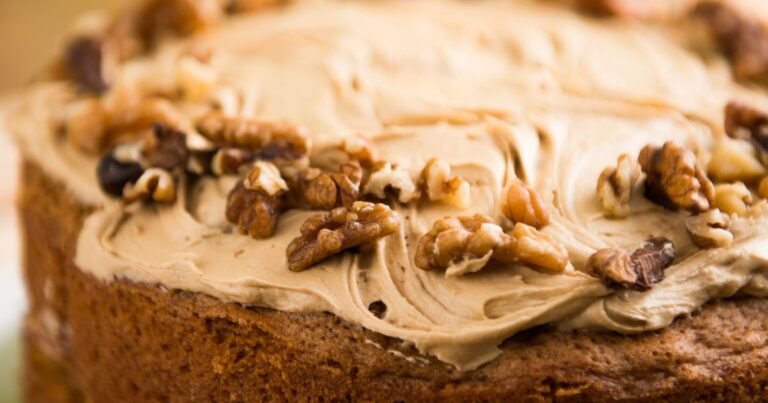
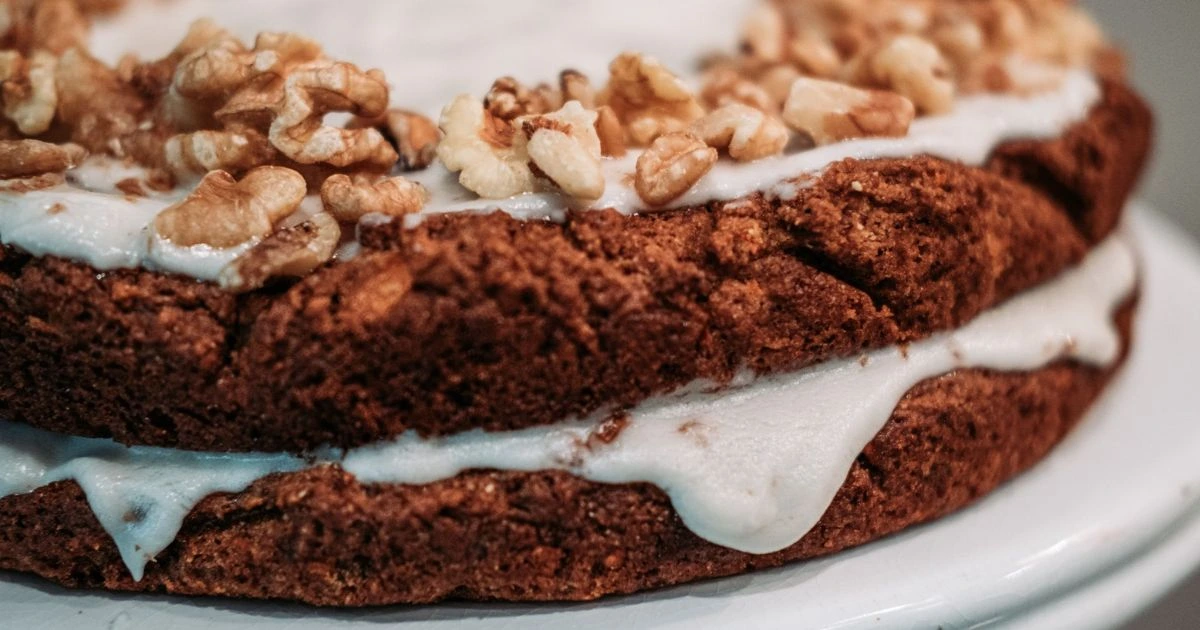
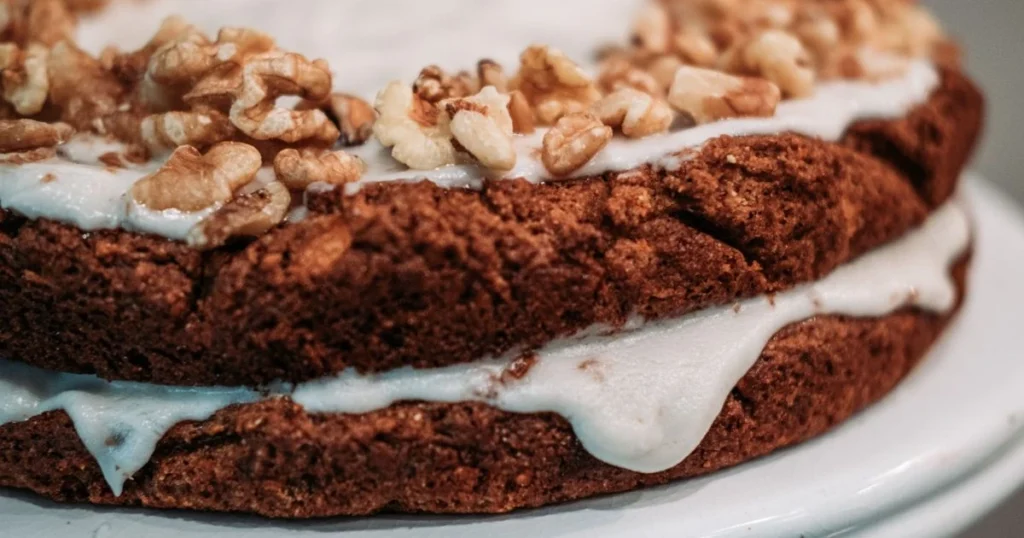
Because the crumb of an applesauce cake is so soft, adding a crunch factor is a pro move. Toasted walnuts are the classic choice, offering a slightly bitter contrast to the sweet apple. Pecans are another excellent option, especially if you lean into the maple or brown sugar notes of the recipe. For the best results, toss your chopped nuts in a tiny bit of flour before folding them into the batter. This prevents them from sinking to the bottom of the pan during the bake.
Glazing and Frosting Options
You have two main paths here: the “light and simple” or the “rich and decadent.” A simple dusting of powdered sugar and cinnamon is all you need for a casual snack. However, if you want to turn this into a proper celebration cake, a tangy cream cheese frosting is the gold standard. The acidity of the cheese cuts through the warm spices perfectly. For something in the middle, try a brown butter glaze. Simply melt butter until it browns, whisk in powdered sugar and a splash of milk, and pour it over the warm cake for a caramel-like finish.
Common Mistakes to Avoid When Baking with Fruit Purees
Baking with fruit purees is generally easy, but it does introduce a few variables that can trip up even experienced bakers. The high moisture content is both a blessing and a curse. If you do not account for the weight of the sauce, you can end up with a dessert that is more like a brick than a sponge. Understanding the “why” behind these failures is the best way to prevent them.
Preventing a Gummy or Dense Texture
The number one enemy of a moist cake is over-mixing. When you add liquid to flour, gluten begins to develop. In a standard cake, you want just enough gluten to hold things together. But because applesauce is heavy, over-mixing leads to a rubbery, gummy texture that feels undercooked even when it isn’t. Stop stirring the moment you no longer see streaks of dry flour. A few small lumps are perfectly fine and will disappear in the heat of the oven.
Ensuring the Center is Fully Baked
Applesauce cakes are notorious for “lying” to you. The outside might look golden brown and beautiful, but the center can remain raw because of the dense moisture. Always use a wooden skewer or a toothpick to check the very center of the cake. It should come out clean or with just a few moist crumbs. If the top is browning too fast but the middle is still shaky, tent the pan with a piece of aluminum foil and lower the oven temperature by 25 degrees for the final ten minutes of baking. This allows the heat to penetrate the core without burning the crust.
Frequently Asked Questions
Can I use applesauce to replace oil in any cake recipe?
Yes, you can generally replace oil with applesauce in a 1:1 ratio. However, for the best texture, many bakers recommend replacing only half of the oil with sauce. This preserves the “mouthfeel” that fat provides while still reducing calories and increasing moisture.
Why did my applesauce cake sink in the middle?
A cake usually sinks in the middle if there is too much moisture or not enough leavening to support the weight of the fruit. It can also happen if you open the oven door too early, causing a sudden temperature drop. Ensure your baking soda is fresh and your measurements are precise.
How long does applesauce cake stay fresh?
Thanks to the high moisture content, this cake stays fresh for 4 to 5 days when stored in an airtight container at room temperature. You can also refrigerate it for up to a week, though this may slightly firm up the crumb. It is one of the few cakes that actually tastes better on day two.
Can I freeze a cake made with applesauce?
Absolutely, this cake freezes beautifully because it doesn’t dry out easily. Wrap the completely cooled cake tightly in plastic wrap and then a layer of foil. It will keep its quality for up to three months. Thaw it at room temperature before serving or adding frosting.
Is unsweetened applesauce better for baking than sweetened?
Unsweetened is preferred because it allows you to control the sugar levels of your recipe. Sweetened sauce adds extra sugar and sometimes high fructose corn syrup, which can affect the browning and final sweetness. If you use sweetened, reduce the other sugars in the recipe by 10 to 15 percent.
What kind of apples make the best sauce for baking?
If you are making homemade sauce for a cake, use a mix of tart and sweet apples like Honeycrisp and Granny Smith. The tartness provides better leavening interaction with baking soda, while the sweet apples provide the classic flavor. Avoid mealy apples like Red Delicious, which can result in a bland sauce.
Bring This Sweet Treat to Your Table Today
At the end of the day, baking should be about the joy of the process and the comfort of the result. An easy applesauce cake recipe proves that you do not need complex techniques or expensive ingredients to create something memorable. It is a testament to the power of simple pantry staples and the timeless appeal of warm cinnamon and soft fruit. By understanding how the moisture in the sauce interacts with your dry ingredients, you can consistently produce a cake that is the envy of the bake sale.
Whether you choose the shortcut of a boxed mix or the slow satisfaction of a from-scratch batter, the result remains the same: a moist, flavorful dessert that brings people to the kitchen. It turns out that the perfect bake was never really about the fancy equipment or the rare ingredients. It was about finding that balance between ease and excellence, tucked away in a simple jar of fruit puree. Now, all that is left is for you to clear a spot on your counter and get the oven started.